What Is Eugenol Oil Used For? Uses by Skin Contact
If you want to know what eugenol oil is good for, here is a sorting rule that does most of the work: the more skin a product touches, the less eugenol it can carry. Perfume, soap, a pillow spray and a candle all count as "fragrance", but their eugenol ceilings run from 0.21% to no numeric limit at all. Sort your project by that, and the right use usually becomes obvious.

What we sell it for
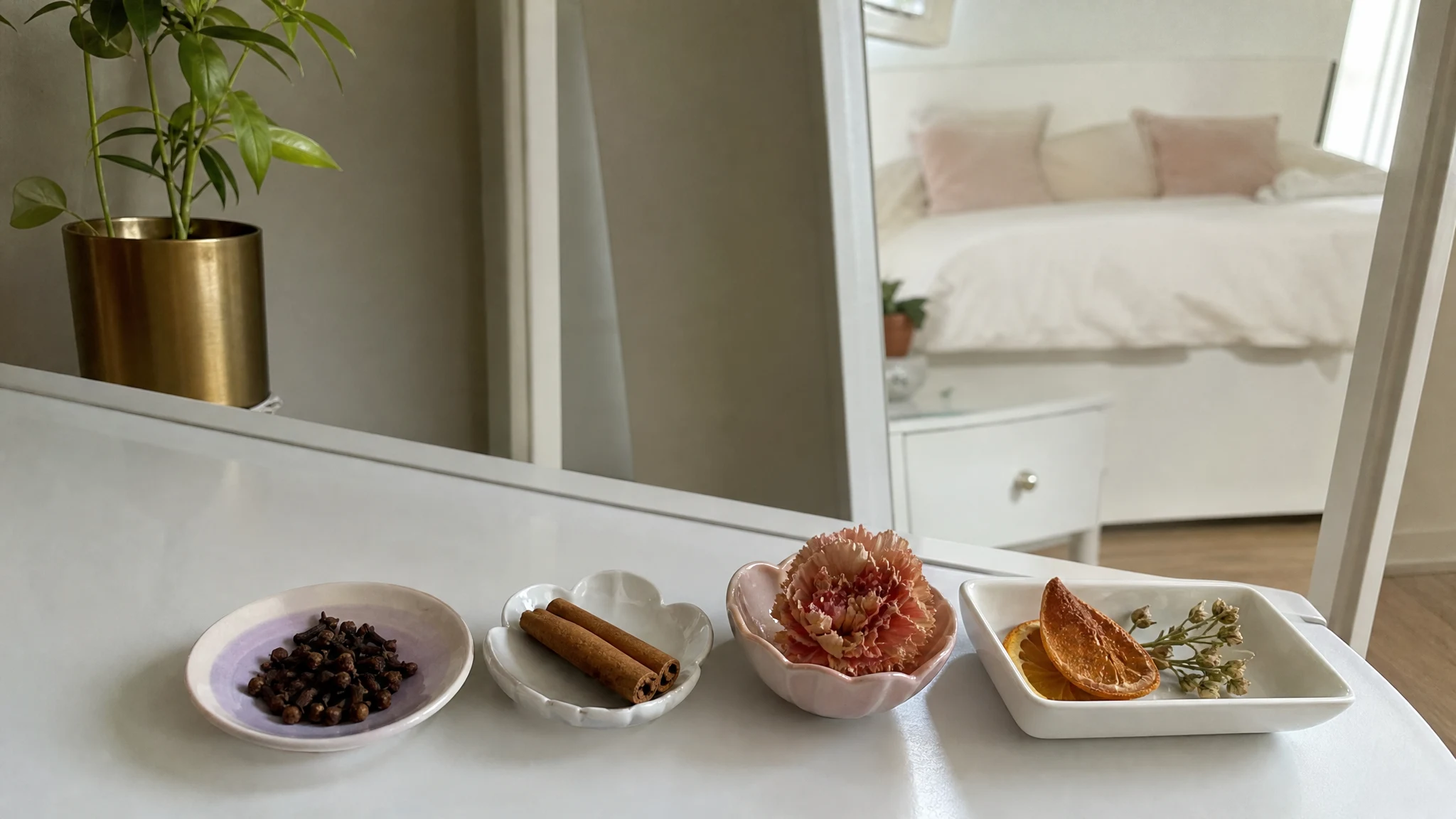
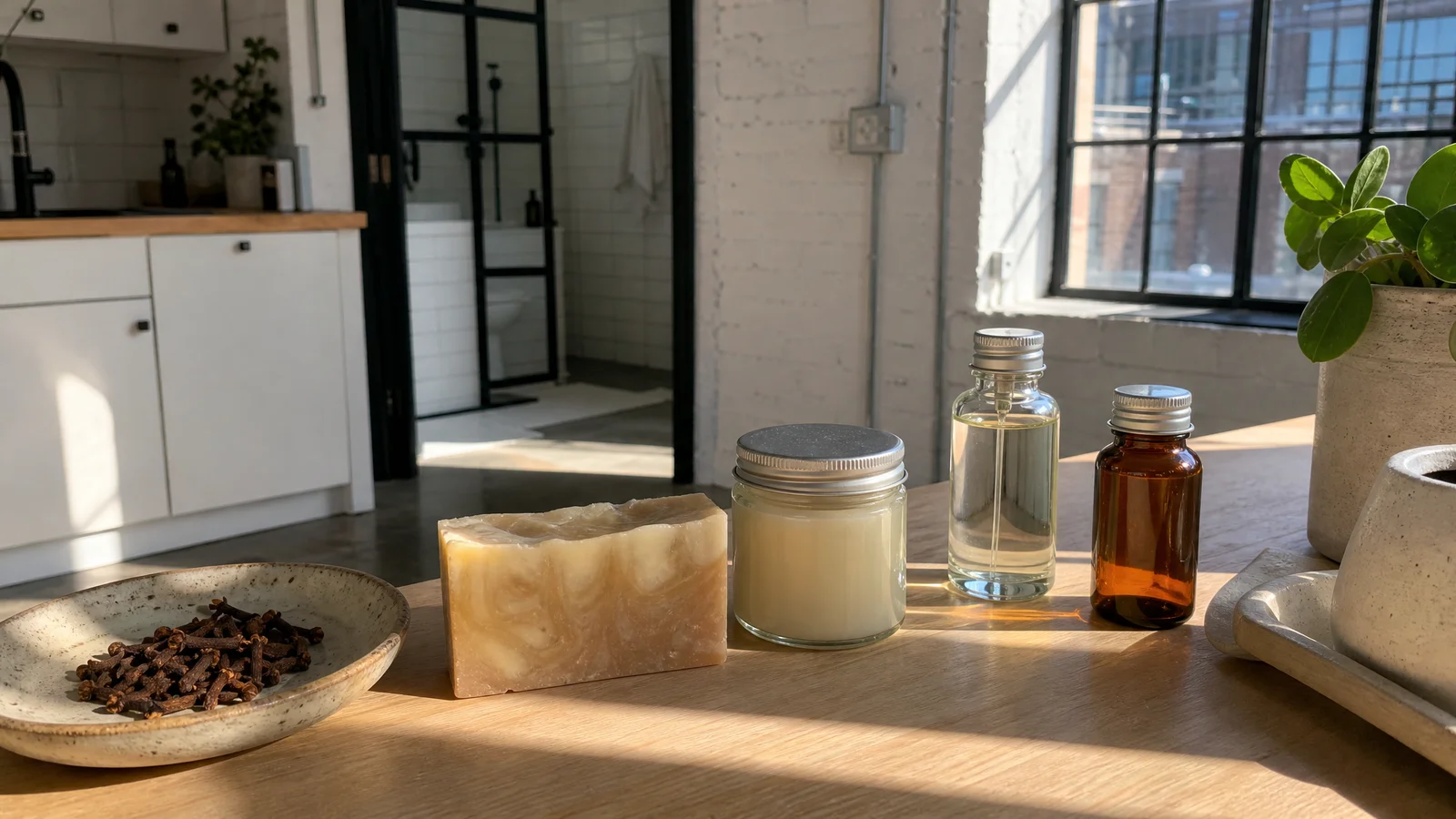
We sell eugenol oil, a refined isolate from clove oil, for fragrance work: perfume accords, small percentages in candle fragrance, spiced soap bars, potpourri refreshers, and reed diffuser and home fragrance blends. Its scent is warm, spicy and carnation-like, sweeter and more focused than whole clove, and it sits in the middle to base of a perfume. It is a raw material for makers, so everything below is about formulating with it.
Where the ceilings sit
The figures are IFRA's maximum eugenol in the finished product, counting every source, from the 51st Amendment (IFRA Standards), with product types assigned to categories by the IFRA guidance (IFRA Guidance). A ceiling is a limit, not a recommended dose.

| Group | Typical products | Eugenol ceiling |
|---|---|---|
| No numeric limit | Candles, incense, fragrancing sachets | No restriction (Category 12) |
| Generous | Bar and liquid soap, bath bombs, shampoo | 4.9% |
| Generous | Reed diffusers, potpourri, fabric sprays | 4.0% |
| Middle | Perfume, solid perfume, aftershave | 2.5% |
| Middle | Hair perfume, dry shampoo | 2.0% |
| Narrow | Body lotion, body oil, hand cream | 0.64% |
| Narrow | Pillow spray, body mist | 0.21% and 0.14% |
Generous room: soap and room scents
Soap, diffusers and potpourri are where eugenol oil has the most space, which is why we have separate guides for spiced soap, reed diffusers and potpourri refreshers. Plenty of room is not the same as no thought. Eugenol is a phenol, and a review in Molecules notes that large quantities used in soaps for their spicy aroma can cause discolouration (Kamatou et al., 2012), so read our cold process soap guide first.
Perfume, in the middle
A perfume can hold up to 2.5% eugenol in the finished product, but that is the total from everything in it. IFRA's annex puts clove bud oil at about 82% eugenol and cinnamon leaf oil at about 74% (IFRA Annex I), so a spicy blend can spend its budget before the isolate goes in. Our solid perfume guide and blend calculation guide show how to count.
Narrow room: anything that stays on skin
A body mist has a ceiling about eighteen times lower than the same fragrance as a perfume (2.5 divided by 0.14). For body oils and lotions the ceiling is 0.64%. Fragrance-industry guidance for leave-on products puts the practical figure closer to half a percent, which is where we would start, and we would leave face and baby products alone entirely. This is where a small bottle of isolate goes a very long way.
Smell before you decide
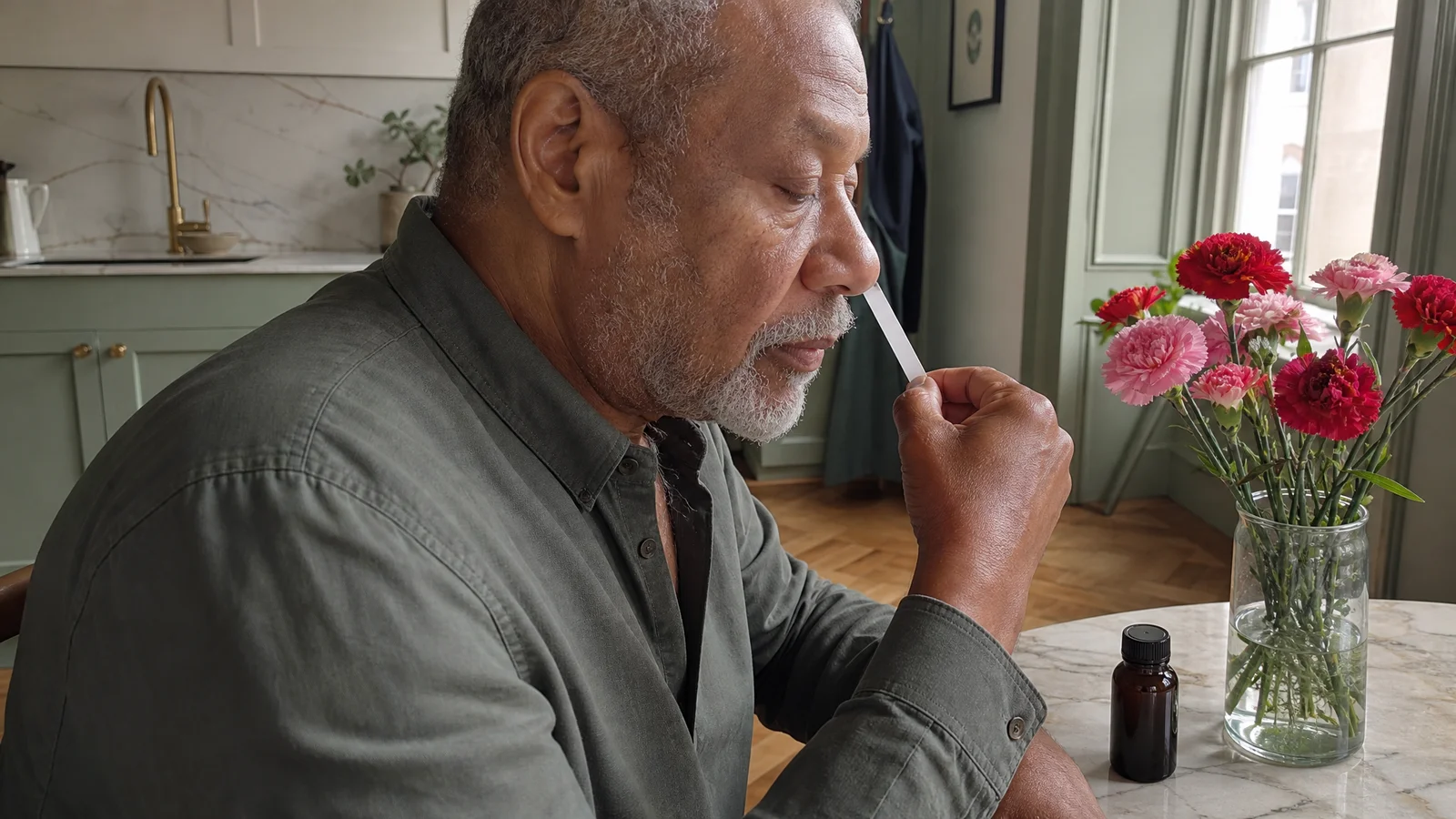
Eugenol is a strong voice, and a little of it goes a long way in how a blend smells. Before you commit to a project, put a drop on a strip, set it beside a few of your usual materials and notice what it does. Does it sweeten a rose? Does it add a warm edge to a vanilla? Writing a line or two about each trial turns scent into a skill you can repeat.
Picking your first project
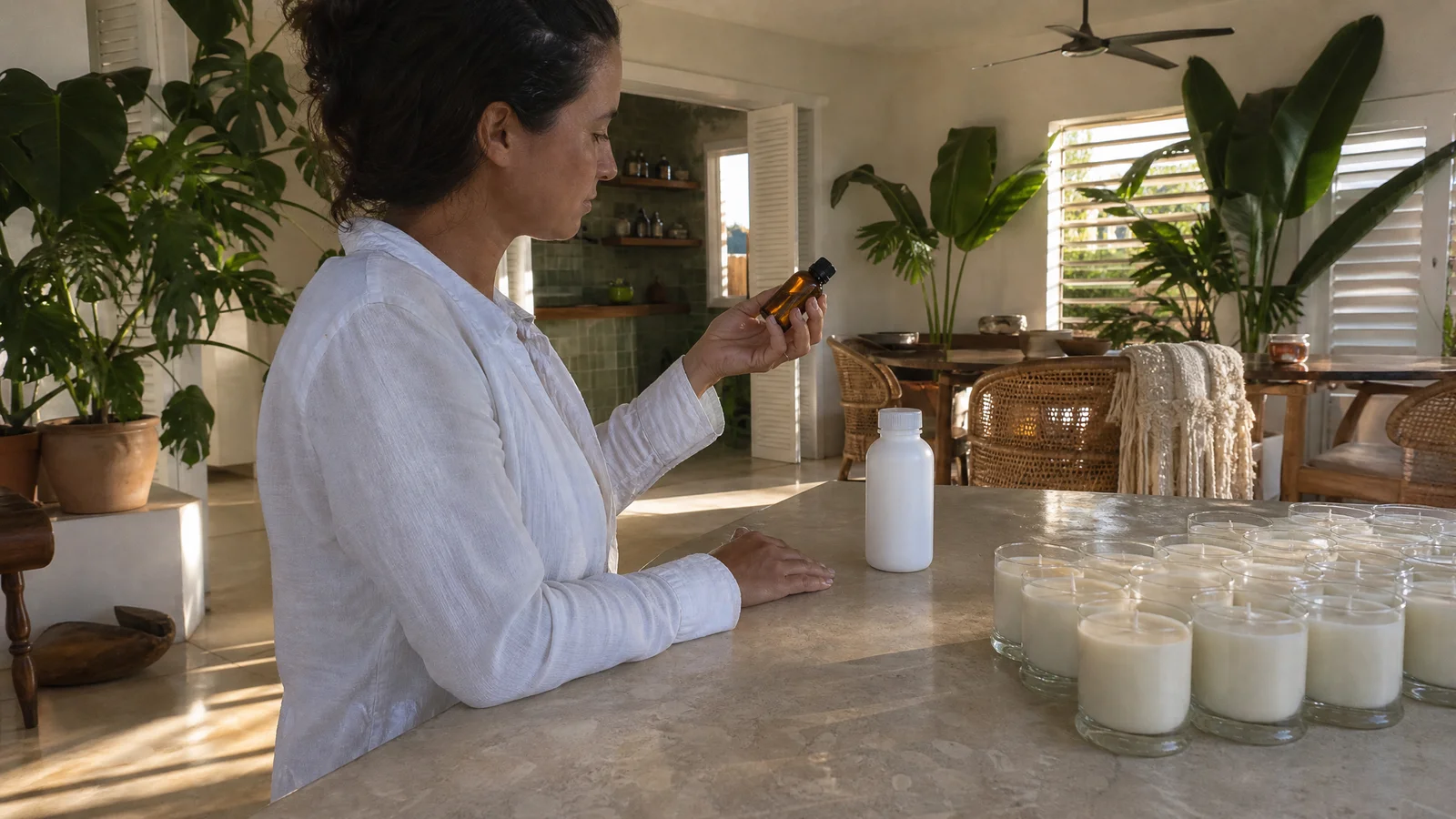
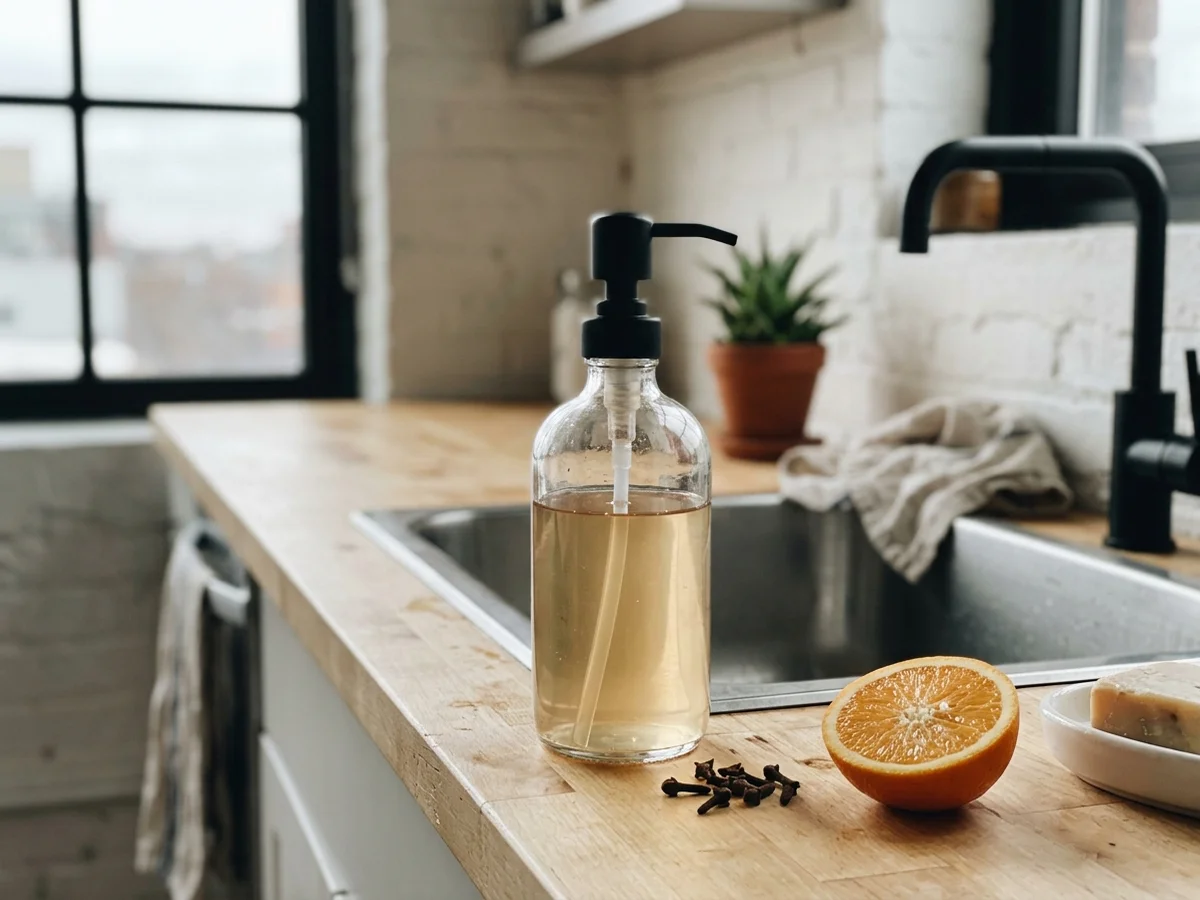
If you are new to the material, we would pick one of the roomier categories: a bar of soap, a reed diffuser, or potpourri that needs freshening. They forgive small slips, and you can judge the result by smell and by eye. Move on to perfume and anything left on skin once you are comfortable weighing small amounts and counting every source of eugenol.
Candles: no limit does not mean no thought
Category 12 is justified in IFRA's guidance by expected negligible skin exposure, so it speaks to skin only. A candle also has a flame, wax and a home around it, which is why we wrote about flash point and candle safety and about pets. Wax melts are not named in the guidance table, so ask a regulatory specialist how to classify them; our wax melt guide explains the question.
Keep notes as you go
Whatever you choose, keep a small notebook by the scale. Write the date, the product, the weights and one honest line about the smell. In a month you will have your own reference, which is worth more than any table of ceilings for deciding what to make next.

What it is not for
We offer eugenol oil for fragrance work only. It is not for internal use, and we do not offer it for dental or therapeutic purposes. Eugenol has a long history in dentistry, but questions about teeth or pain belong with a dentist, and questions about swallowing anything belong with a physician. For pets, ask a veterinarian about your animal.
Eugenol is a recognised contact sensitiser. In a 2023 study of 34 people with eugenol allergy, the lowest positive patch concentration was 0.031% (Ofenloch et al., Contact Dermatitis). Anyone with fragrance allergy should ask a dermatologist or allergist first, and anyone selling a finished product should have a regulatory specialist check its category and label.
Choose the product first, find its ceiling, and let the arithmetic tell you how much of the clove edge it can take.
Sources & Further Reading
- IFRA Standards, 51st Amendment (eugenol)
- IFRA Guidance for the use of IFRA Standards, 51st Amendment
- IFRA Eugenol Standard, Amendment 49, Annex I
- Kamatou, Vermaak, Viljoen, 2012. Eugenol: from the remote Maluku Islands to the international market place. Molecules
- Ofenloch et al., 2023. Allergic reactivity for different dilutions of eugenol. Contact Dermatitis