Clove Fragrance Oil vs Eugenol Oil for Candles
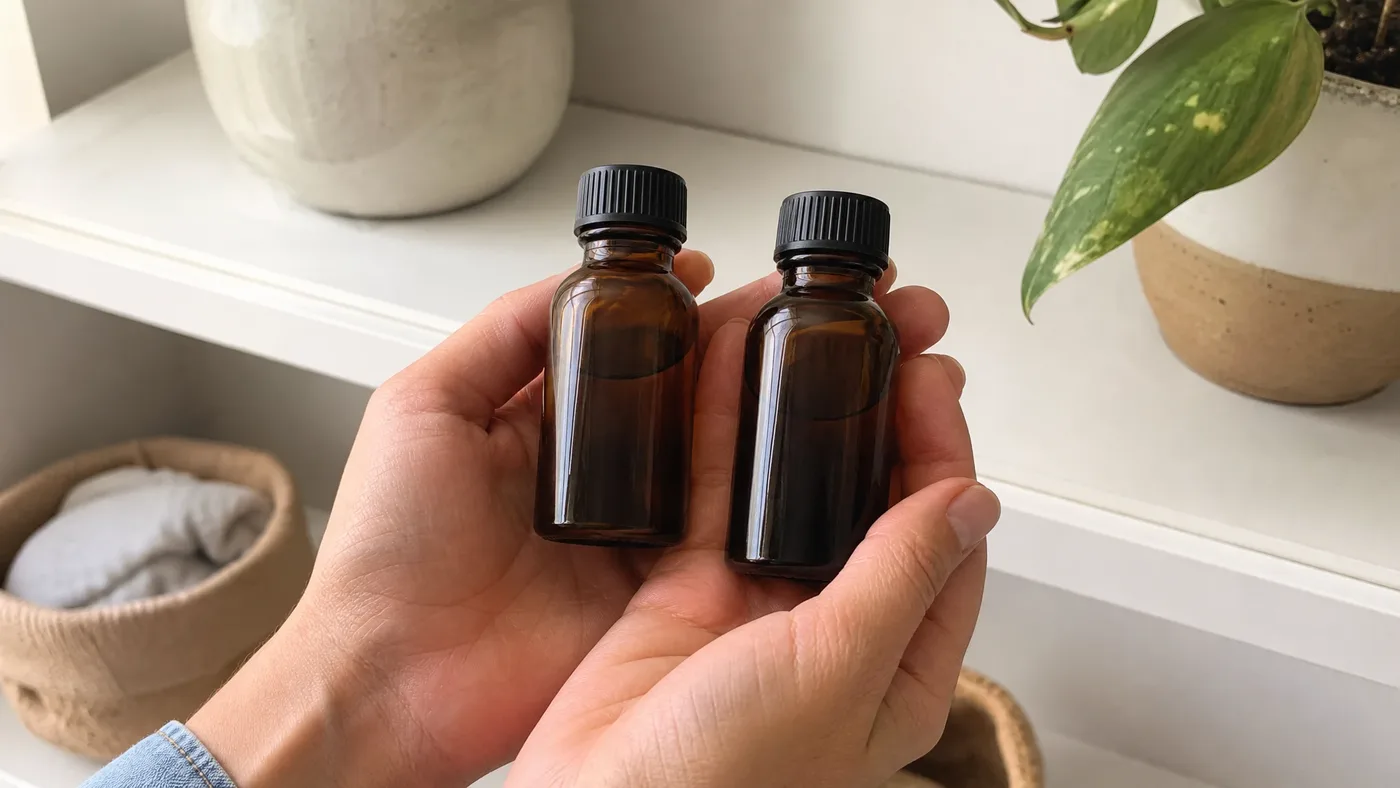
Two bottles, both smelling of clove, and they are very different things to work with. A clove fragrance oil is a composed scent whose recipe you mostly cannot see. Eugenol oil is a single ingredient you would build a scent from. So the useful question for a candle maker is less "which smells better" and more "do I want to buy a finished scent or write one, and who then answers for what is in it?"

What is in each bottle
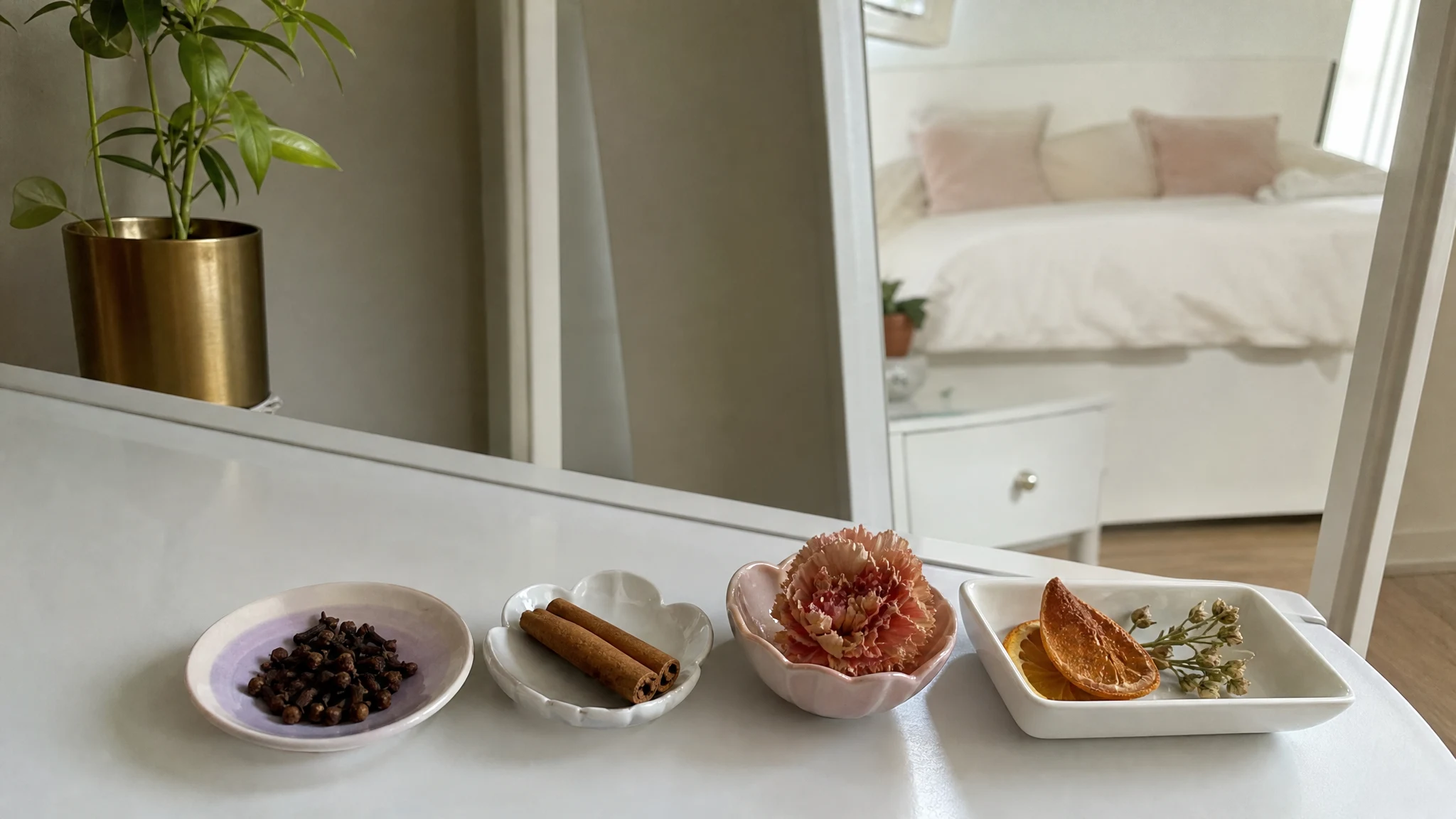
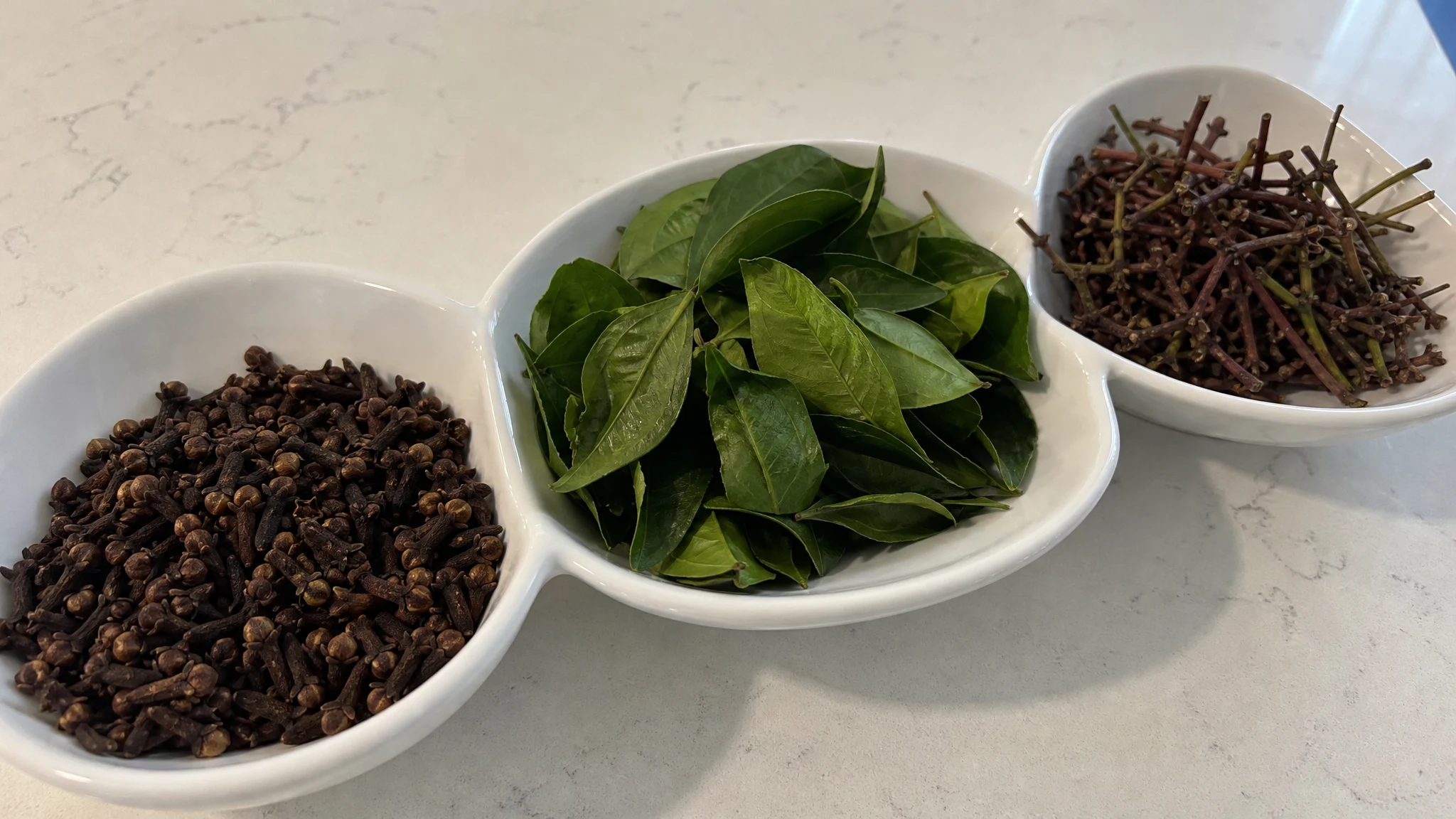
The FDA describes fragrance formulas as complex mixtures of many natural and synthetic ingredients, which can be listed simply as "fragrance". A clove fragrance oil is exactly that: eugenol probably plays a part, alongside things the supplier chooses not to itemise. Eugenol oil, by contrast, is one material. We describe ours as warm, spicy and carnation-like, a middle to base note that builds carnation and Oriental spice accords and deepens rose, ylang ylang and vanilla. That is the character of a building block. On its own it has one voice, so a candle made from eugenol alone would sound like one note, where a fragrance oil is designed to sound like a chord.
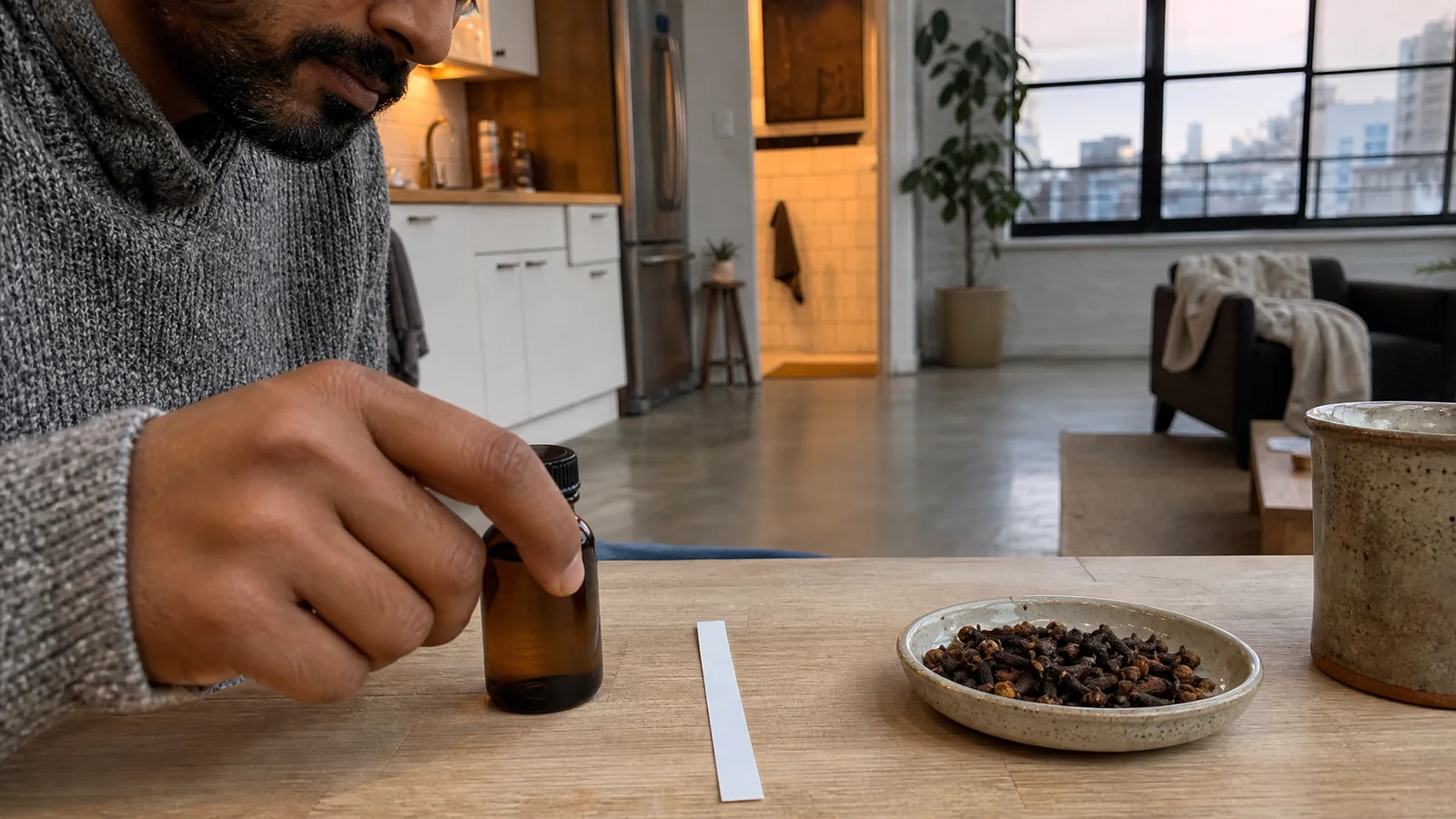
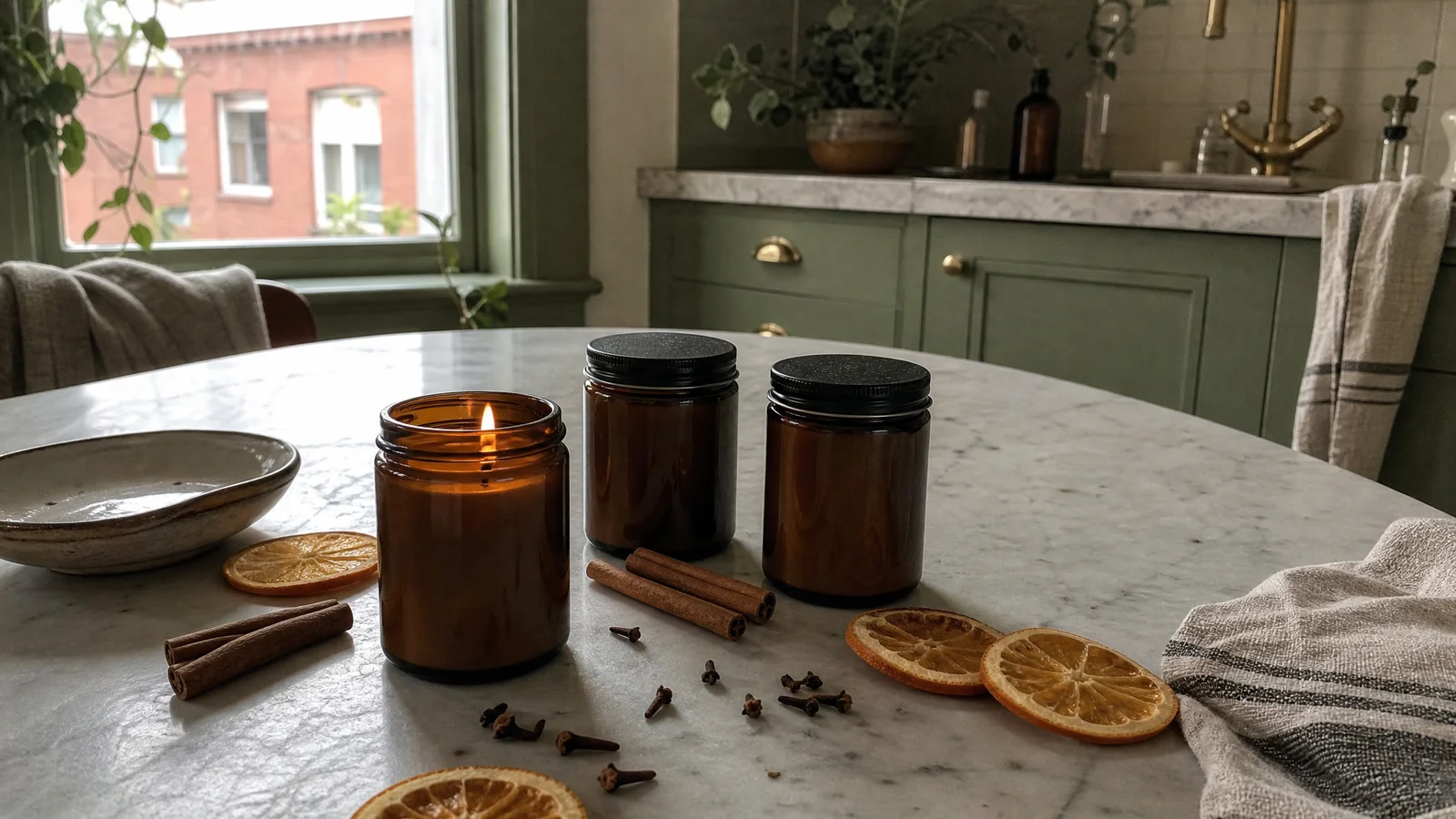
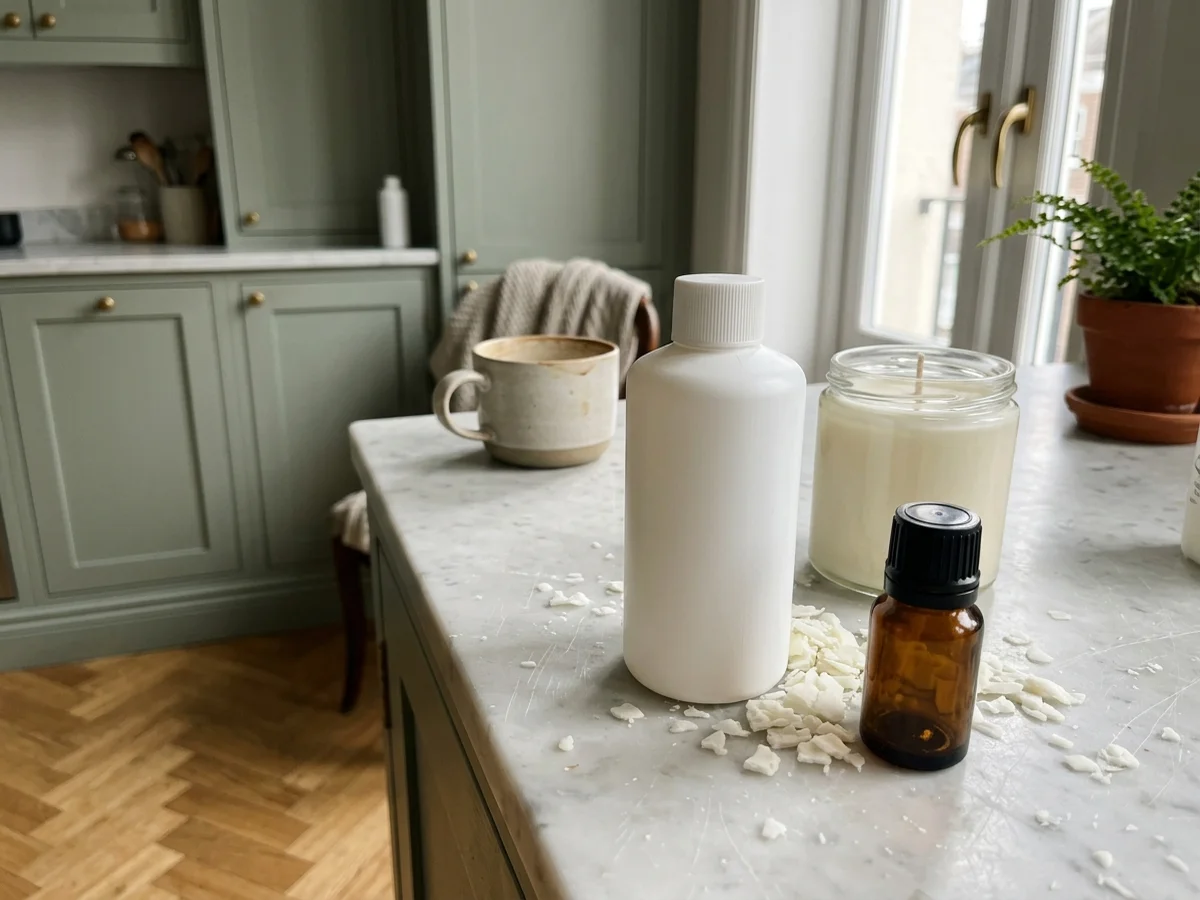
It helps to picture each bottle on your workbench. The fragrance oil is a finished song: open it and the whole tune plays. The eugenol oil is one instrument. Smell it and you will notice a warm, clove-forward spice that wants company, which is why people building their own scent usually reach for rose, ylang ylang or vanilla beside it.
What the paperwork looks like in a candle
IFRA places "candles of all types" in Category 12, on the reasoning that skin exposure is negligible, and the eugenol Standard prints "No restriction" for that category. So IFRA does not cap eugenol in a candle, whichever route you take. That does not mean nothing applies: flash point, hazard labelling of the fragrance, and what happens when the same scent goes into a wax melt, spray or soap all change the picture. The same eugenol is capped at 4.9% in bar soap (Category 9) and 2.5% in fine fragrance (Category 4), so a scent you plan to reuse needs the lowest applicable limit, not the candle's.
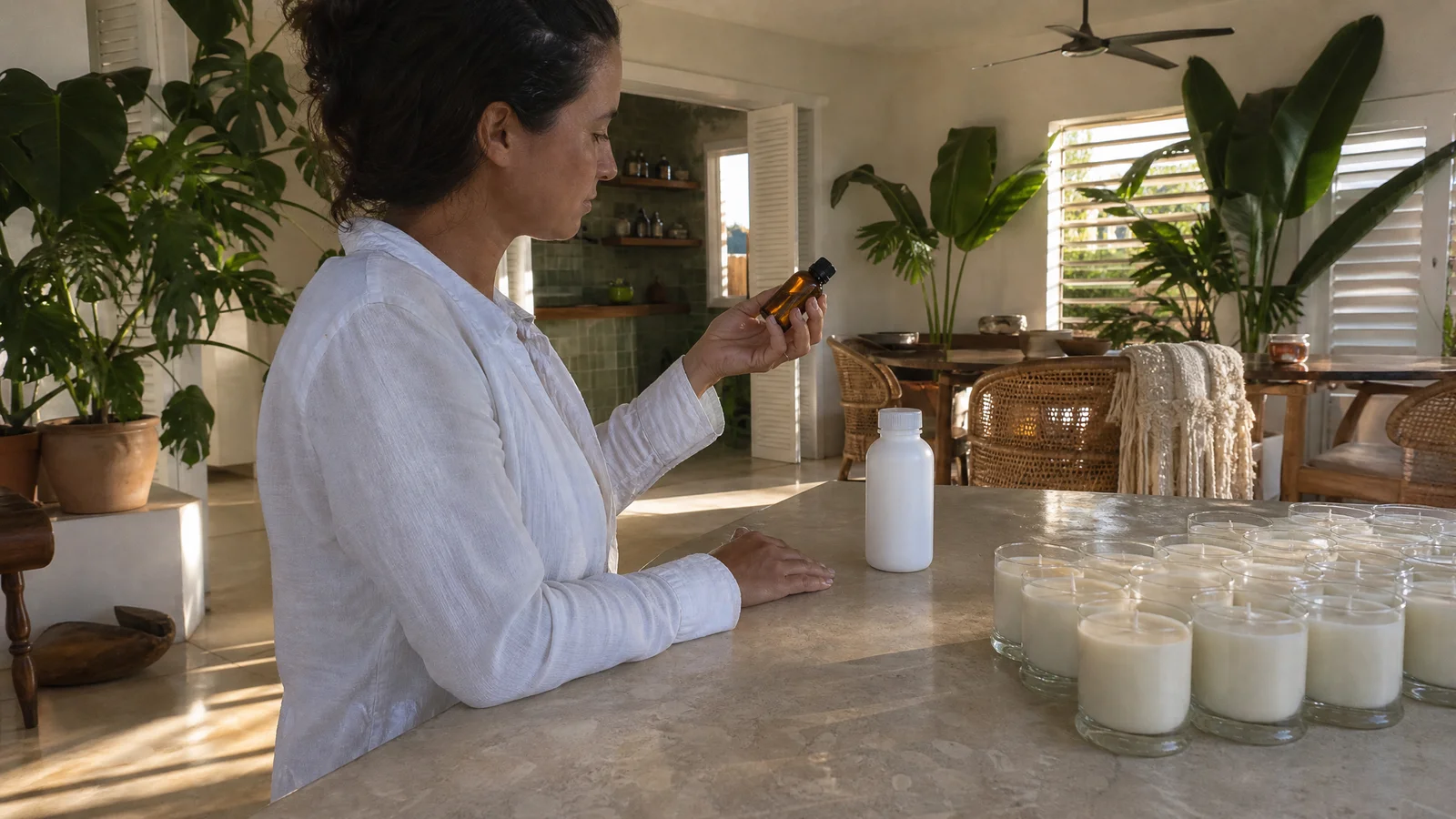
With a fragrance oil, the document to ask for is the IFRA Certificate of Conformity. IFRA's Guidance describes it as established by the fragrance mixture maker on a trusting relationship, naming a specific Amendment and a maximum concentration for a stated product category, and not replacing a safety assessment. Read it for the category and the Amendment number. With eugenol oil you do that arithmetic yourself, and we are happy to talk through your documentation questions via our contact page.
Which one suits which maker
| Your situation | Leans toward | Why |
|---|---|---|
| You want a finished clove or spice scent that already works in wax | A candle-supplier fragrance oil | The supplier states the load for its own scent in a named wax |
| You are writing your own carnation or spice accord | Eugenol oil | One ingredient you can dose to the gram; see the carnation accord article |
| You must document exactly how much eugenol a product holds | Either, with a number for the lot | Ask for an assay or a full allergen declaration; see allergen labelling |
| You sell the same scent as candle, wax melt and soap | Either, with the lowest category limit applied | Category 12 "no restriction" applies only to the candle |
Do not swap by weight
Suppose a clove fragrance oil works for you and you want to replace part of it with eugenol oil. The fragrance oil is diluted composition and eugenol is one component, so equal weights are not equal contributions. Dose by grams of eugenol in the finished product, not grams of oil. If you add eugenol oil on top of a fragrance oil that already contains eugenol, the two stack, and any skin-contact total must include both. Ask the supplier for the eugenol content of the fragrance oil before doing the sum, and keep the lot numbers of both.
Questions for a fragrance-oil supplier
- Is it made for candles, and in which wax was its load stated?
- What flash point does the SDS give in Section 9?
- Does Section 3 list eugenol, at what range, and do clove or cinnamon leaf oils also appear in the scent?
- Which IFRA Amendment and categories does the certificate cover?
- Is the scent the same formula in every size and lot?
OSHA's SDS brief explains why these answers exist: Section 3 names health-hazard ingredients and their concentration, with ranges allowed where batches vary, and suppliers must provide the sheet to downstream users.
Choosing for the kind of maker you are
Some makers love to design and some love to pour. Neither is better. If your pleasure is in the pouring, the labelling and the selling, a finished scent from a candle supplier will save you hours. If your pleasure is the smelling strip and the notebook, writing your own spice blend is the whole point. Be honest about which one you are, and the choice mostly makes itself.
A few practical notes
The wax and the wick come from a candle-supply seller, because we sell neither; our wax comparison and wicking article explain what to check. Eugenol is a recognised skin sensitiser, so gloves matter with the neat material (our handling article has the details). A clove-scented candle or diffuser in a home with animals is a question for a veterinarian. Our eugenol oil is not for internal use, and tooth or mouth questions go to a dentist.
If you want a finished scent today, a candle supplier will have one waiting. If you enjoy designing the scent and are happy to do the arithmetic, eugenol oil is the ingredient for that, and the creative part is all yours.
Sources & Further Reading
- FDA. Fragrances in Cosmetics. fda.gov/cosmetics/fragrances-cosmetics
- OSHA. Hazard Communication Standard: Safety Data Sheets (OSHA 3514 brief). osha.gov/OSHA3514
- IFRA. The complete IFRA Standards, 51st Amendment (eugenol, pp. 103-105). IFRA Standards PDF
- IFRA, 2023. Guidance for the use of IFRA Standards, 51st Amendment. IFRA Guidance PDF