Eugenol in Spiced Candles: Fragrance Load Explained
The first surprise in spiced candle making is that eugenol is not the fragrance load. The load is the share of the whole scent blend in the wax, and your wax sets its ceiling. Eugenol is one voice inside that blend, the warm carnation-clove center that a spiced candle is built around. Getting the proportions right is mostly arithmetic.

What IFRA says, and what it leaves to you
IFRA's guidance places candles of all types in Category 12 because the expected skin exposure is negligible, and the eugenol Standard prints "No restriction" for that category (IFRA Guidance, 51st Amendment, p. 53; IFRA Standards, eugenol pp. 103 to 105). That is a statement about a finished candle on a shelf. The pour, the flash point of your blend, wicking and the open flame are matters for your wax maker's data sheet. Our flash point article covers temperature and our wicking article covers the burn. Eugenol's own closed-cup flash point is listed above 100 C (212 F) in PubChem.
Start from the wax maker's number
For Golden Brands 464 soy container wax, one retailer reproduces the maker's figures: a fragrance load of about 9% at most, a recommended 7% to 9%, a pour around 135 F, fragrance stirred in off the heat, and 48 hours before a test burn (Voyageur Soap and Candle listing). A candle-supply software guide lists the same wax at 10% to 12% and tells readers to check their supplier's sheet (Craftybase). We would trust the wax maker's figure and use the sheet that came with the wax you actually bought. Our wax comparison shows how to read them side by side.
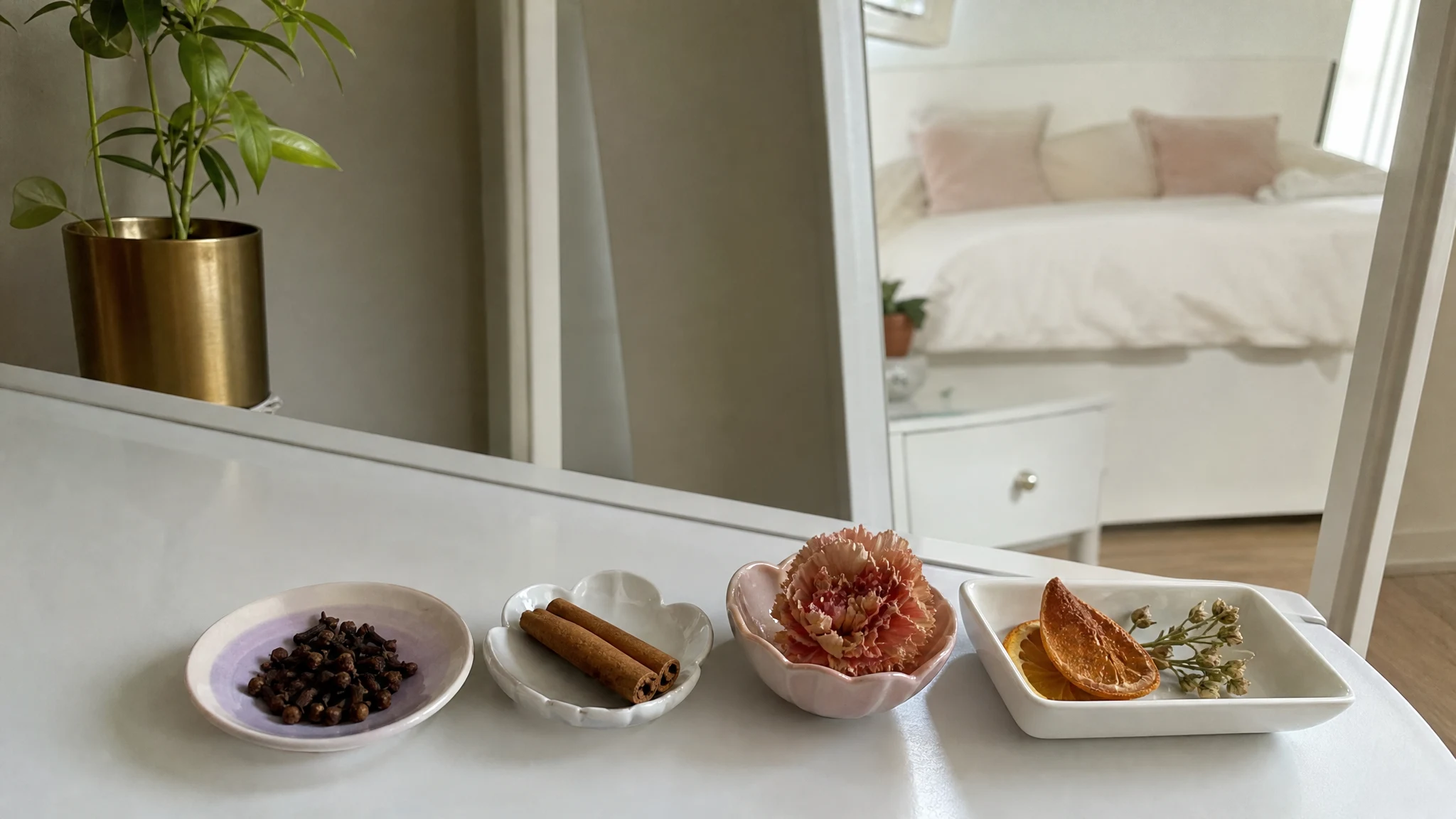
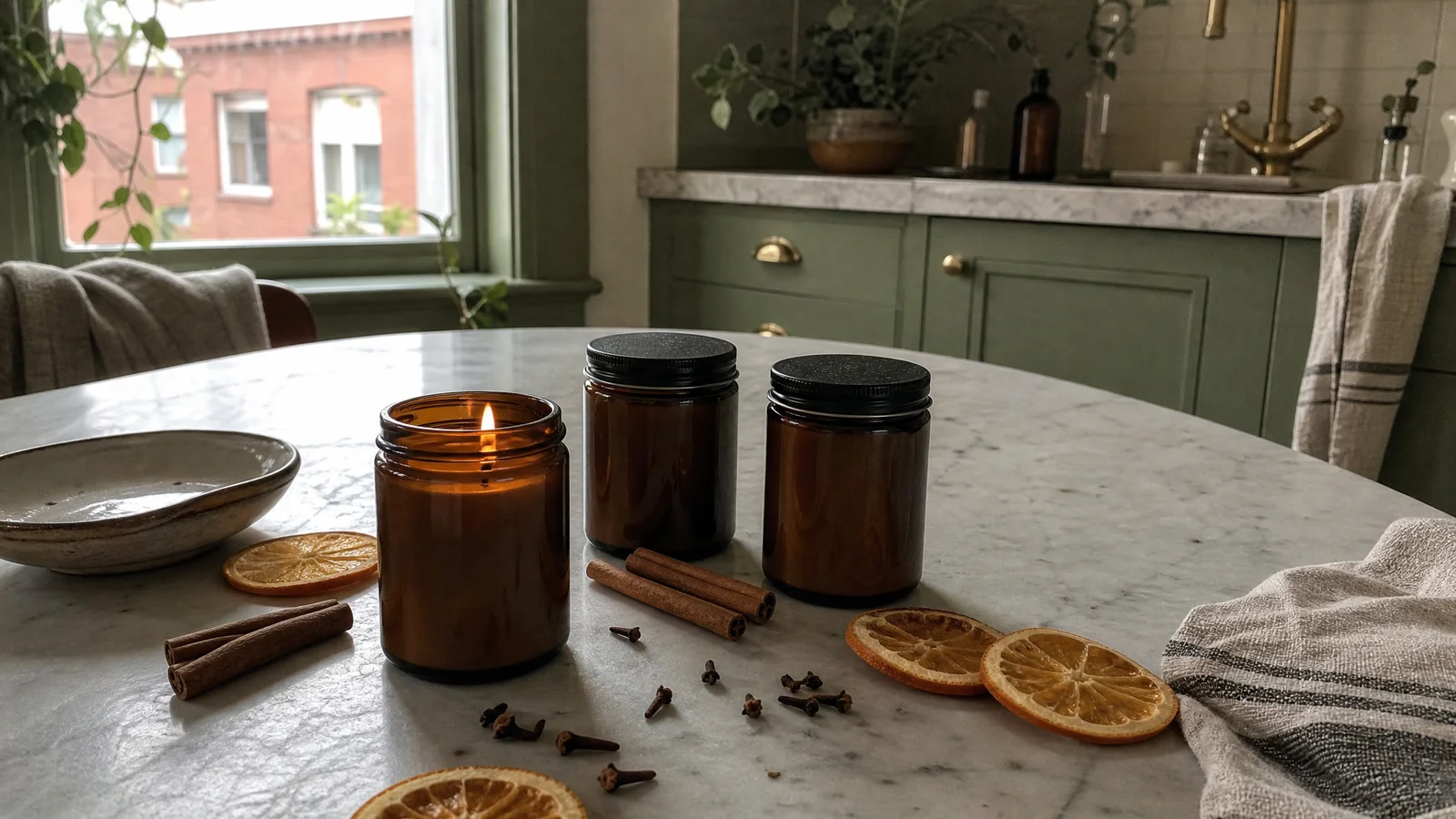
Before the sums, a word on what a spiced candle is meant to feel like. Think of a kitchen in autumn: orange peel, something baking, a warm background of clove. Eugenol is the background, not the whole room. A candle that is only clove can smell like a dentist's cupboard to some noses, so most makers surround it with something sweeter.
The grams, step by step
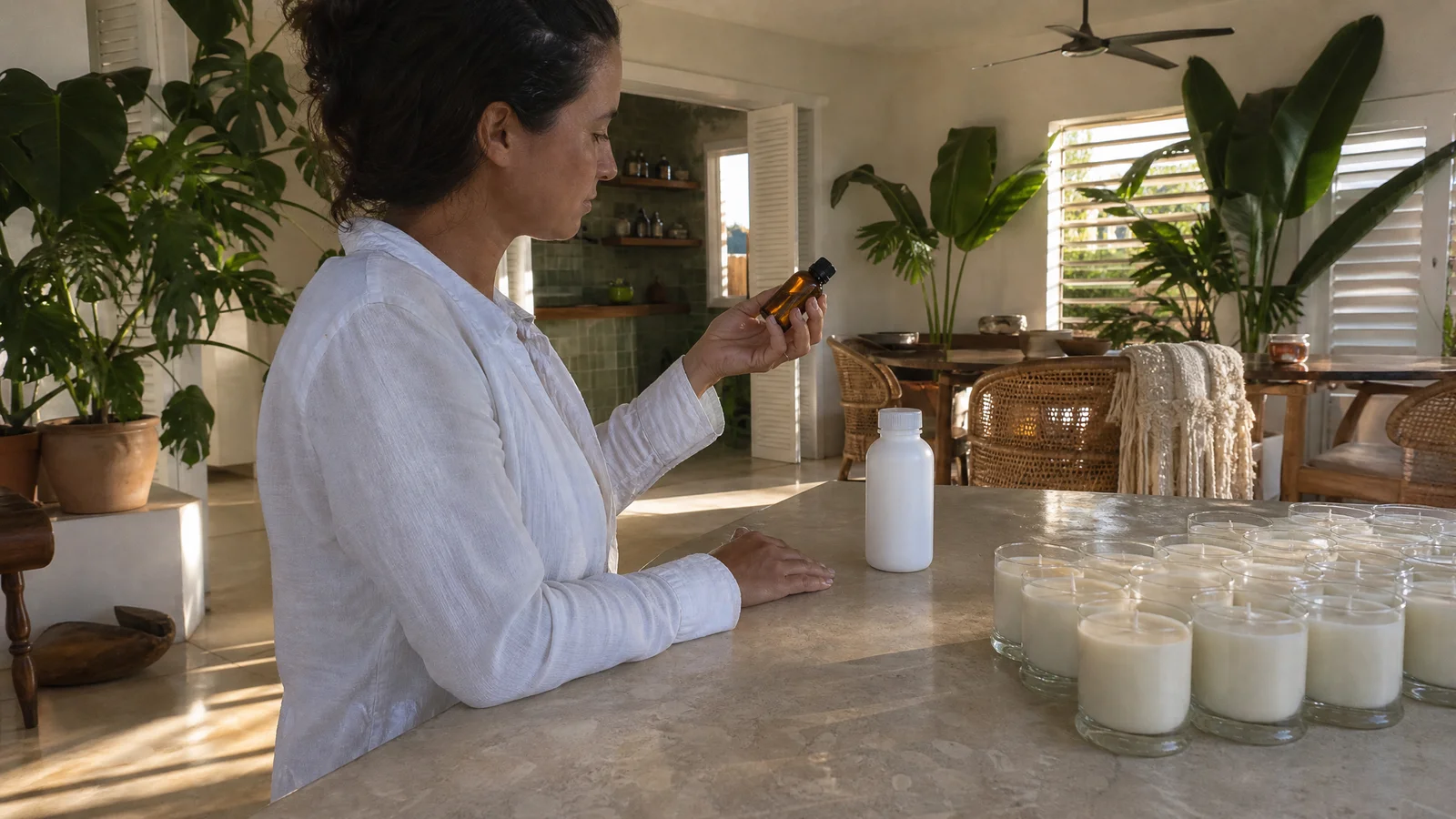
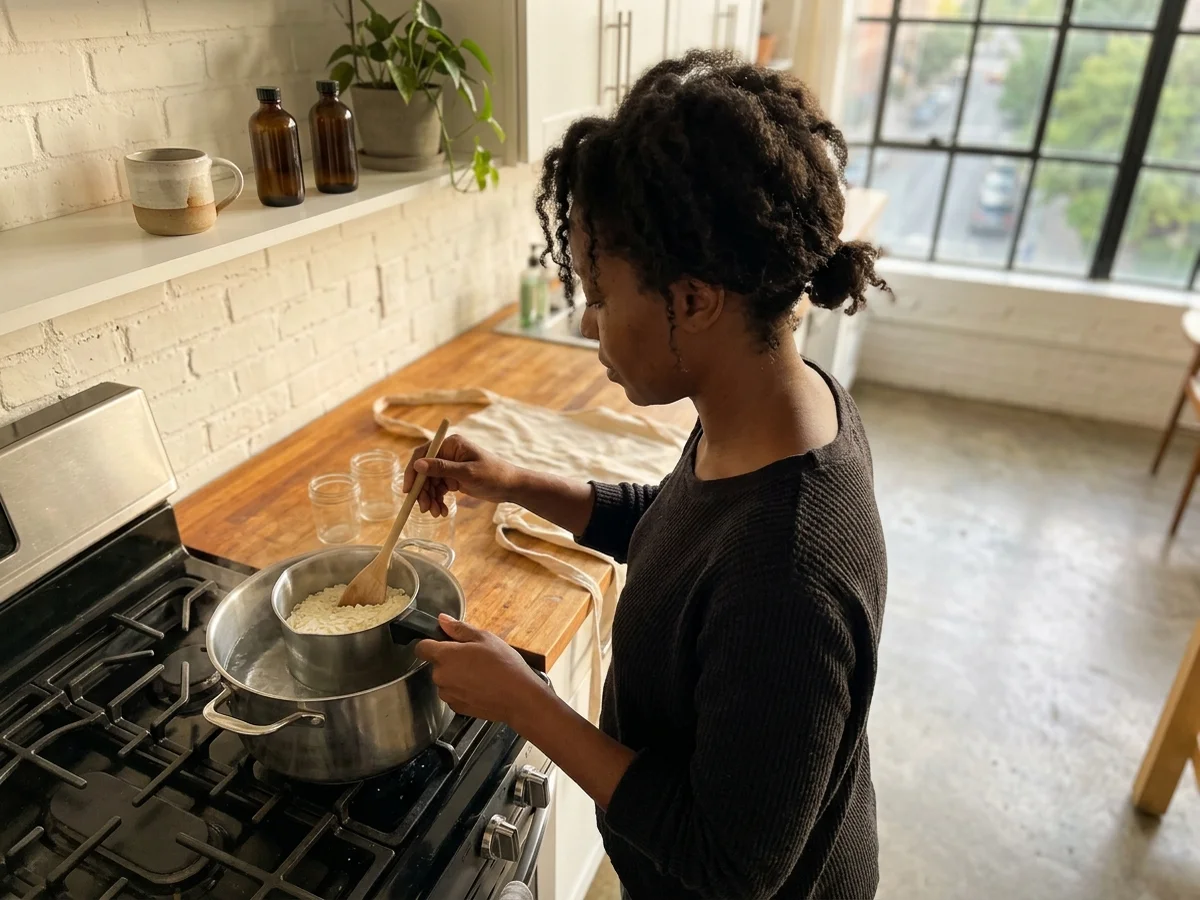
Load is counted on wax weight: grams of fragrance equal the load percentage over 100, times the grams of wax. For a 450 g jar at an 8% load that is 36 g of whole blend. Now choose eugenol's share of it:
| Role in the blend | Eugenol share | Eugenol oil in 36 g |
|---|---|---|
| Light accent | 10% | 3.6 g |
| Spice-led | 20% | 7.2 g |
| Clove-dominant | 30% | 10.8 g |
Those shares are illustrations for the arithmetic, not a recipe. Eugenol is a narrow, single-note material, and a blend that is mostly eugenol reads as a clove sweet, so the usual route to a rounded spiced candle is to let it lead a larger blend of orange, vanilla or warm woods from your aroma supplier. If cinnamon leaf is in the mix, count its eugenol too, because PubChem's handbook records describe eugenol as the main component of cinnamon leaf oil, above 90% in some cases.
How long to rest it
Sources disagree here and none are about eugenol. The wax listing says 48 hours; a fragrance retailer's 2026 blog says soy often wants one to two weeks and paraffin three to five days, with a mechanism but no data (House of Scent). The practical answer is to let your own wax tell you. Pour three jars from the same batch and burn one at day 2, one at day 7 and one at day 14, writing down the cold smell, the hot smell and how the flame behaves.
What you will notice when you smell the cold wax
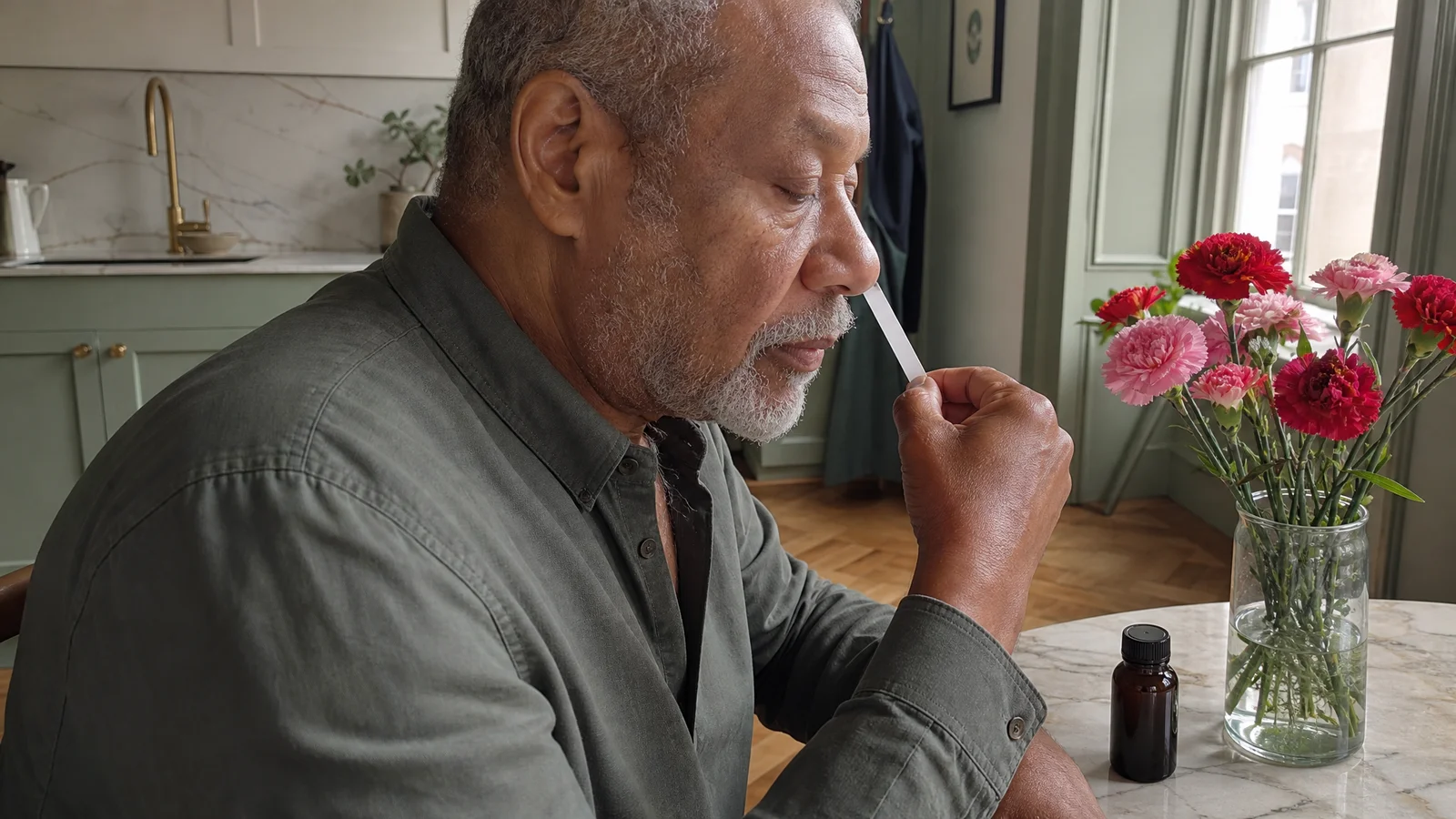
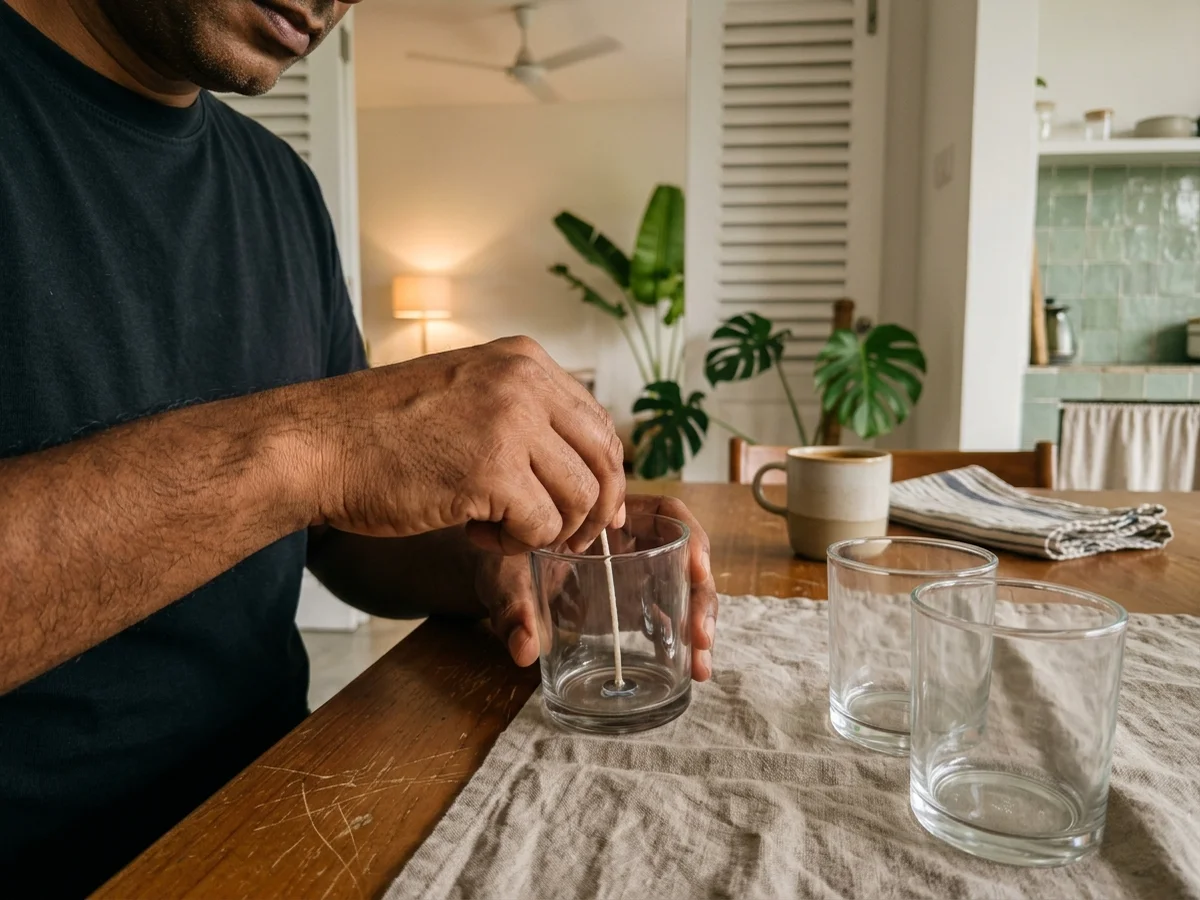
Cold throw is the smell of an unlit candle, and it tells you less than people think. Lift the lid, take a short sniff, and then put the jar down and walk away for a minute. Come back and see whether the spice still reads. A warm, carnation-like sweetness behind the clove is what you are listening for. When the jar is lit, the smell changes again, usually rounder and softer, so give each stage its own note in your log.
A simple plan for a first set
- Read the wax data sheet for load, pour temperature and cure advice.
- Pour jars at 6%, 8% and the wax's stated maximum, keeping the same wick and the same eugenol share.
- Label each with date, wax, wick, load and pour temperature.
- Smell the cold wax before lighting, burn in sight on a heat-proof surface and stop if the flame is smoky or the jar is hot to the touch.
- Note any color change in your log.
One more practical thought: pour on a day when you are not in a hurry. Spiced blends are strong, and a rushed pour is how drips end up on the counter and on your sleeves. Lay down paper, keep a damp cloth and a bin close, and wash up before you touch your face.
For the person doing the pouring
A load limit is not a handling plan. Eugenol is a recognized skin sensitizer, so wear gloves, wash up afterward and keep the oil away from eyes, children and pets. Pet Poison Helpline lists clove among the oils that can poison animals, with cats and birds at greatest risk (Pet Poison Helpline), and our pets article looks at exposure routes. Anyone with a fragrance allergy should skip candle making. If you plan to sell candles, ask a qualified safety assessor and read our labeling guide first.
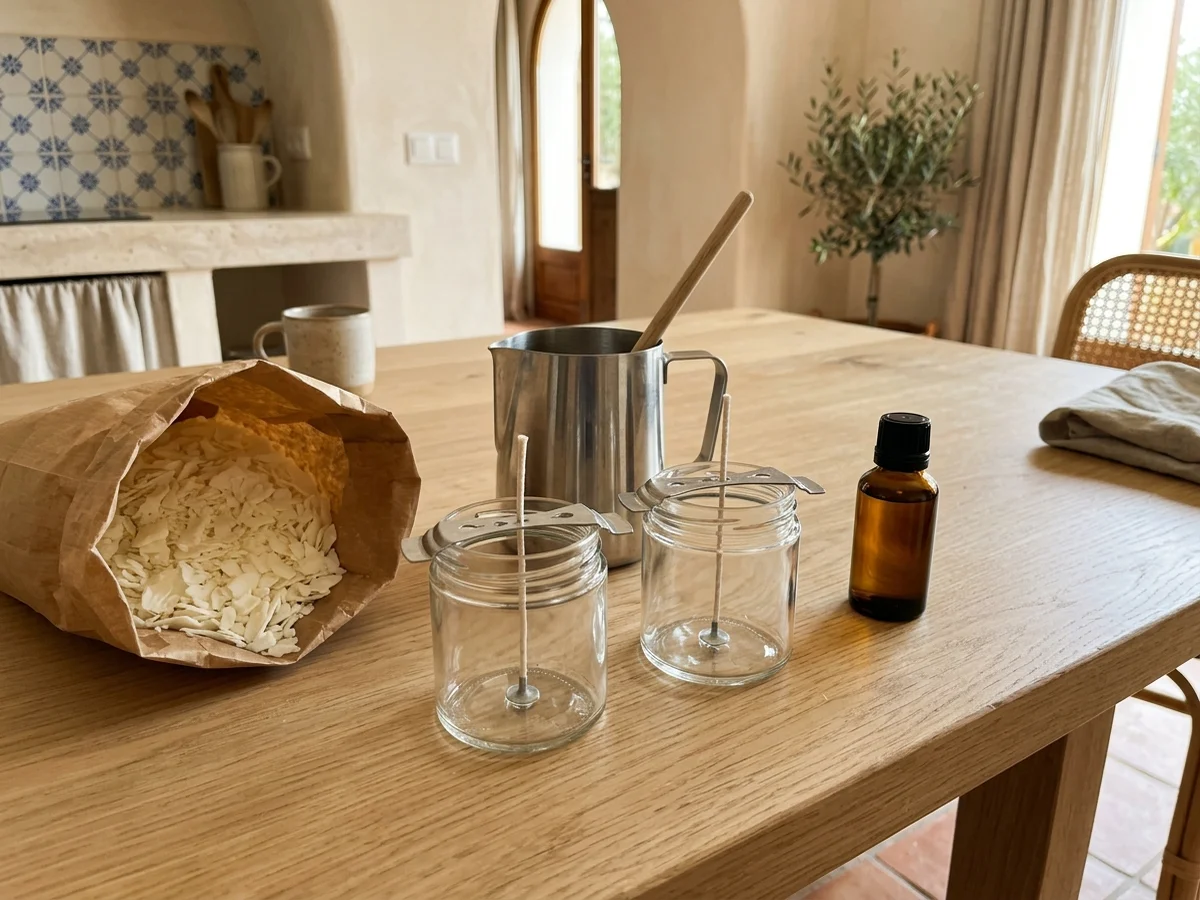
Wax, wicks and jars come from a candle-supply seller; the spice comes from the blend you design around eugenol.
Sources & Further Reading
- IFRA, Guidance for the use of IFRA Standards, 51st Amendment: ifra-51st-amendment-guidance.pdf
- IFRA Standards, 51st Amendment (eugenol): ifra-standards-51st-amendment.pdf
- NCBI PubChem, eugenol (CID 3314): pubchem.ncbi.nlm.nih.gov/compound/Eugenol
- Voyageur Soap and Candle, Golden Brands GW464 listing: voyageursoapandcandle.com
- Craftybase, fragrance load guide: craftybase.com
- House of Scent, why cure time affects scent throw: houseofscent.com
- Pet Poison Helpline, essential oils: petpoisonhelpline.com