Scenting a Holiday Gift Set With Eugenol: Limits First
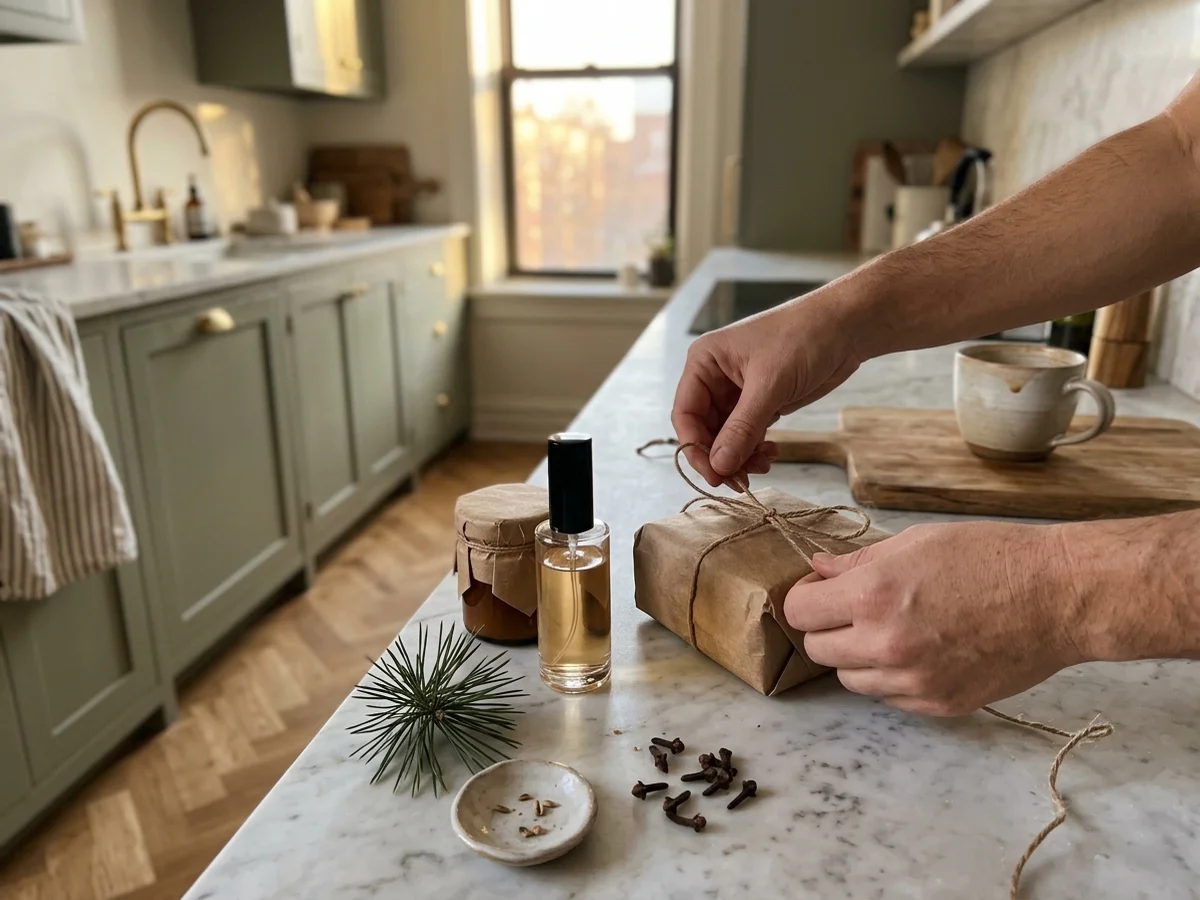
Picture a holiday gift box: a spiced candle, a bar of soap, a tub of hand cream, a little pillow spray, maybe a reed diffuser. You want them to smell like one warm, clove-edged idea. That sounds like one scent, but the box is really five products, and each one has its own ceiling for how much eugenol it can carry.

The gentlest product writes the recipe
IFRA, the fragrance industry's standard-setting body, publishes a maximum eugenol level for each kind of finished product (IFRA Standards, 51st Amendment, eugenol), and its guidance sorts everyday products into the categories those limits apply to (IFRA Guidance, 51st Amendment). For a gift box, the spread looks like this:
| In the box | Eugenol ceiling in the finished product |
|---|---|
| Candle, sachet, incense | No numeric restriction |
| Bar soap, liquid soap | 4.9% |
| Reed diffuser, potpourri oil | 4.0% |
| Hand cream | 0.64% |
| Pillow spray | 0.21% |
Our advice is to build the shared scent around the tightest item in the box and check everything else against it afterwards. Start with a bold candle and you may end up redoing the hand cream in December. Start with the pillow spray and the candle simply gets more room than it needs.
A quick example
Say the pillow spray is scented at 3%. Divide its ceiling by that dose (0.21 divided by 3) and the scent concentrate can be at most 7% eugenol. The soap at 3% allows far more, about 160%, so it can never be the limiting item. The pillow spray decides, and a concentrate that stays at or under 7% eugenol clears every item in the box. Anything extra the candle wants can come from a candle-only blend, since the Standard sets no number for candles.
Whole clove counts too
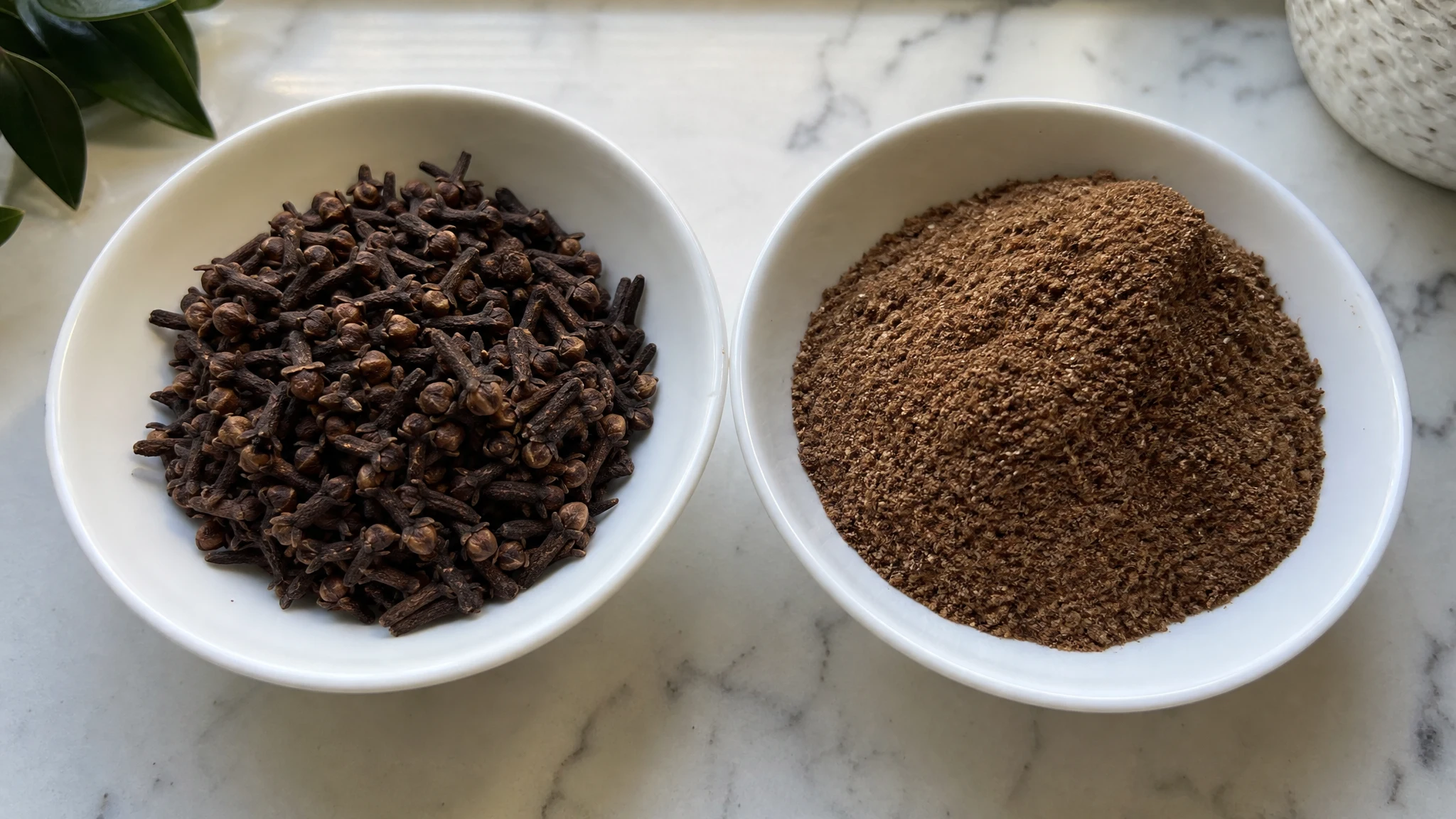
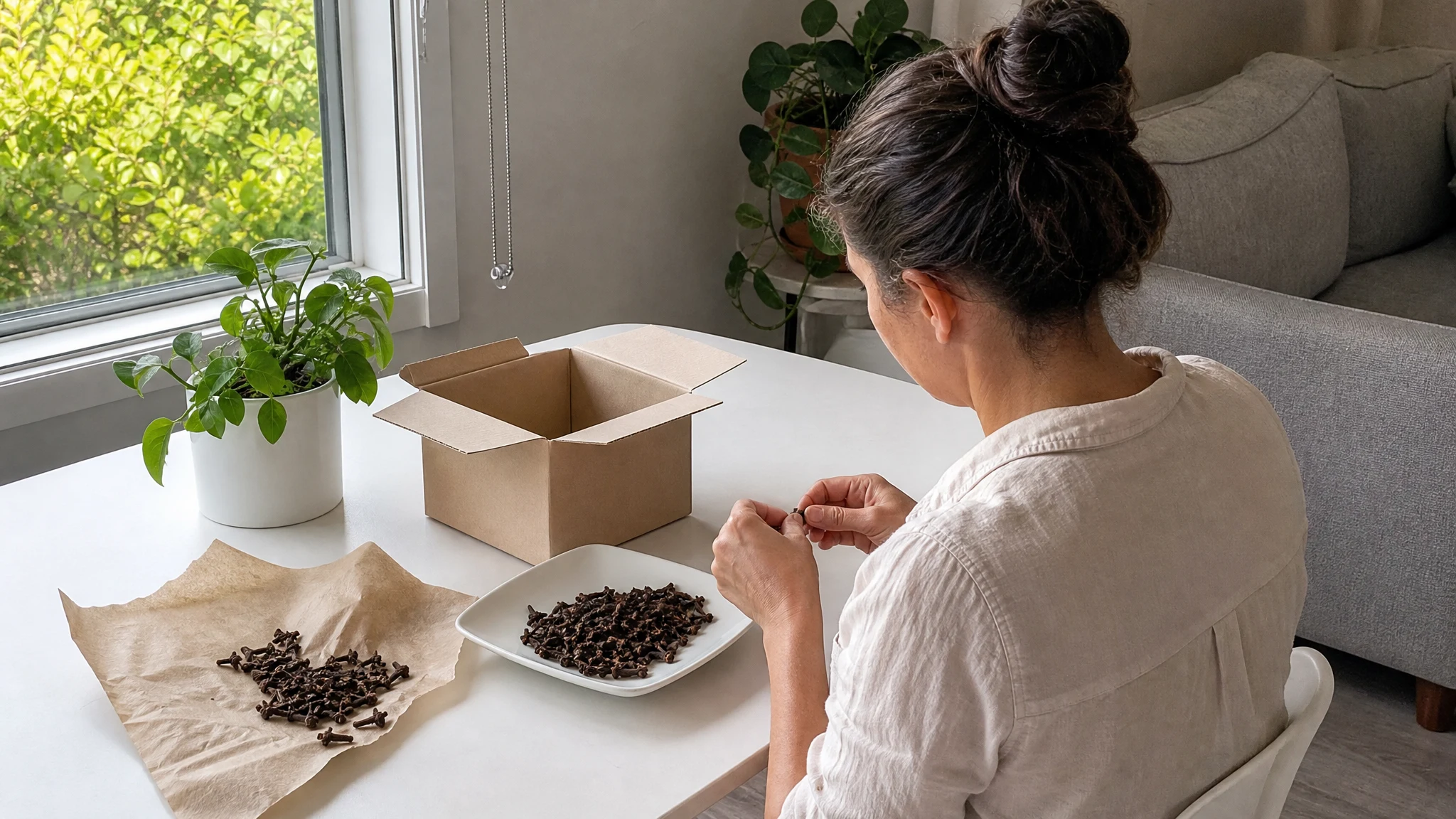
Autumn blends love clove bud oil, and the eugenol in it counts toward the same limit as the isolate. IFRA's guidance says its restrictions apply whether the restricted material is added directly or indirectly. Clove bud oil is mostly eugenol: EFSA's analysis of seven batches put it at about 75% to 83% depending on the method (EFSA FEEDAP Panel, 2023). So a concentrate that is 10% clove bud oil already carries roughly 7.5% to 8% eugenol before any isolate goes in. In a pillow spray at 3% that lands just over the 0.21% ceiling, while the same concentrate in a hand cream at 2% scent sits comfortably under 0.64%. One scent, two different answers.
The habit worth forming is to write down where every bit of eugenol comes from (isolate, clove oil, cinnamon leaf, bay) and total it for each product. Our guide to calculating eugenol in blends walks through the sum.
Room fragrance has its own rules
Candles feel like the same family as reed diffusers, but IFRA treats them differently. Candles, incense and fragrancing sachets sit in Category 12, justified by expected negligible skin exposure. Reed diffusers go in Category 10A because of handling the soaked reeds, and IFRA has said it plans to review Categories 10 to 12, so it pays to check the current edition each season. Wax melts are not named in the guidance table, so ask a regulatory specialist how to classify them; our wax melt guide covers the question. Our reed diffuser guide works the diffuser dose.
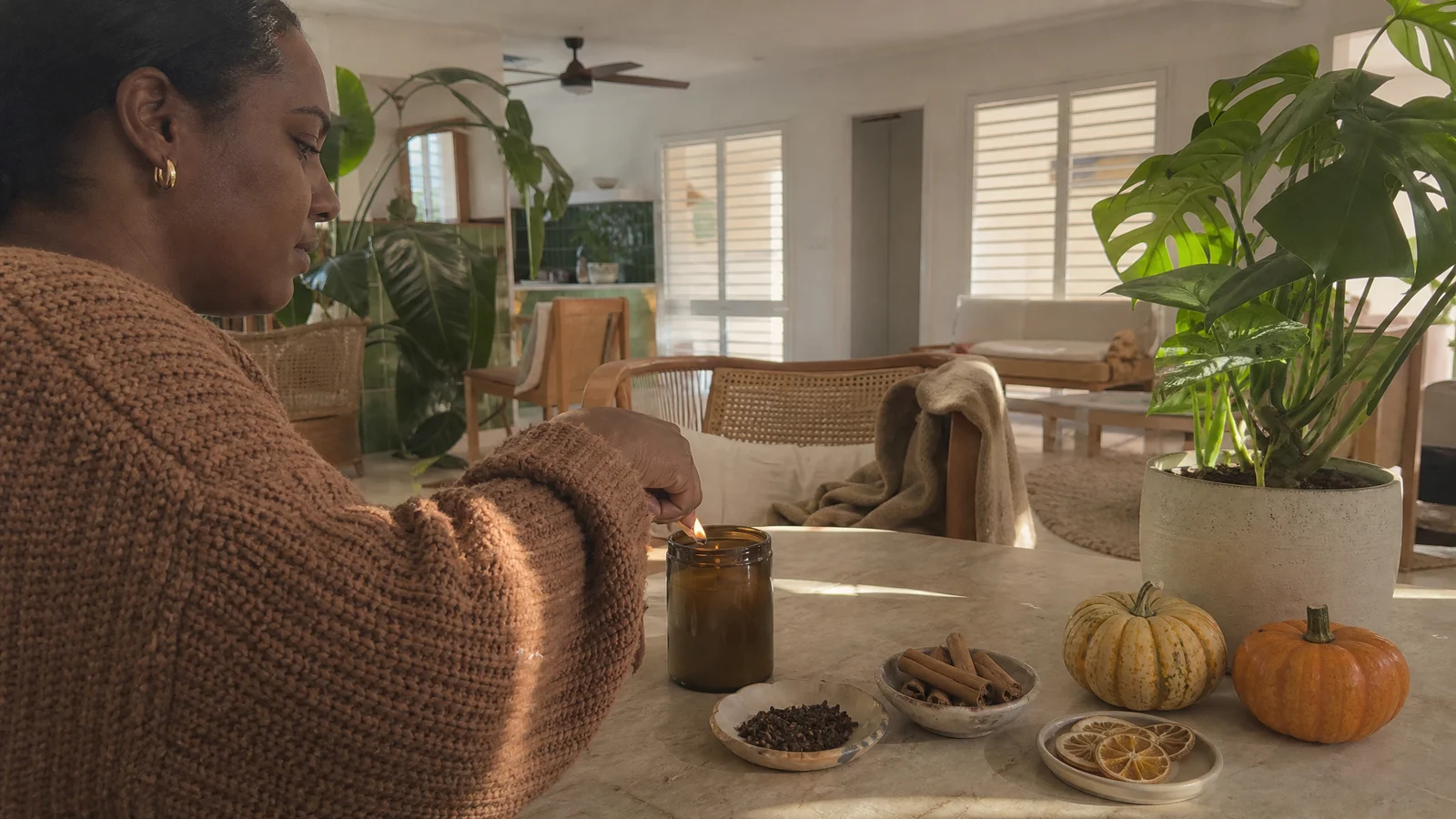
Category 12 speaks only to skin. A candle still has a flame, a hot wax pool and a home with people and animals in it, so our candle safety guide and pets guide are worth a read. Cats and birds are generally considered most at risk from airborne essential oils, and a veterinarian is the right person for a specific animal. Eugenol is also one of the fragrance allergens that has to be declared on cosmetic labels in the EU and UK above set thresholds, so a regulatory specialist should look at labels before you sell anything. And a bakery-style smell does not make a fragrance material food: our eugenol oil is not for internal use, and anything meant to be eaten needs a flavouring from a flavour supplier.
Keeping the box feeling like one idea
A matching scent does not have to mean an identical one. A candle can be fuller and rounder, a hand cream can be lighter, and the pillow spray can be a whisper, as long as they share the same warm clove edge. Before you wrap anything, set all the pieces side by side on a table, smell each one on its own, and then smell them together. If one piece shouts over the others, turn that one down. Give the set a short name and a line on a card about the scent, so the person unwrapping it knows the pieces belong together. If the box is a gift for someone you know well, think about what rooms they have and which of the pieces will actually get used there; a candle on a dining table and a pillow spray in a bedroom each tell a slightly different story.
Soap needs a second thought
Soap has a generous eugenol ceiling, but the limit is not the only consideration. Eugenol is a phenol, and a published review notes that large quantities used in soaps for their spicy aroma can cause discolouration. Our cold process soap guide covers what to expect before you commit a batch.
A gift set is at its best when one clear idea runs through every piece, and with eugenol that idea is simply decided by arithmetic first. Fix the tightest product, total the eugenol honestly, and the rest of the collection falls into place.
Sources & Further Reading
- IFRA Standards, 51st Amendment (eugenol)
- IFRA Guidance for the use of IFRA Standards, 51st Amendment
- EFSA FEEDAP Panel, 2023. Clove bud oil and clove leaf oils for all animal species. EFSA Journal 21(7):8183
- Pet Poison Helpline, essential oils
- Kamatou, Vermaak, Viljoen, 2012. Eugenol: from the remote Maluku Islands to the international market place. Molecules