Why Carnation Perfume Smells of Clove
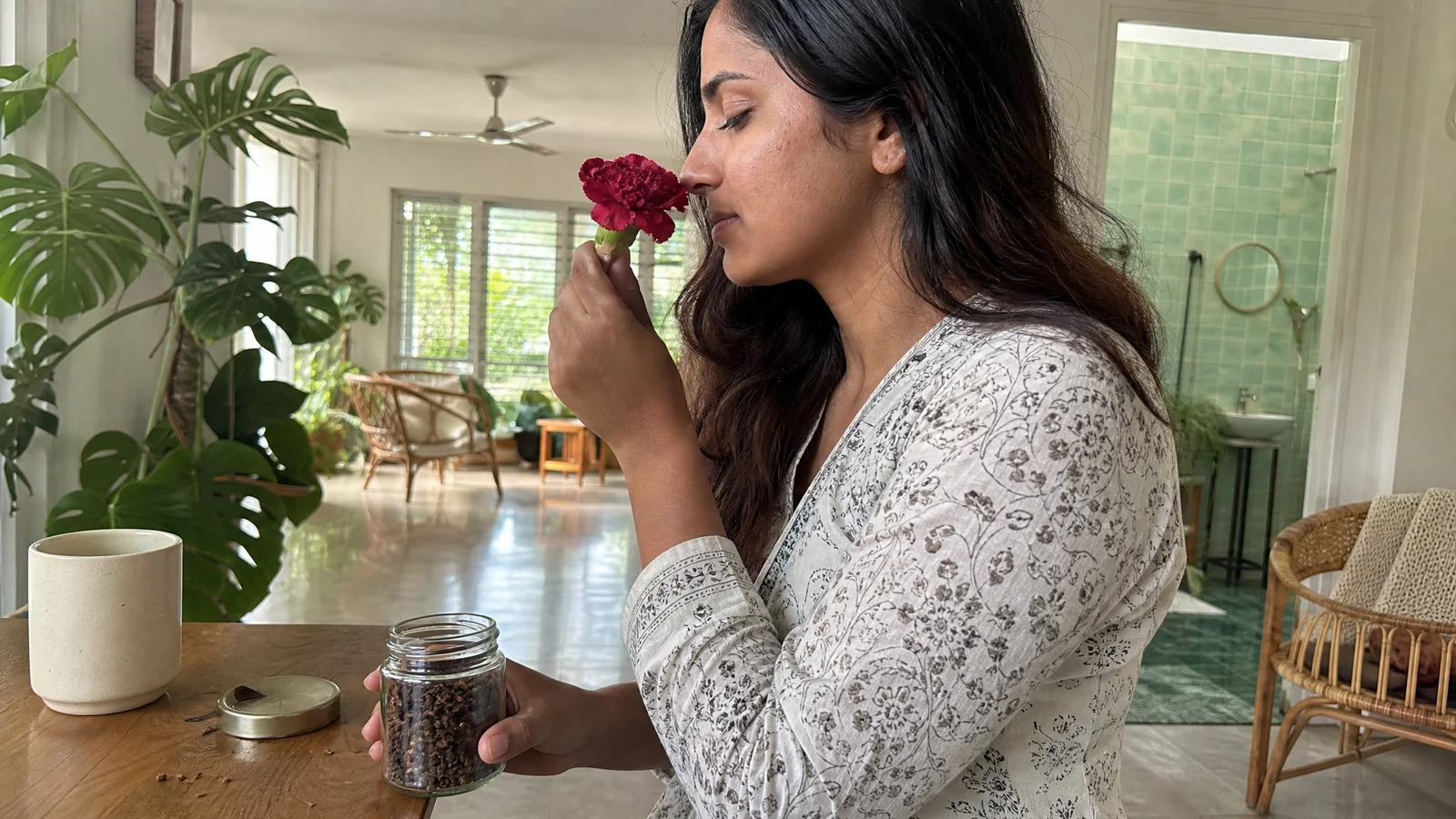
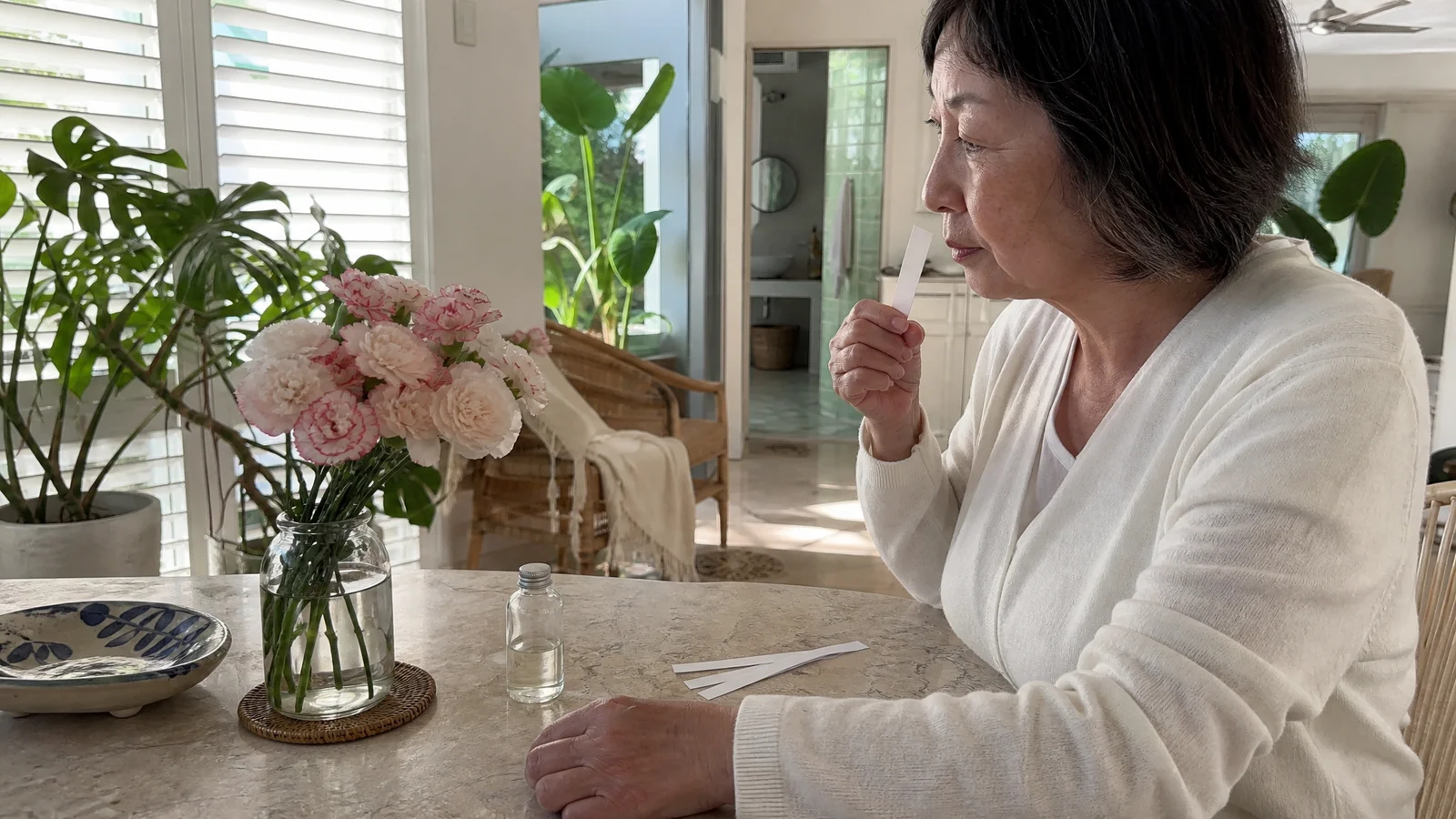
Smell a real carnation at the florist and you may be disappointed. Modern cut carnations are bred for looks and shelf life, and many barely smell of anything. The spicy, clove-like carnation of old perfumes was never really the flower. It was a composition, and eugenol sits at the heart of it.

The flower lost its scent
A study in the Journal of the Japanese Society for Horticultural Science found that most modern carnation cultivars have weak scents dominated by methyl benzoate. Eugenol, by contrast, was emitted in high amounts by several wild Dianthus species and some hybrids, which the authors suggest as breeding material to bring scent back (Kishimoto et al., 2013). So when a perfumer says carnation, the target is the idea of the flower, the one that smells like warm spice, rather than a bouquet from a corner shop.
A smell you may already know
Most of us have met this scent without a flower anywhere near it. It lives in old-fashioned soap, in a drawer of vintage handkerchiefs, in a florist's shop on a cold morning when something spicy seems to hang in the air. When people say a perfume smells like carnation, they usually mean that warm, slightly peppery sweetness, a cosy smell more than a floral one.
How the idea gets built
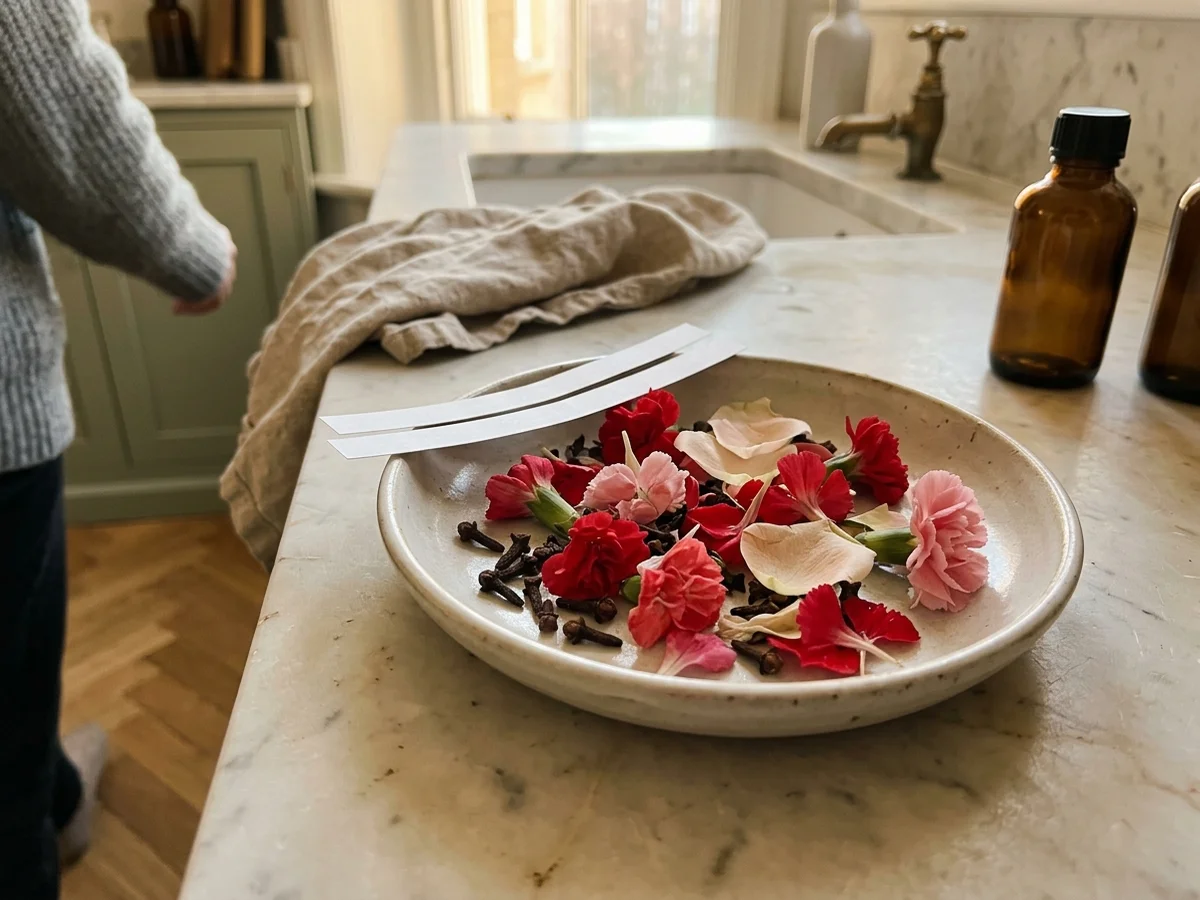
A commercial perfumery glossary describes the classic carnation reconstruction as eugenol for the spicy core, isoeugenol for a fruity refinement, benzyl salicylate for powdery diffusion and cinnamic alcohol for balsamic warmth, with methyl diantilis as a modern substitute. It also reports that carnation absolute itself contains roughly 14% to 15% benzyl benzoate and 3% to 4% eugenol (Premiere Peau). That is a retailer's description rather than a lab report, but the picture is believable: even in the natural material eugenol is a few percent of the whole, and the soft, balsamic background does much of the work.
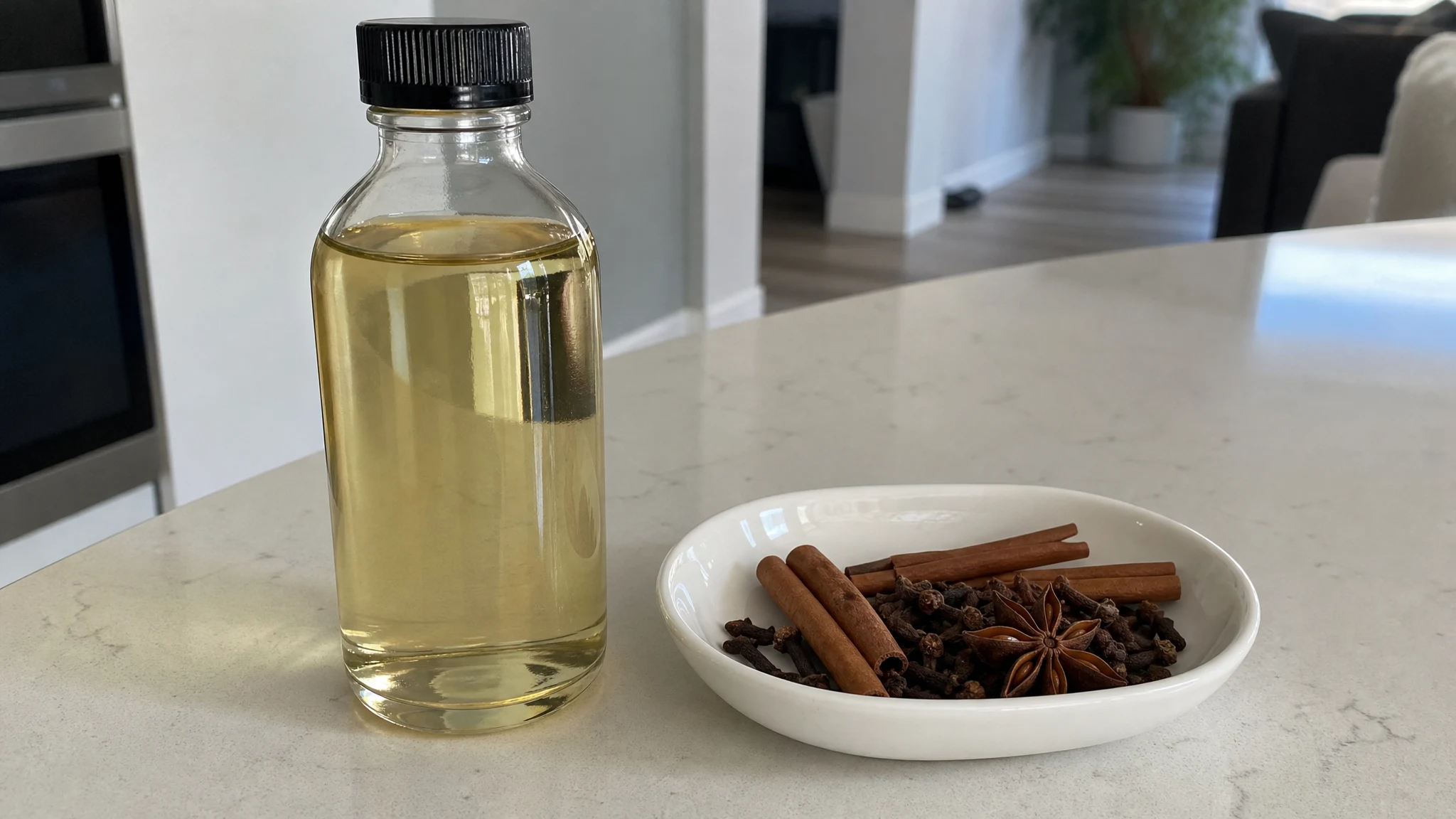
The eugenol note itself is warm, spicy and floral. PubChem quotes Kirk-Othmer describing it that way, and the Merck Index as the odor of cloves (PubChem, eugenol). Our eugenol oil is that spicy core, and we place it in the middle to base of a composition, where it leans toward rose, ylang ylang and vanilla. Our step-by-step accord shows how a build can be arranged.
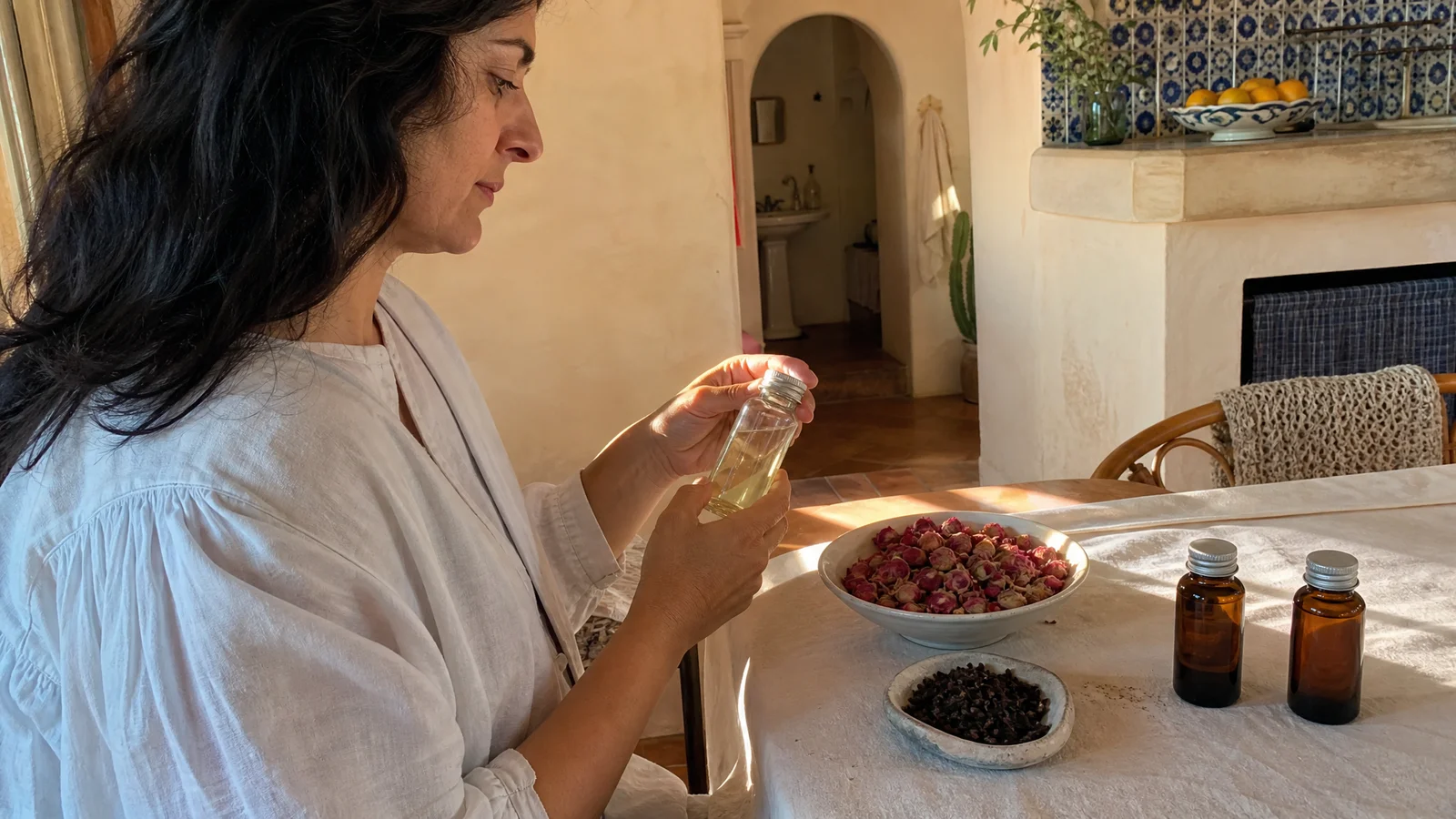
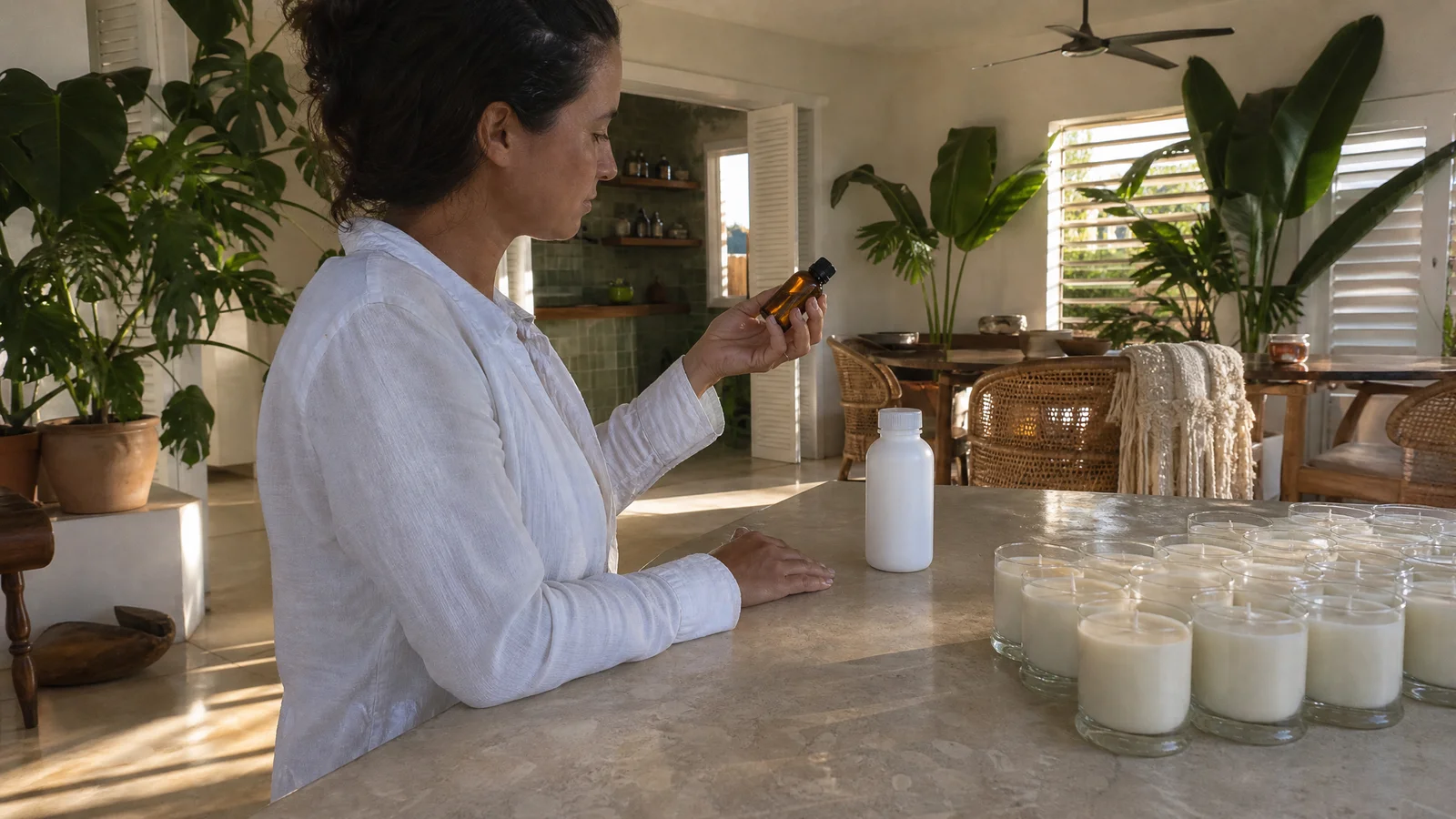
If you want to train your nose on it, start simply. Open a bottle of eugenol oil, hold it a hand's width from your face and breathe out first, then in, gently. You will notice the clove warmth arrives at once, with a sweeter edge underneath. Now think about what a flower would add: a little softness, something green, something powdery. That gap between the spice and the bouquet is what a carnation accord is built to fill.
A small-business owner's tip
If you are curious about building one, keep your first attempt tiny and written down. Weigh everything, label the bottle with the date, and resist the urge to keep adding "just a little more" spice. Carnation is a gentle character, and it is easy to overshoot into straight clove.
Why classic formulas change
Here is where the regulations shape the art. Isoeugenol, the fruitier cousin, has much tighter IFRA limits than eugenol. In category 4, which covers fine fragrance, eugenol is limited to 2.5% in the finished product and isoeugenol to 0.11%, about twenty times less. In category 5A, body products, the figures are 0.64% and 0.027% (IFRA Standards, 51st Amendment). The arithmetic suggests that an older carnation leaning on isoeugenol has to be rebalanced today, with more eugenol and different supports. House formulas are private, so we cannot say what any perfumer actually changed, but the logic is clear. Our article on the chypre and fougere styles follows the same thread, and the isoeugenol comparison sets the two molecules side by side.
Where the eugenol comes from
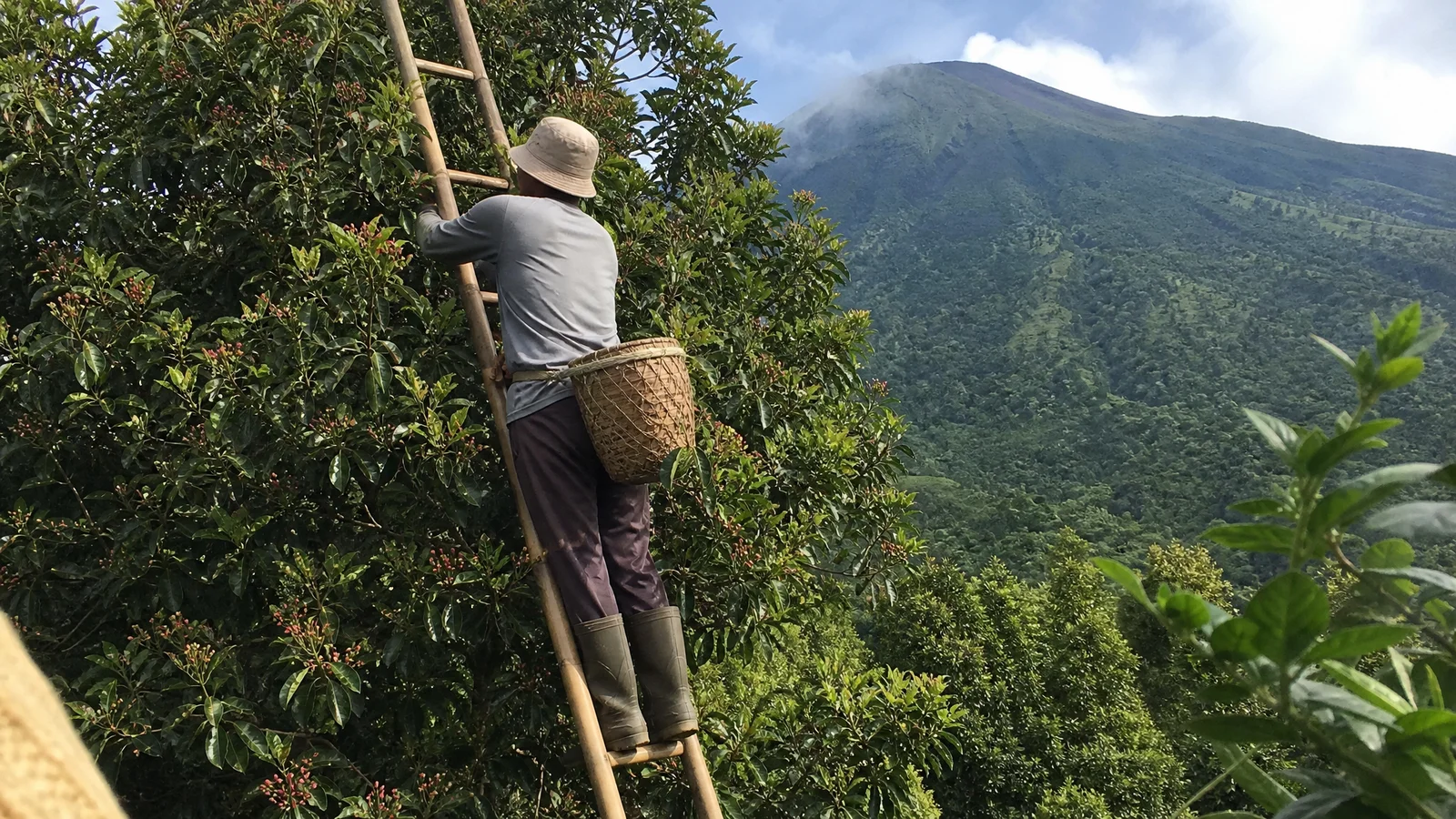
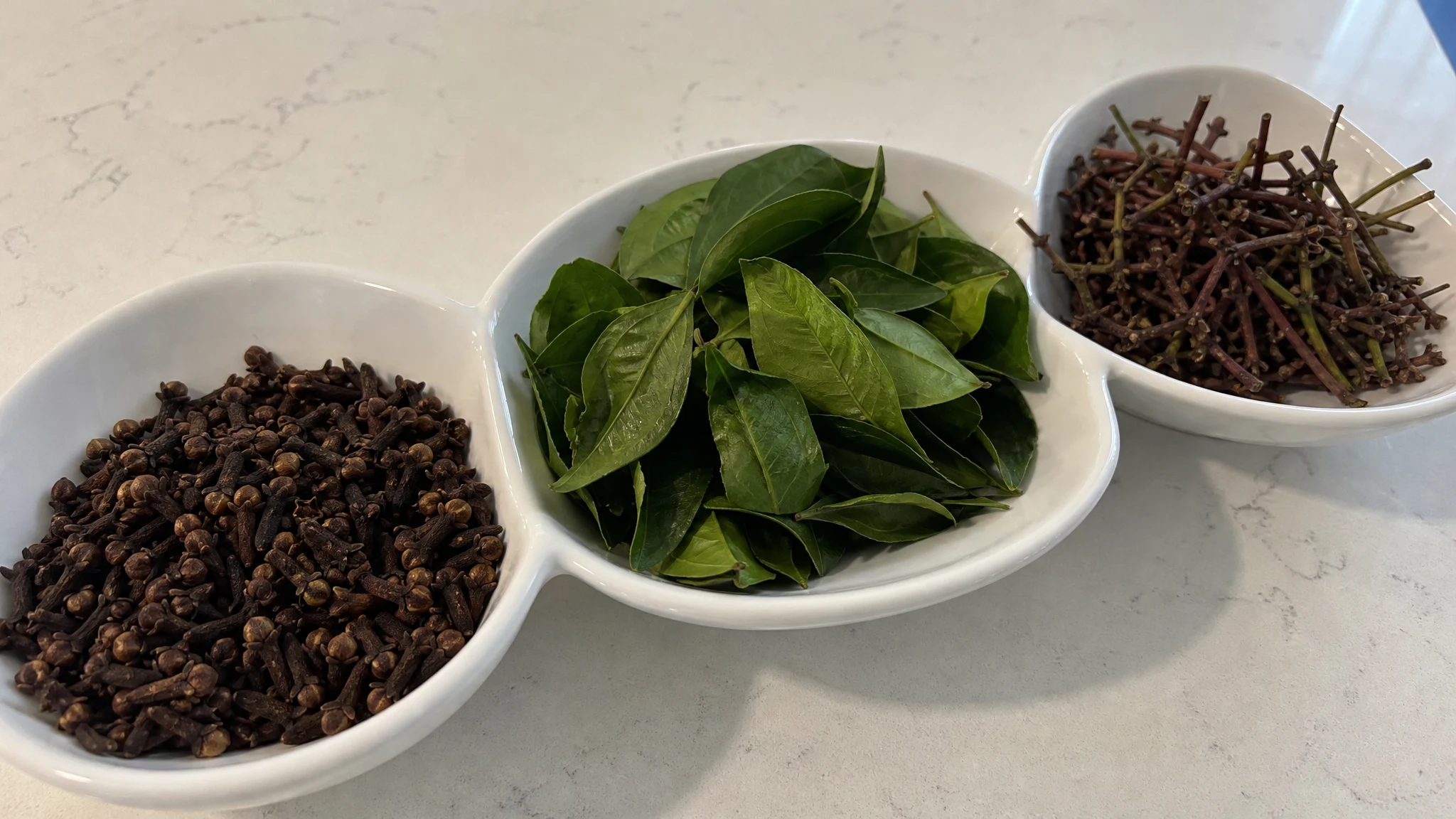
Eugenol for perfumery is either isolated from clove oil or made synthetically. A review explains that it is "predominantly prepared from natural oil sources" by treating the oil with aqueous alkali, removing the non-phenolic portion, acidifying and purifying by fractional distillation, while the practical synthetic route is allylation of guaiacol (Kamatou et al., Molecules, 2012). Both routes give the same molecule. Our How We Test page describes our material as clove-derived. If your product claims depend on origin, ask any supplier for the documentation that supports it, as we explain in the natural versus synthetic article.
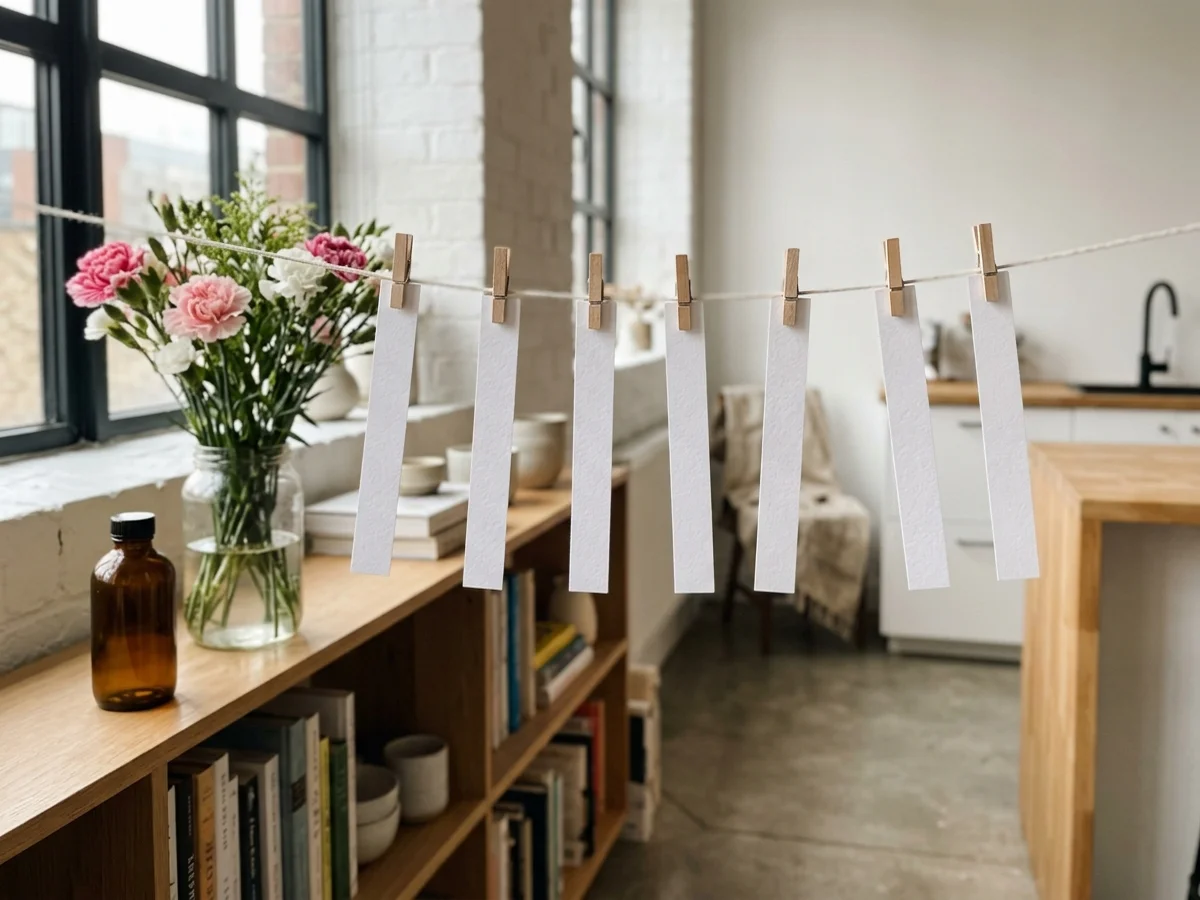
It is worth saying that a carnation scent does not have to be loud. Some of the loveliest versions are quiet and powdery, the sort of scent you notice when someone walks past rather than when they walk in. Think of the spice as the seasoning and the soft materials as the meal.
Deciding what to build
- Carnation or clove? Eugenol alone smells of clove. The carnation comes from the background around it, and a smelling strip routine helps you hear the difference.
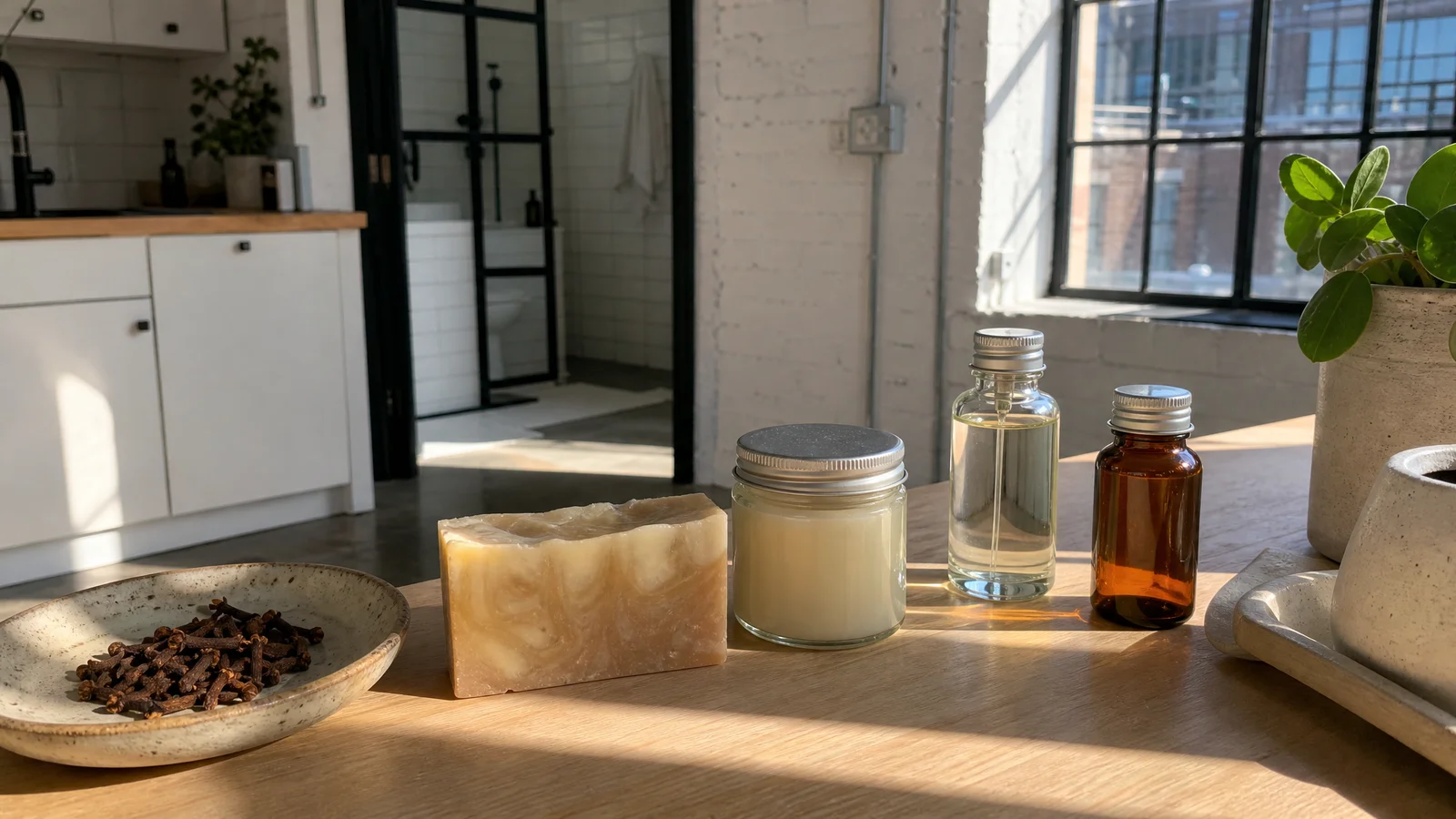
- Which product? The IFRA category sets your eugenol ceiling. A candle sits in a category without a restriction for eugenol, while a skin product has one.
- Count every source. Eugenol from natural oils in the blend counts too.
We sell eugenol oil only, so benzyl salicylate, benzyl benzoate and isoeugenol come from an aroma-chemical supplier with their own IFRA documents. Anyone with a fragrance allergy to eugenol should talk to a dermatologist or allergist before wearing or making a carnation scent. The reward for building one is a warm, spiced floral that no cut flower can match.
Sources & Further Reading
- Kishimoto K et al., 2013. Floral scent of carnation and wild Dianthus interspecific hybrids. J Jpn Soc Hortic Sci 82(2):145-153. jstage.jst.go.jp
- Premiere Peau. Glossary, carnation. premierepeau.com
- National Library of Medicine. PubChem, eugenol, CID 3314. pubchem.ncbi.nlm.nih.gov/compound/Eugenol
- IFRA, 2023. IFRA Standards, 51st Amendment, eugenol and isoeugenol. ifra-standards-51st-amendment.pdf
- Kamatou GPP, Vermaak I, Viljoen AM, 2012. Eugenol: from the remote Maluku Islands to the international market place. Molecules 17(6):6953-81. PMC6268661