Clove and Rose Perfume: Who Sets the Limit?
Clove and rose is an old, romantic pairing, and most people assume the spicy half is the one that needs watching. In a rose-forward perfume it is the other way round. The material that runs out first is a small component of the rose oil itself, and it runs out long before eugenol does.

There is already clove in your rose
The pairing is less exotic than it sounds. IFRA's annex to the eugenol Standard lists indicative eugenol levels for natural materials, and rose is on it: about 1.2% in rose oil, 2.3% in rose absolute and 1% in rose concrete (IFRA eugenol Standard, Annex I). The annex describes these as indicative figures, to be replaced by your own analysis when you have it. Reasoning from them, a pinch of eugenol oil extends something the flower already carries, which is a better argument for the pairing than saying the two smell nice together.
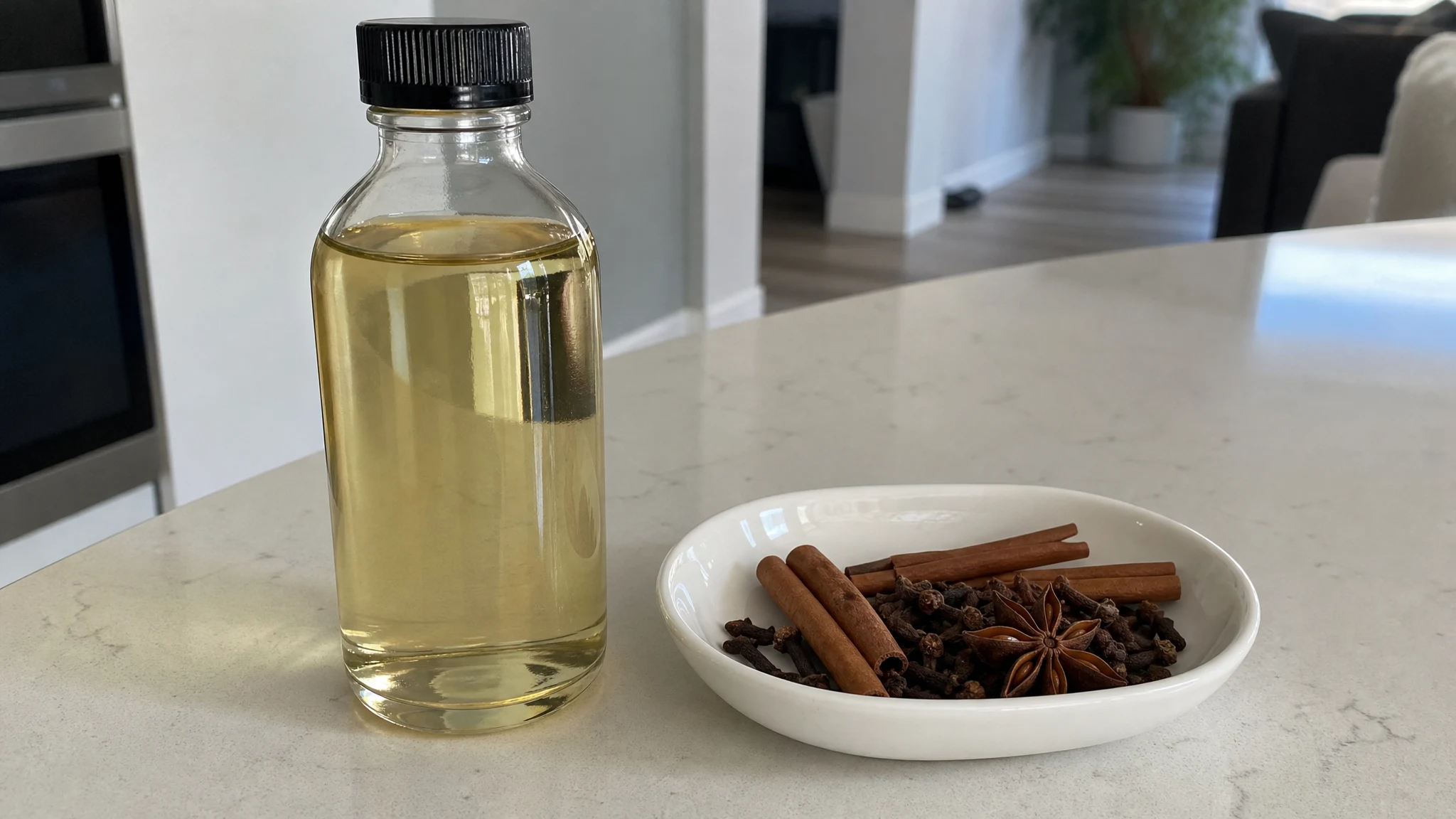
Warm and spicy is how the reference books describe eugenol. PubChem quotes the Merck Index with "Odor of cloves" and Kirk-Othmer with "Warm, spicy, floral". Next to a rose, that edge reads a little like carnation, a flower perfumers have long rebuilt with eugenol for its spicy core (Première Peau glossary).
The ceiling that matters is methyl eugenol
Published analyses of rose oil consistently find methyl eugenol, a close relative of eugenol, at around 2% to 3%. One steam-distilled sample came in at 2.24% (Wu et al., 2024) and another at 2.7% (Özsoy et al., 2025). These were laboratory distillations run for other purposes, so treat them as examples of the range, not a trade specification.
IFRA limits methyl eugenol in fine fragrance and solid perfume (Category 4) to 0.011% of the finished product, against 2.5% for eugenol itself (IFRA Standards, 51st Amendment). That is a gap of more than two hundred times. Here is the arithmetic: a rose oil with 2.24% methyl eugenol can make up at most 0.011 divided by 0.0224, about 0.49% of the finished perfume, and one with 2.7% reaches about 0.41%. In a 10 g bottle at 20% concentrate, that is a few hundredths of a gram of rose oil.
It is good news in disguise. A rose heart in a perfume this size cannot be rose oil alone, so the rose character is built from other materials, with the real oil as a precious accent. Ask any rose supplier for a GC report that lists methyl eugenol, because samples vary enough that a typical figure is no substitute. Our eugenol versus methyl eugenol guide explains why the two are regulated so differently.
How the pairing smells
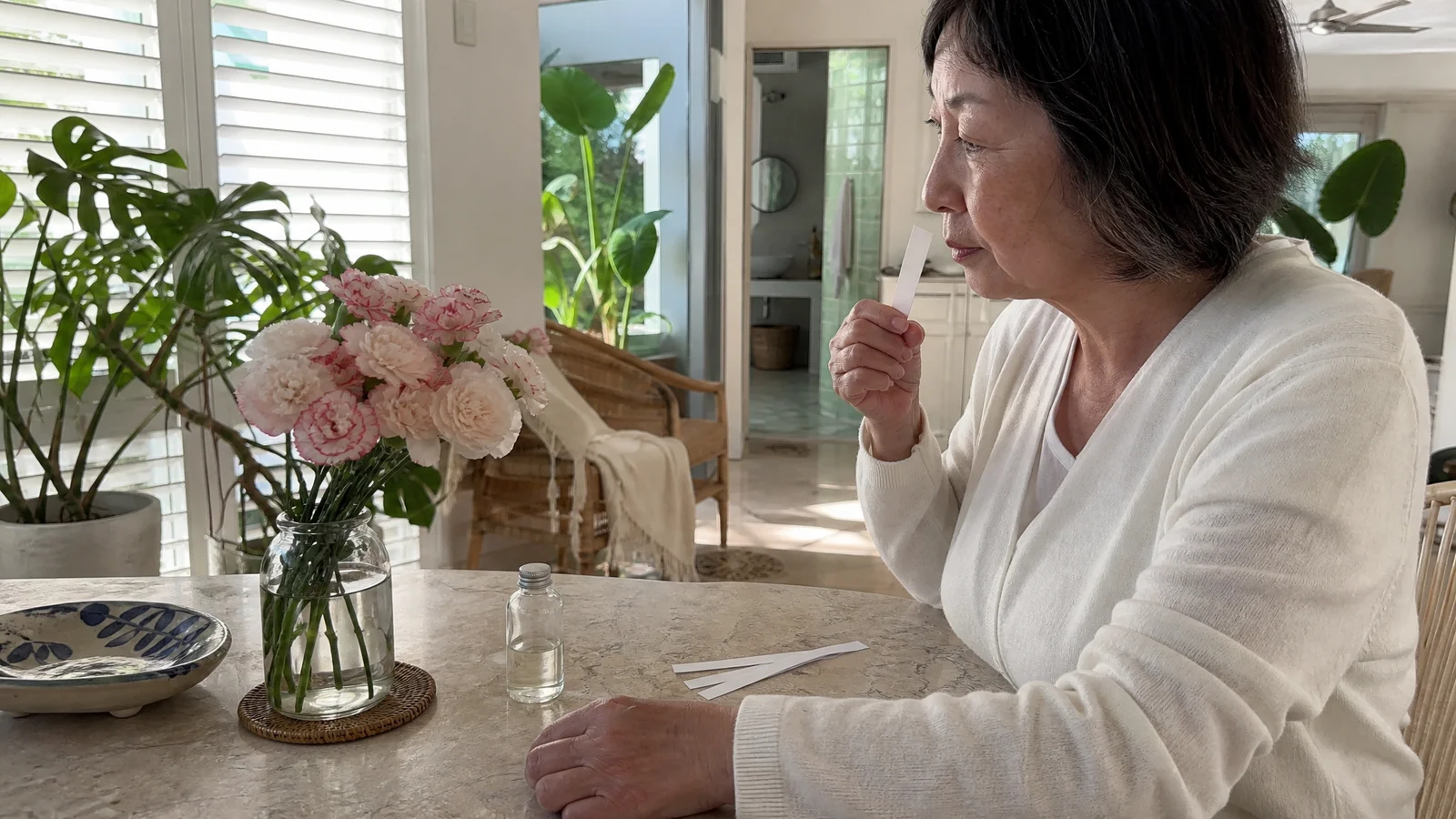
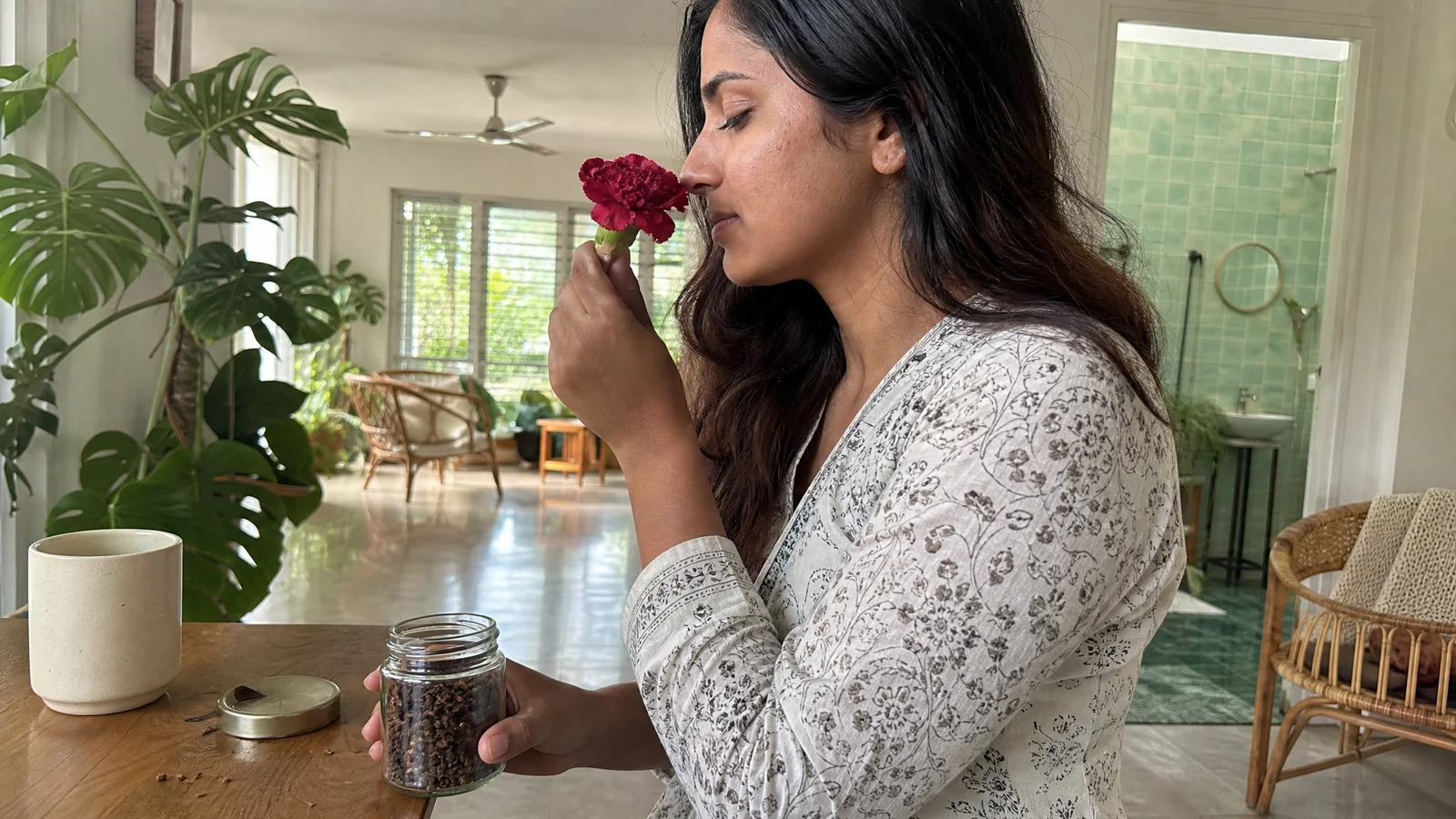
Put a clove note next to rose and the rose changes. Alone, rose can feel sweet and round; with a trace of spice behind it, it turns darker and a little more old-world. On a smelling strip you will notice the spice lifts the rose up and gives it a backbone, and that it takes only a very small amount to do it. Too much and the rose disappears under the clove, so go slowly.
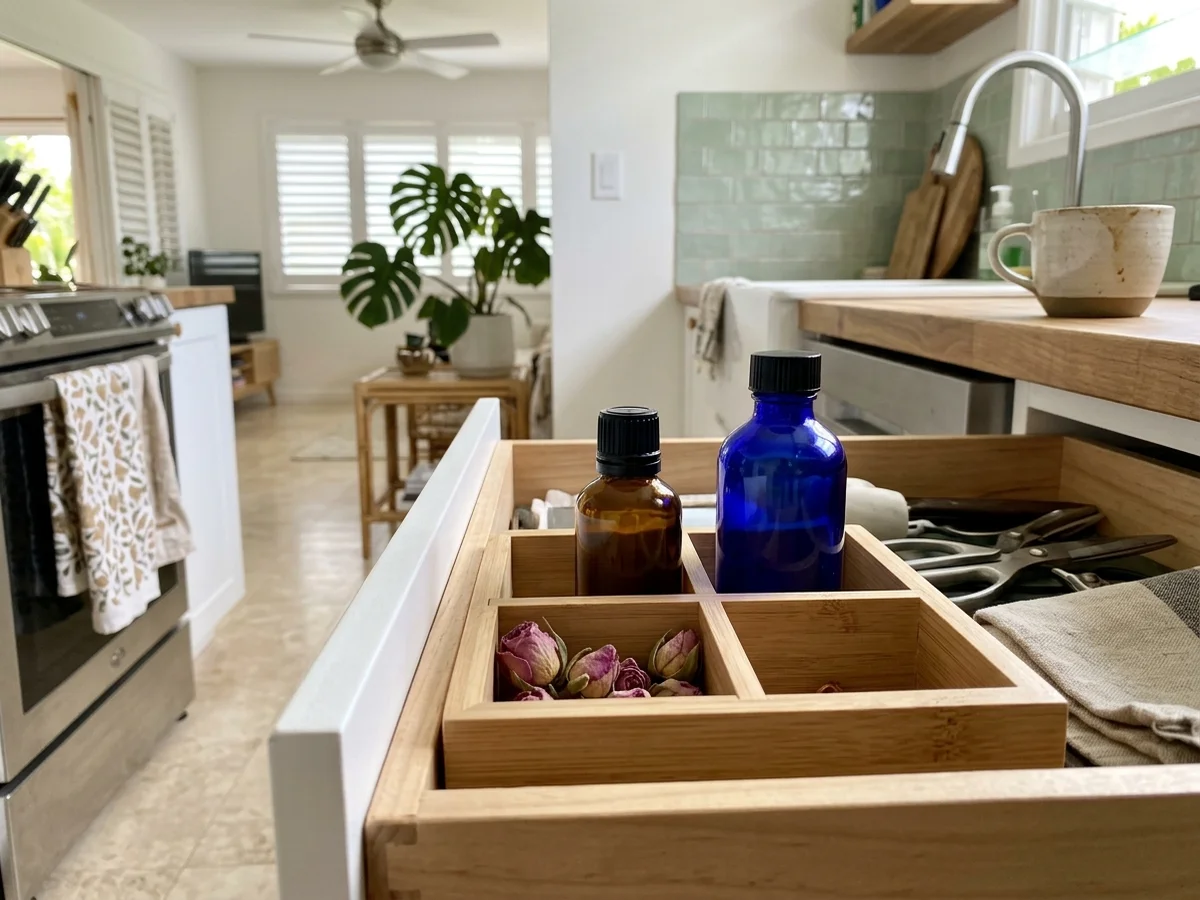
Where our eugenol oil goes
Eugenol oil is the small, weighed spice note in this accord, and it is not what limits how much rose you can use. The 2.5% Category 4 figure covers all the eugenol in the perfume, from our oil, the rose, and anything else in the heart such as clove, cinnamon leaf or ylang ylang. Fragrance-industry guidance for leave-on products runs closer to half a percent, and that is where we would start. At 0.5% finished-product eugenol, a 10 g bottle holds 0.05 g, which at a 20% concentrate is 2.5% of the concentrate.
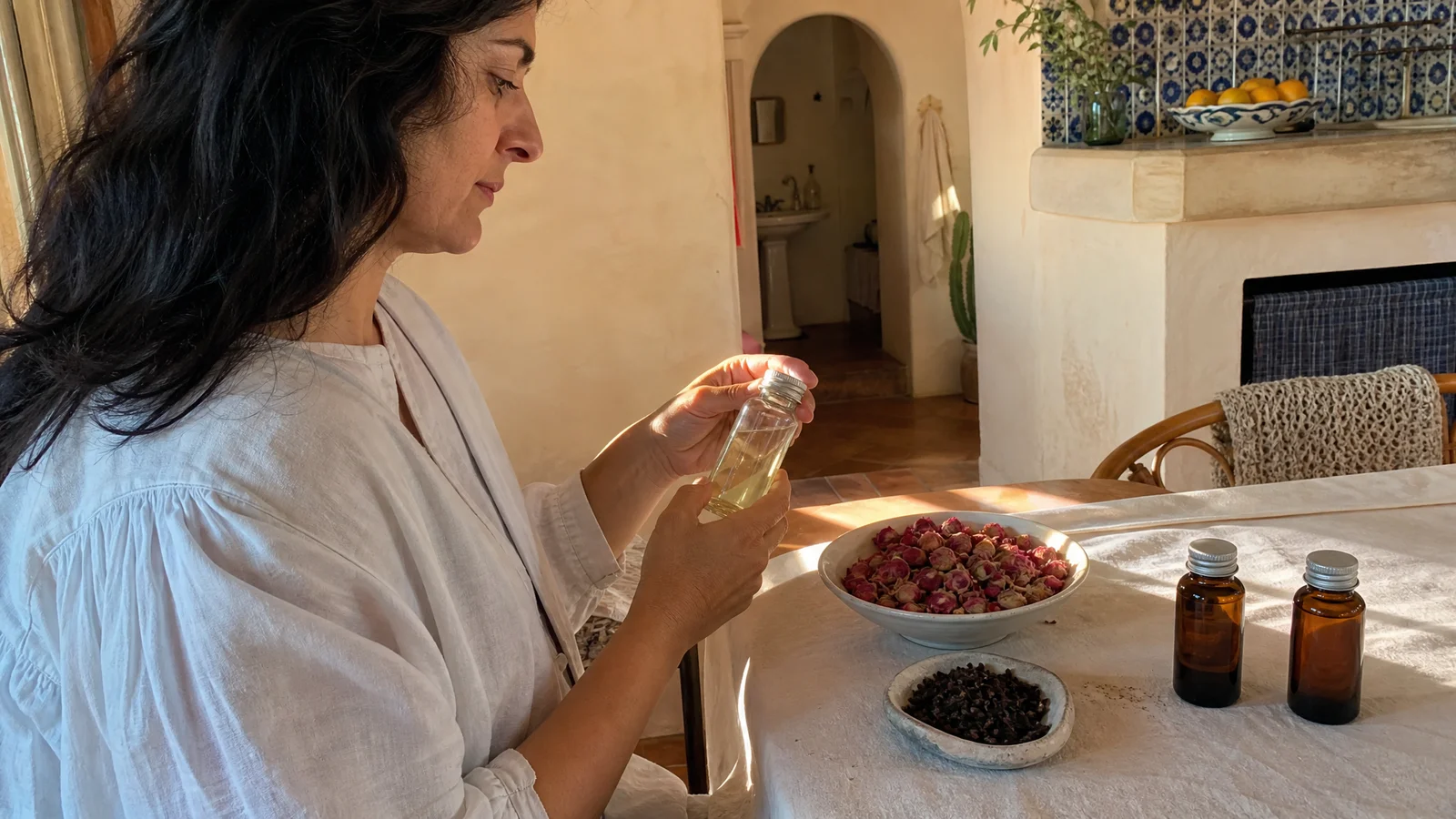
That is a quantity an ordinary kitchen scale cannot read, so make a stock. Weigh 1.00 g of eugenol oil into 9.00 g of the solvent or carrier you use for the bottle, and 0.50 g of that 10% stock delivers the same 0.05 g. Write every weight down. A rose-clove accord that drifts between batches is hard to correct from the nose alone, and our blend calculation guide shows how to total the eugenol from each contributor.
The rest of the perfume is yours to source from a perfumery supplier: the rose materials, a base, the alcohol. We sell eugenol oil only. Ask each supplier for its safety data sheet and IFRA certificate and check every material against its own Standard. If you would like a carnation direction instead, see our carnation accord walk-through, and judge your trials on a smelling strip over several hours with the method in our smelling strip guide.
If you are building this for the first time, a good habit is to make two strips of the same blend, one a touch lighter than the other, and compare them after an hour. The lighter one is very often the better one. Restraint is the whole trick with a spice this characterful.
A word on skin
Eugenol is a recognised contact sensitiser. In a 2023 study of 34 people with eugenol contact allergy, 21 had a positive patch test, and the lowest positive concentration was 0.031% (Ofenloch et al., Contact Dermatitis). Anyone with a known fragrance or eugenol allergy should skip a blend like this and ask a dermatologist or allergist about testing. If you plan to sell the perfume, have a regulatory specialist review the category and the label.
The order of work for a clove-rose accord is the reverse of how the idea arrives: settle the rose budget first, then the eugenol, then let your nose decide the rest.
Sources & Further Reading
- IFRA Eugenol Standard, Amendment 49, with Annex I
- IFRA Standards, 51st Amendment (eugenol, methyl eugenol)
- Wu et al., 2024. Rosa damascena essential oil. Front Pharmacol
- Ozsoy et al., 2025. Rosa damascena essential oil. Pathogens
- PubChem, eugenol (CID 3314)
- Premiere Peau, Carnation (glossary)
- Ofenloch et al., 2023. Allergic reactivity for different dilutions of eugenol. Contact Dermatitis