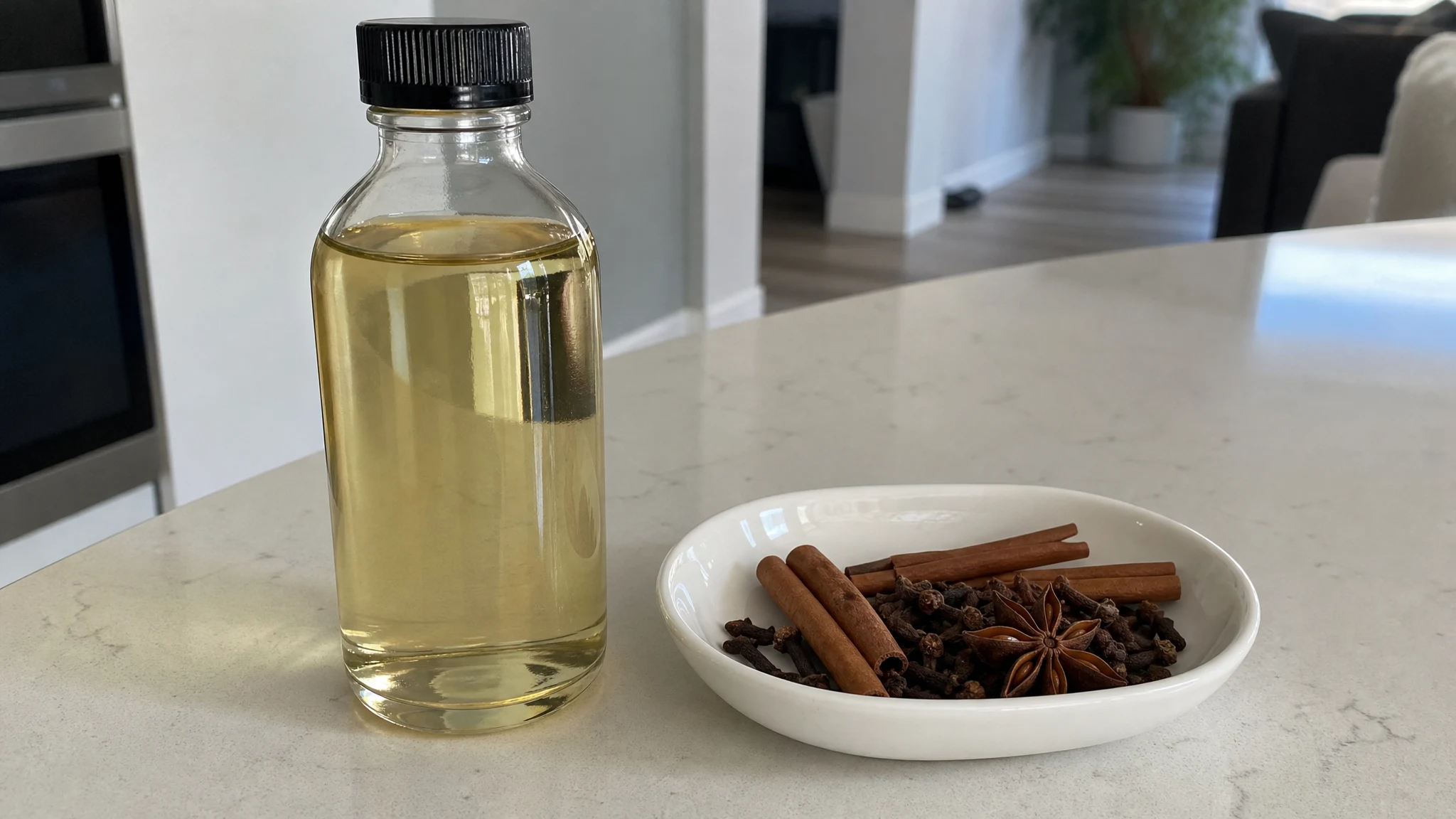
Amber With a Clove Edge: A Perfume Skeleton to Try
"An amber with a clove edge" is a lovely brief, and the word that matters in it is edge. Clove-like warmth is wonderful as a sharp accent on a soft, sweet base, and it turns one-dimensional when it tries to be the base. The clove edge is also the part of the formula with a legal ceiling, so it helps to decide its size first.

Amber used to be called oriental
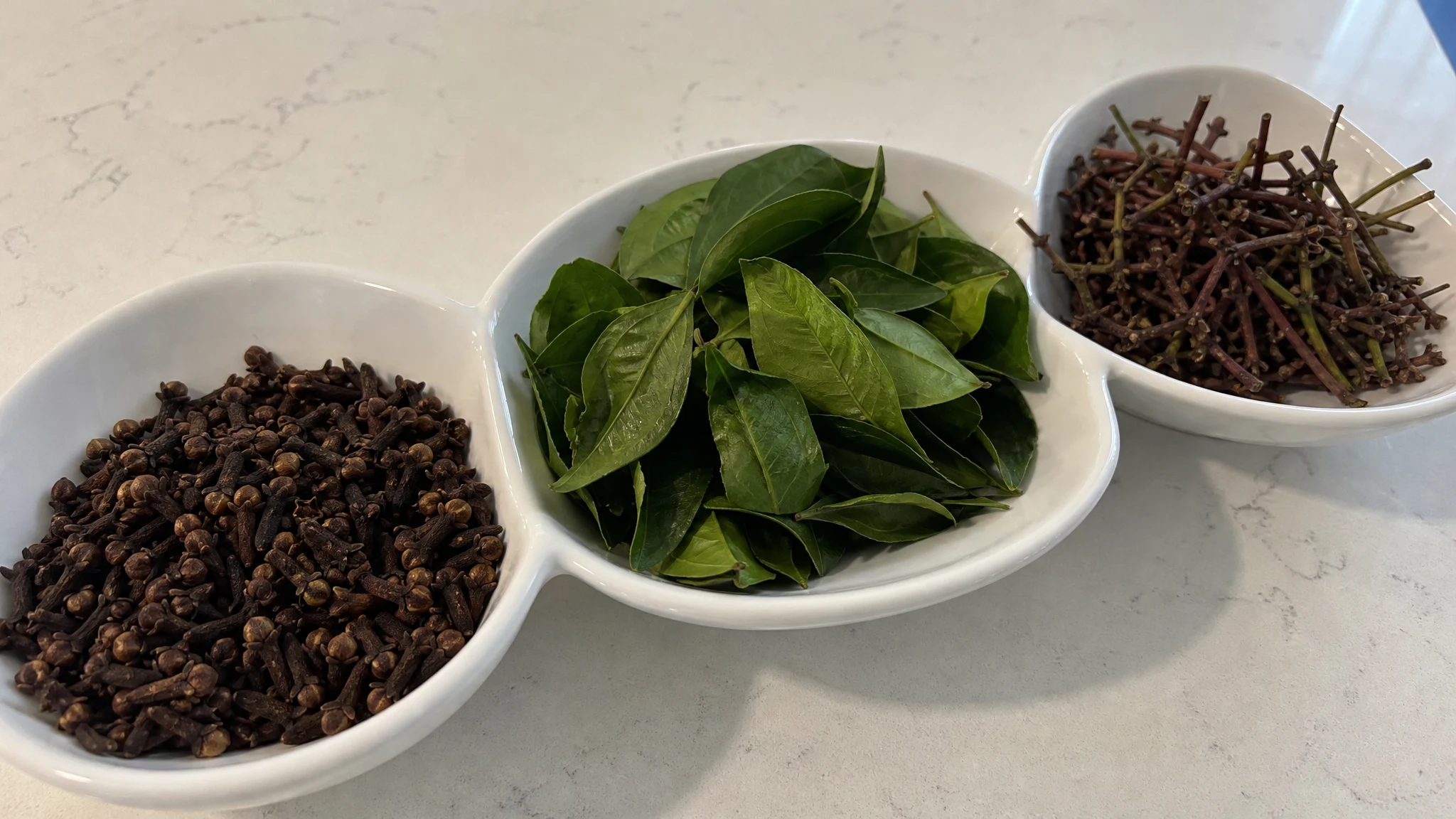
The fragrance wheel moved the vocabulary. In Michael Edwards' 2010 version, as summarised on Wikipedia, the Amber family was "previously Oriental" and splits into Soft Amber, Woody Amber and Floral Amber, with "sweet spices" given as an example for Floral Amber. Customers still say oriental, but the structure is the same: a sweet, resinous, vanilla-leaning base with spice at the edge. Eugenol oil is that edge. We describe ours as warm, spicy and carnation-like, sweeter and more focused than whole clove, and it is happiest in small, weighed amounts.
Why vanilla is a natural partner
Eugenol and vanillin are chemical cousins. A review in Molecules notes that eugenol "was the first natural compound used in the synthesis of vanillin during the late 19th and early 20th century" (Kamatou et al., 2012). That history does not prove the two smell good together, but it is a charming reason to try, and vanilla is one of the partners we list for eugenol oil, along with rose and ylang ylang. Vanillin is a solid, so dissolve it in ethanol before you weigh it into anything; PubChem lists it as soluble in ethanol and melting at 81 to 83 C.
Start with the feeling, not the formula
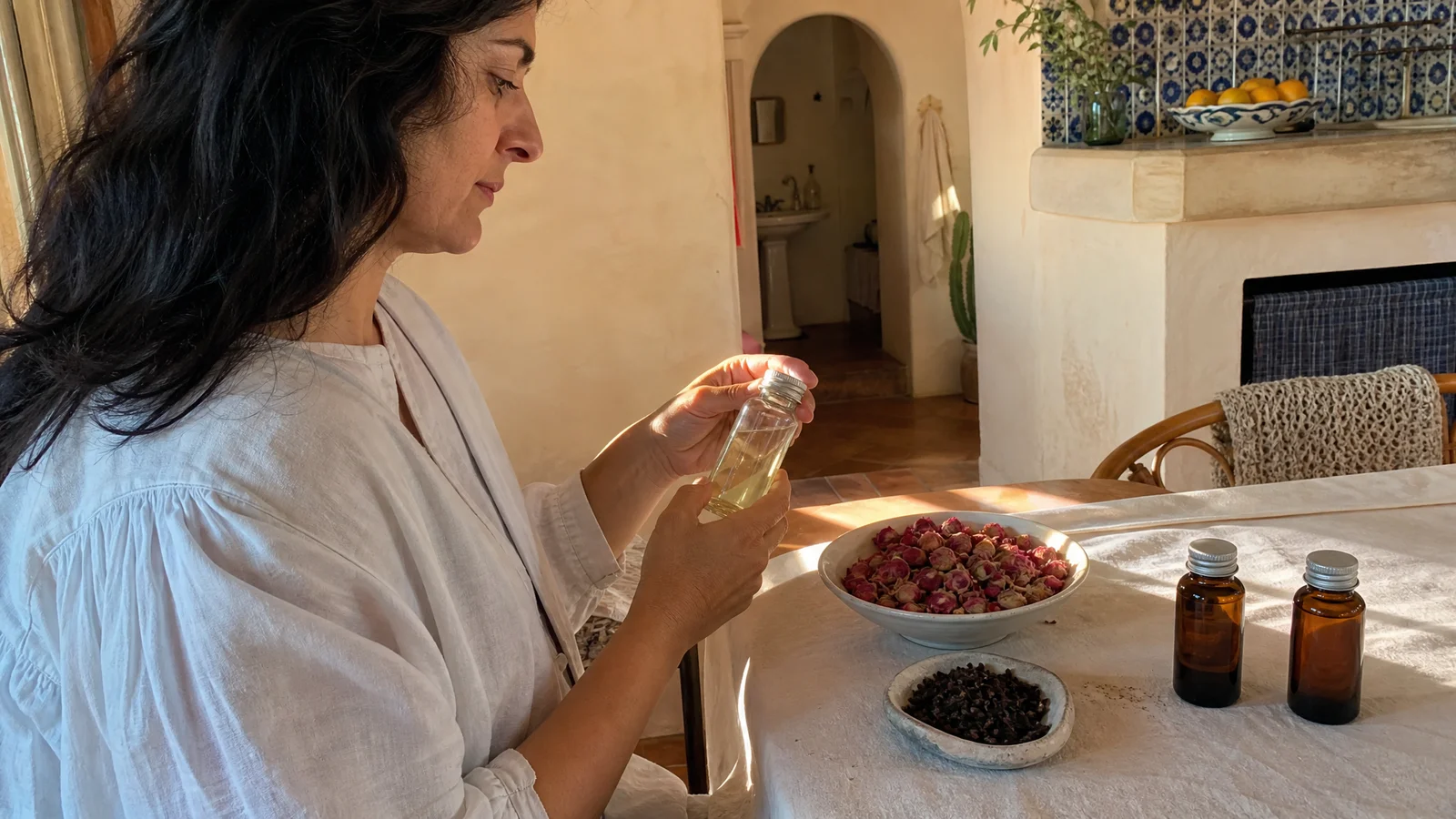
Before anything goes on the scale, decide what the amber should feel like. A glowing, honeyed room at dusk? Something drier and more smoky? Write three words on a card and keep it next to the balance. When a trial drifts, those three words tell you whether the spice needs a nudge or whether you should leave it alone. It sounds fussy, but it saves a lot of reworking.
A skeleton on paper
Here is a sample skeleton for a perfume at 20% concentrate in alcohol, per 100 g of concentrate. The finished perfume is that concentrate diluted five-fold, and each line is checked against its own IFRA Category 4 limit (IFRA Standards, 51st Amendment). It is a formulation worked out from the limits, to adjust by nose.
| Material | g per 100 g concentrate | % of finished perfume | Category 4 limit |
|---|---|---|---|
| Eugenol oil | 2.5 | 0.50 | 2.5% (eugenol) |
| Peru balsam | 1.5 | 0.30 | 0.41% |
| Coumarin | 3.0 | 0.60 | 1.5% |
| Vanillin | 4.0 | 0.80 | no Standard in the contents list |
| Benzyl benzoate | 15.0 | 3.00 | 4.8% |
| Benzyl salicylate | 15.0 | 3.00 | 7.3% |
| Resins, woods, musks and so on | 59.0 | 11.80 | check each one |
The spice uses only a fifth of its ceiling. Measured against each material's own limit, eugenol oil takes 20%, coumarin 40%, benzyl salicylate 41%, benzyl benzoate 63% and Peru balsam 73%. So the balsam is the line to watch as you taste the blend, because it will be the first to cross its limit if you push it up. Benzyl benzoate, incidentally, is the dominant component of carnation absolute at 14% to 15%, according to a commercial perfumery glossary (Première Peau), which is part of why this skeleton leans carnation.
The 59 g remainder is where the character lives: the resins, woods and musks that give an amber its depth. We sell eugenol oil and nothing else, so those come from a perfumery supplier, along with a safety data sheet and IFRA certificate for each. Check each material against its own Standard.
Reading the strip
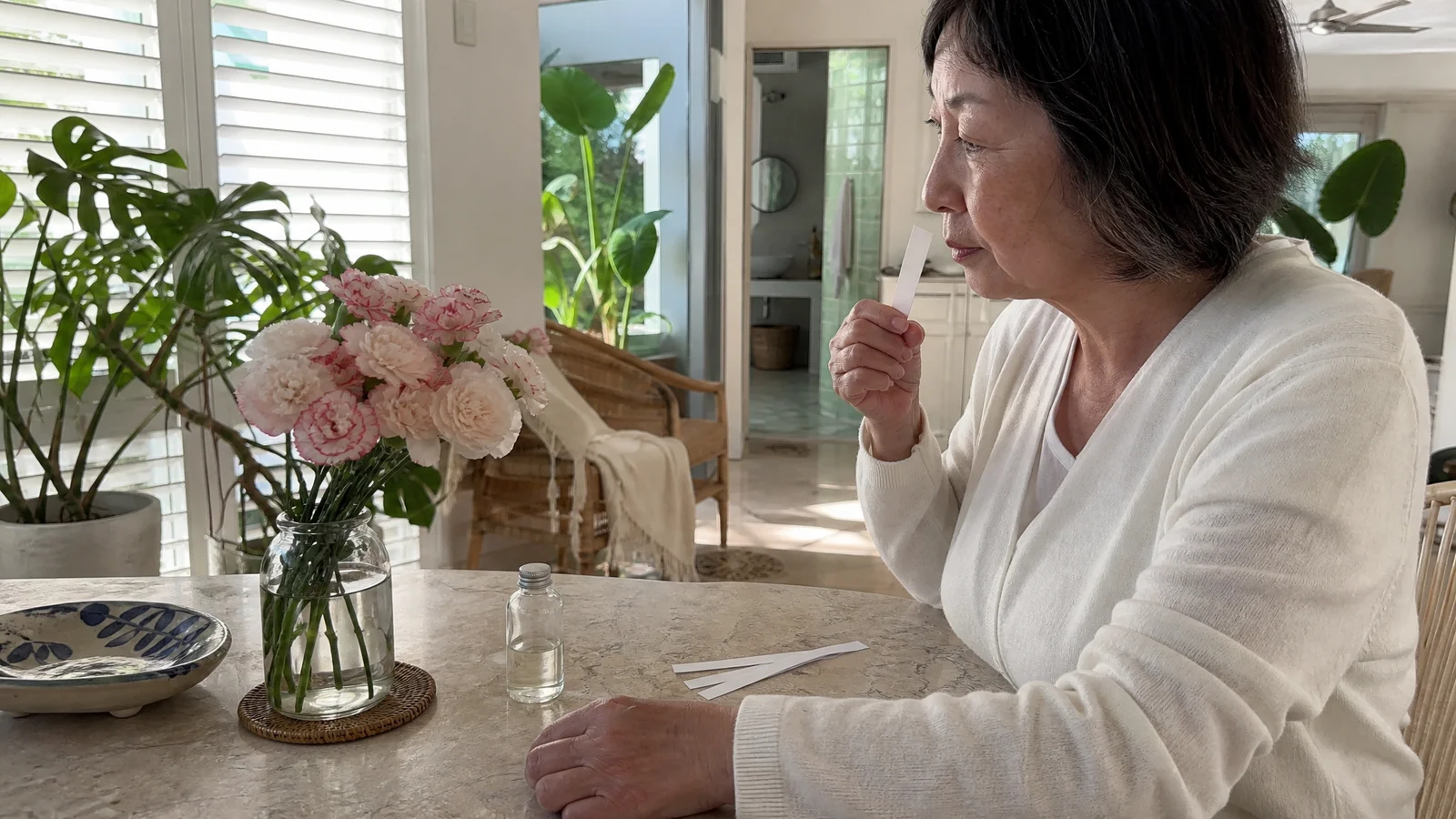
Dip a strip and smell it straight away, then again after ten minutes, then after an hour. You will notice the spice speaks first and the sweet base takes over later, which is exactly the shape an amber should have. If the clove edge is still the loudest thing at the one-hour mark, it is too big for the brief. Cut it back and dip a fresh strip. A good edge is something you notice mostly when it is missing.
Give the finished blend a few days in a closed glass bottle before you judge it. Freshly mixed perfume is a little awkward, like a room where the furniture has just been moved, and it settles into itself with time.
Order of mixing
Reasoning from the solubility data, dissolve the vanillin first, add the balsam next, and put the eugenol oil in last from a weighed 10% stock. That way any adjustment you make later changes the sharpest ingredient least. Our blend calculation guide shows how to build the stock and total the eugenol.
When the product changes
The same concentrate in a body lotion falls under Categories 5A to 5C, where eugenol is limited to 0.64%, a quarter of the Category 4 figure, so the skeleton above needs trimming. For soap see our spiced soap guide, and for room products our wax melt and reed diffuser articles. The IFRA annex figures for natural materials are indicative, so use a GC report for any lot where you have one.
Eugenol is a recognised contact sensitiser. In a 2023 study of 34 people with eugenol allergy, the lowest positive patch test concentration was 0.031% (Ofenloch et al., Contact Dermatitis). Anyone with known fragrance allergy should skip it and ask a dermatologist or allergist, and a small test on your own skin is the sensible first step for everyone else.
An amber built this way is mostly other people's materials with a weighed pinch of ours, which is exactly the shape the job should have. To explore the notes that sit around it, start with what eugenol smells like.
Sources & Further Reading
- IFRA Standards, 51st Amendment (eugenol, coumarin, Peru balsam, benzyl benzoate, benzyl salicylate)
- Wikipedia, Fragrance wheel
- PubChem, vanillin (CID 1183)
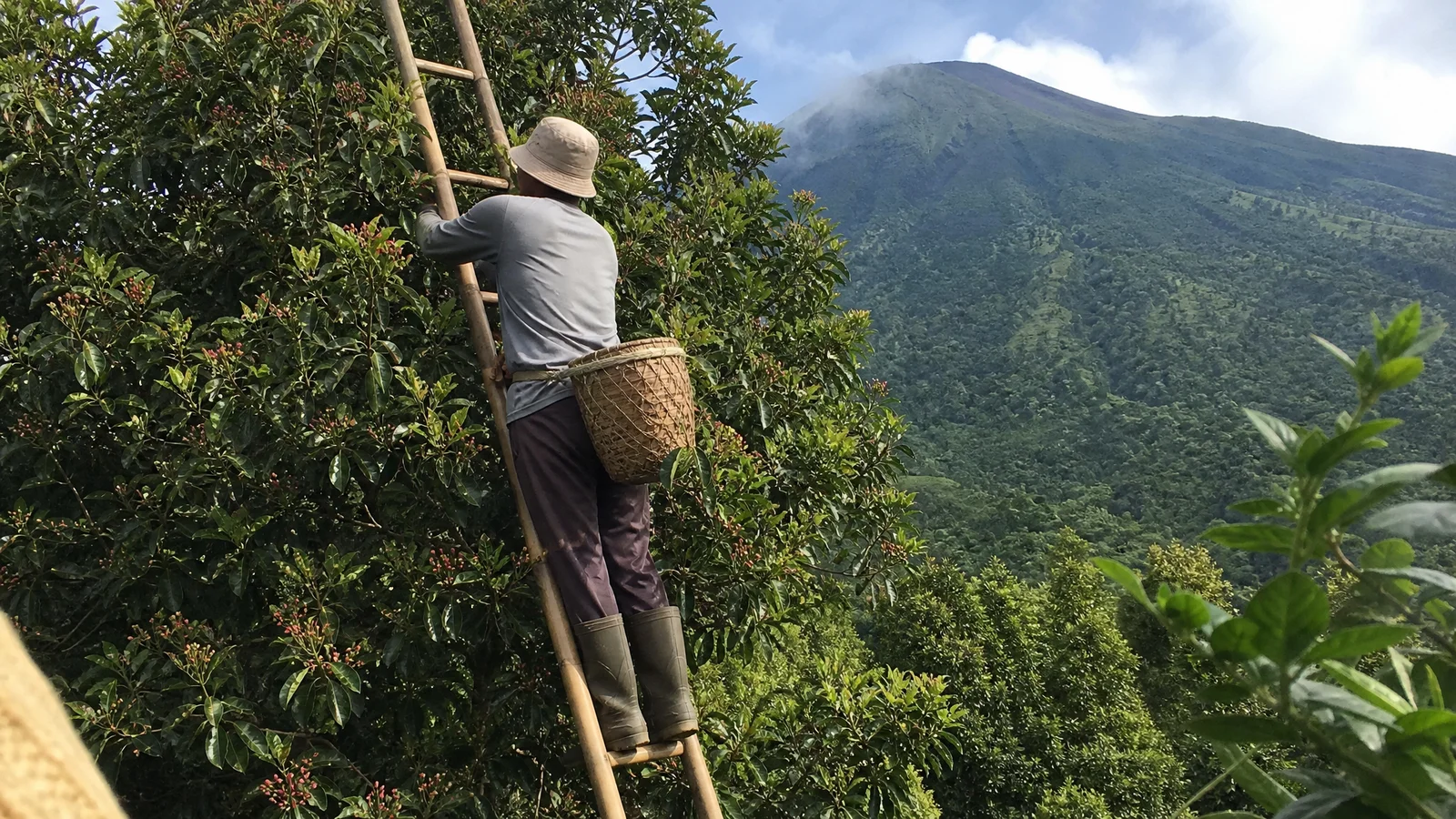
- Kamatou, Vermaak, Viljoen, 2012. Eugenol: from the remote Maluku Islands to the international market place. Molecules
- Premiere Peau, Carnation (glossary)
- Ofenloch et al., 2023. Allergic reactivity for different dilutions of eugenol. Contact Dermatitis