Eugenol Allergy vs Irritation: How to Tell the Difference
Say you dab a little diluted eugenol on your forearm, wait a day, see nothing and decide you are in the clear. It is a sensible-sounding habit, and it is not quite the test it feels like. Eugenol is a recognised fragrance allergen, and allergy follows different rules from irritation: it builds quietly, shows up late and tends to stay.

Two reactions that look alike
Irritation is direct damage. Enough contact with a strong enough material and almost anyone's skin will complain. Allergy is an immune memory. DermNet describes allergic contact dermatitis as a delayed hypersensitivity reaction that typically appears 24 to 72 hours after exposure, and notes that sensitisation is usually life long (DermNet, allergic contact dermatitis).
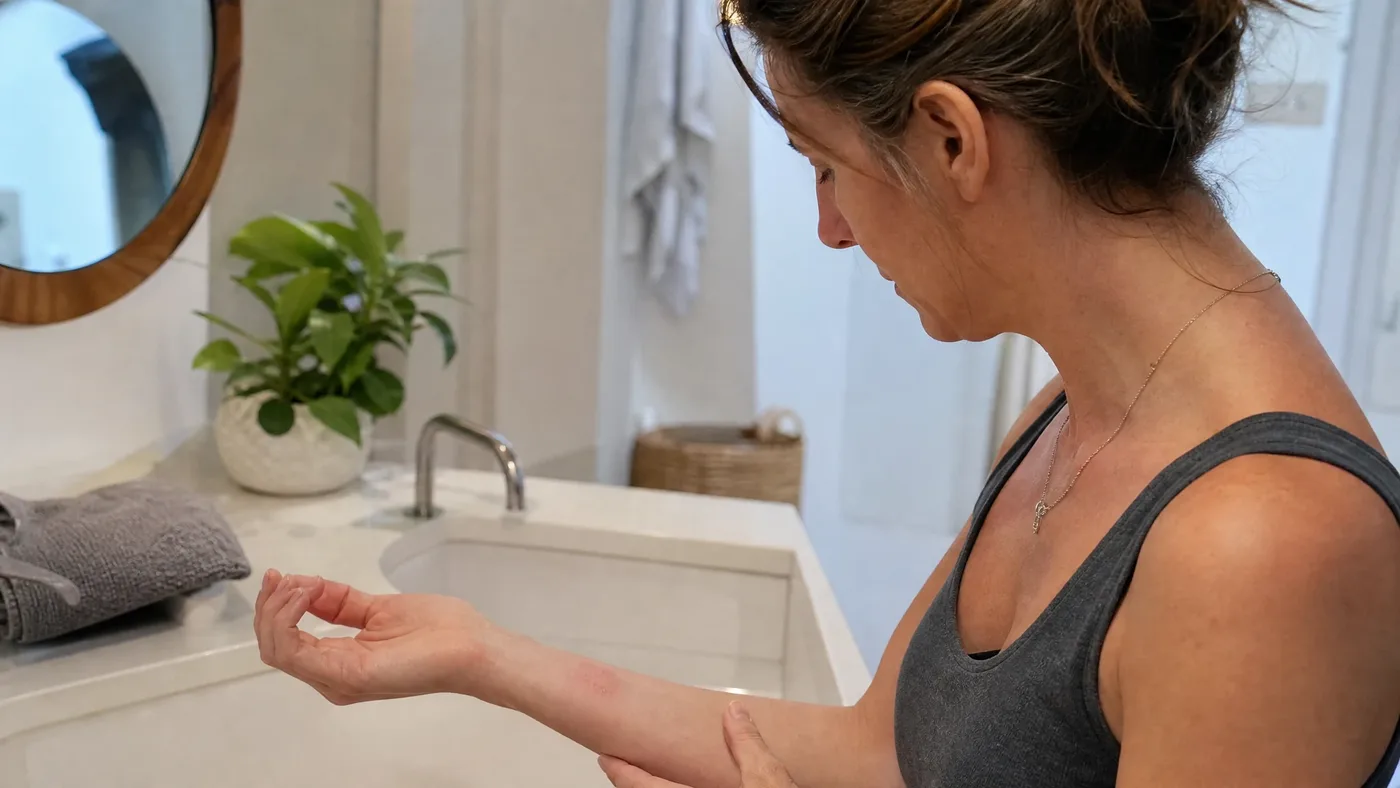
So the pattern to watch for is a red, itchy patch a day or two after contact, on the exact spot that touched the material. Telling the two apart is a job for a dermatologist, and a rash that keeps coming back deserves one.
The smell is not the warning
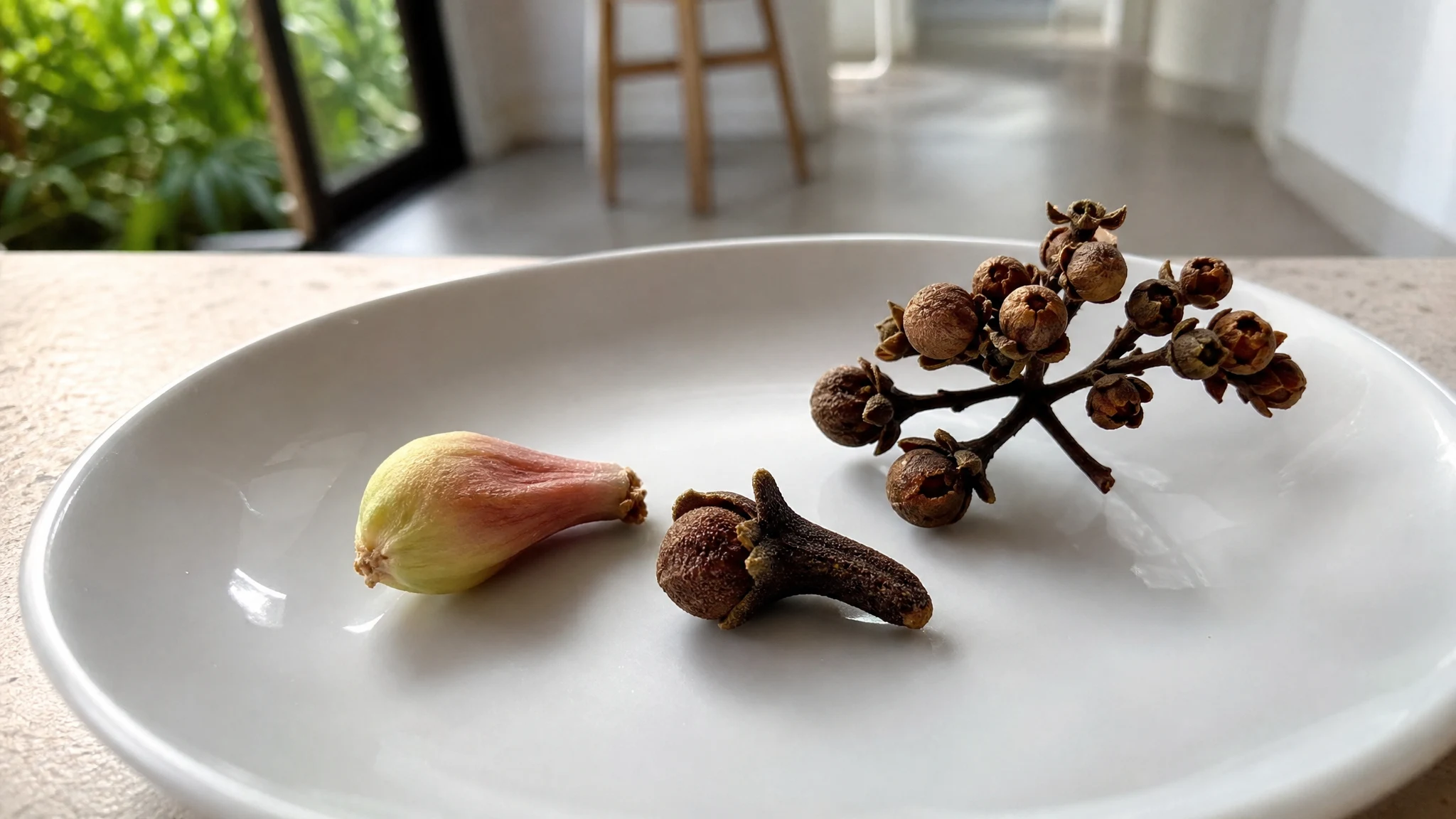
Eugenol smells warm and sweet, a clove-and-carnation note that makes people lean in. That is the trap: a lovely scent invites lingering and sniffing straight from the bottle. How it smells says nothing about how a person's skin will feel about it, so we treat the bottle the same way whether the day's project smells like a bakery or a spice market.
What the clinic studies add
The best recent evidence comes from patch-testing clinics. In a 2023 study, 67 people at six European clinics were tested, 34 of whom had a contact allergy to eugenol. The lowest concentration that gave a positive patch test was 0.031%. Perhaps the most useful detail for makers: in 13 of the 34, a repeat patch test did not reproduce the earlier result, yet 4 of those 13 still reacted during three weeks of repeated open application (Ofenloch et al., Contact Dermatitis, 2023). A single test, in other words, is a snapshot and not a verdict.
An earlier study points a slightly different way. Volunteers, including some already sensitised, applied eugenol at or below the IFRA limit then in force for three weeks and none reacted, though the authors were careful to say they could not rule out a false negative for a weak allergen (Svedman et al., Dermatitis, 2012). The two studies used different designs and different people, so we would not try to force them into one answer. What they share is the practical message: sensitised people can react to small amounts, and no home test settles the question.
A calmer way to work at the bench
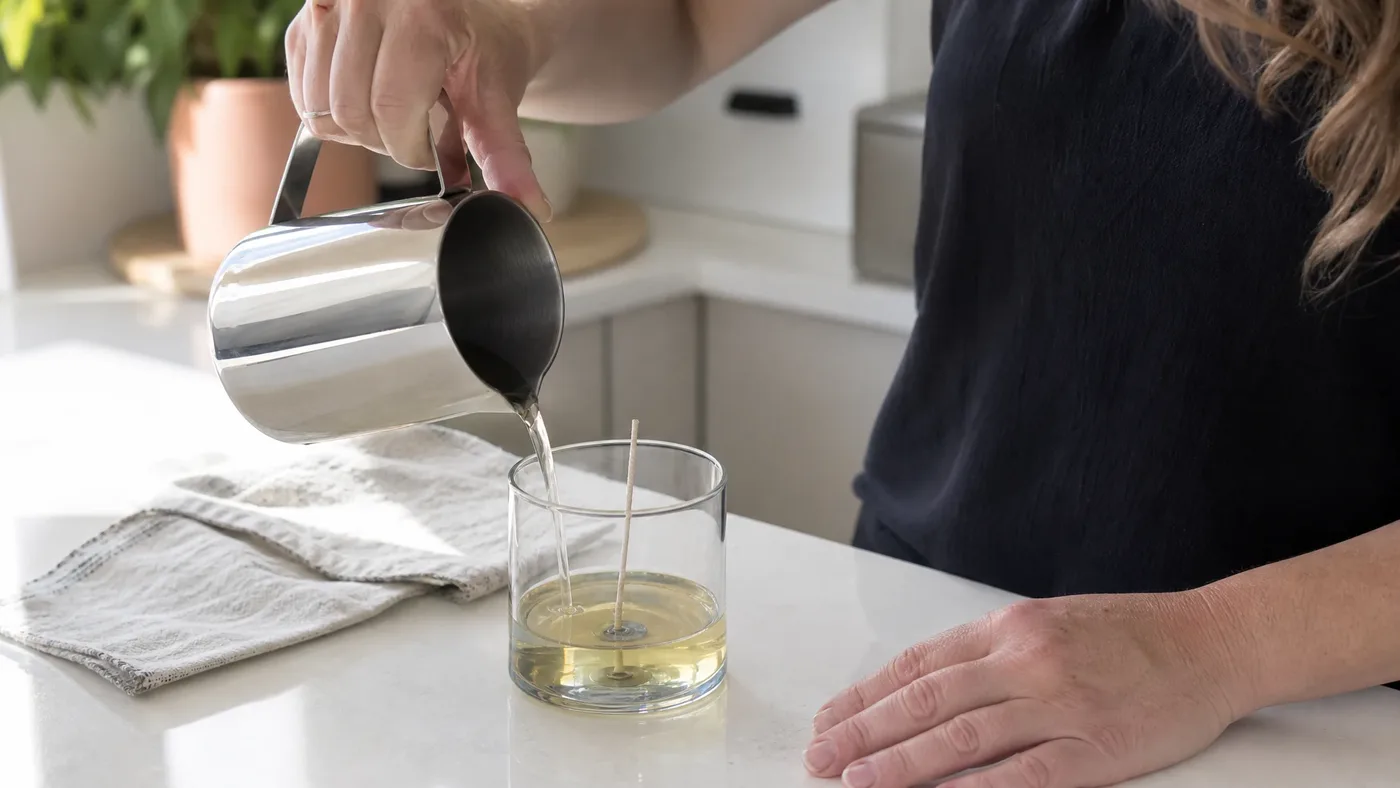
Lay everything out before the bottle opens: scale, beaker, tray, paper towels, gloves. Fewer fumbles mean fewer drips on fingers, and a drip you notice quickly is one you wash off quickly. Label every container as you go, so that a stray jar of diluted oil never gets mistaken for something harmless. Tidy habits do more for you here than any clever trick.
Where a maker meets the most eugenol
Reasoning from the finding that reactions come faster as concentration rises, the biggest dose in a maker's week is the neat material at the bench, not the finished candle or bar of soap. EFSA's 2023 opinion on clove oils, which are mostly eugenol, treats them as skin and eye irritants and as dermal sensitisers (EFSA FEEDAP Panel, 2023). That opinion concerns feed additives made from whole clove oils, so applying it to a refined isolate is our inference, though a reasonable one.
The habits that follow are simple. Wear gloves, work with small amounts, wash your hands afterwards, and keep the bottle away from eyes, children and pets. If you do get a rash after handling it, stop and see a dermatologist rather than testing yourself again.
How we would set the dose
We sell eugenol oil as a concentrated raw material, undiluted, for fragrance work. For anything that stays on skin, we would start around half a percent, which is where our How We Test page puts the ceiling for leave-on products, and we always suggest a patch test first as a minimum, not a clearance.
For anything you sell to other people, the number that matters is the IFRA limit for your product category. For the finished product, the current Standard allows 0.64% in body creams, oils and lotions, 2.5% in fine fragrance and 4.9% in soap, and our IFRA explainer works through the rest with arithmetic. Limits are set for a typical user, so they protect most people without promising that no one will react.
Being straight with the people you sell to
- Anyone with a known fragrance allergy, or a positive fragrance-mix patch test, should skip products with eugenol in them. Eugenol and isoeugenol both appear in the standard fragrance mix, so a dermatologist can tell them which one they reacted to.
- Name eugenol on the label where your market requires it (our labelling guide covers the rules), and steer clear of reassuring claims such as "gentle on every skin".
- Our guides to safe handling and compliance questions cover the day-to-day side.
Eugenol is a lovely, warm material to work with, and a little respect at the bench goes a long way. For questions about your own skin, a dermatologist is the right person to ask.
Sources & Further Reading
- DermNet. Allergic contact dermatitis. dermnetnz.org/topics/allergic-contact-dermatitis
- Ofenloch RF, et al., 2023. Allergic reactivity for different dilutions of eugenol in repeated open application test and patch testing. Contact Dermatitis. pubmed.ncbi.nlm.nih.gov/37218587
- Svedman C, et al., 2012. Does the new standard for eugenol designed to protect against contact sensitization protect those sensitized from elicitation of the reaction? Dermatitis. pubmed.ncbi.nlm.nih.gov/22653067
- EFSA FEEDAP Panel, 2023. Safety and efficacy of feed additives consisting of essential oils derived from the flower buds or the leaves of Syzygium aromaticum. EFSA Journal. PMC10375362
- IFRA, 2023. IFRA Standards, 51st Amendment, Eugenol (CAS 97-53-0). ifra-standards-51st-amendment.pdf