Cats, Dogs and Eugenol Oil: A Room-by-Room Walk
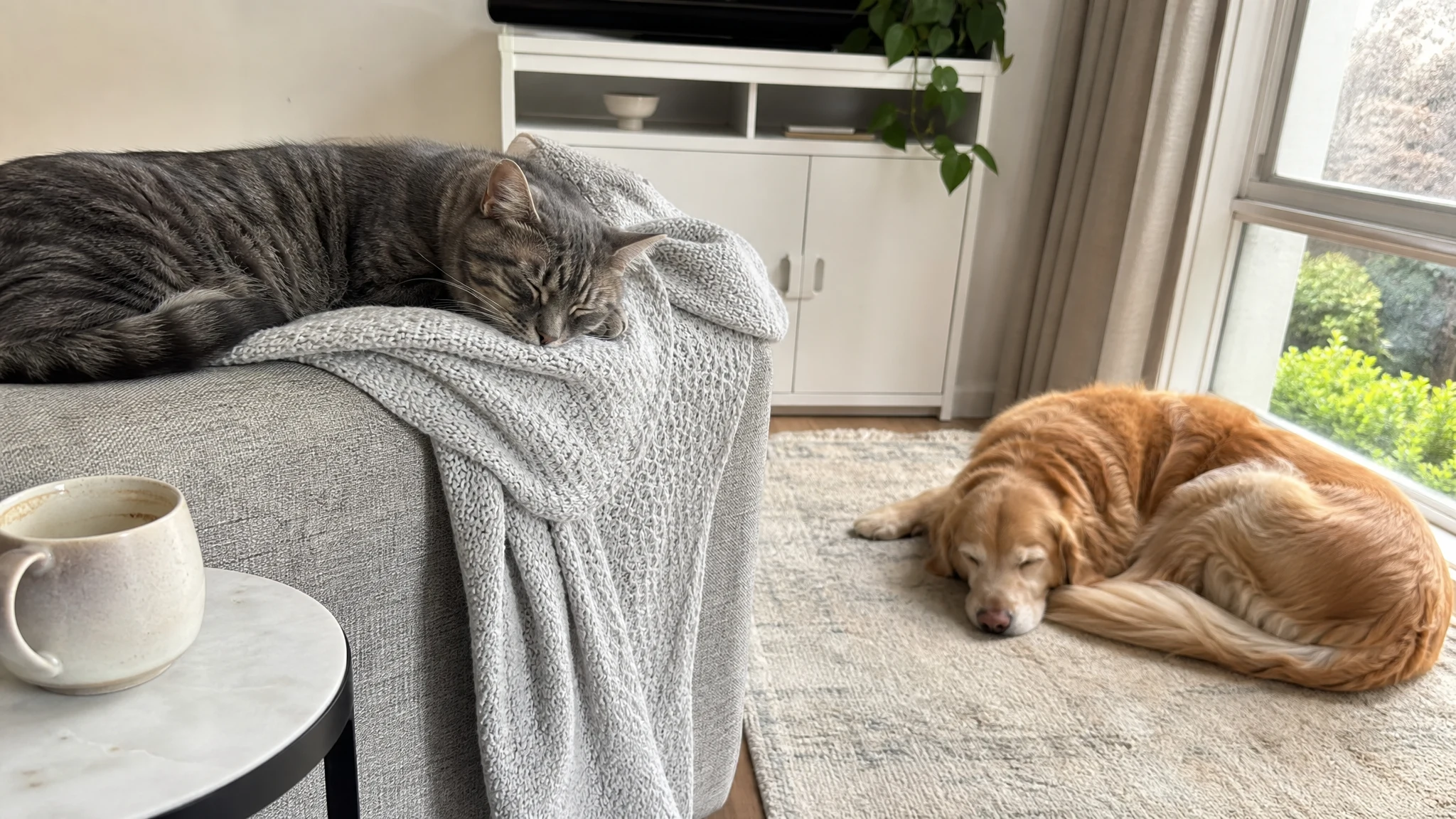
Cats go everywhere a person goes, only lower and quieter. They end up on the craft table, the bathroom shelf and the warm spot above a candle, and a dog will nose into any dish left at floor height. If eugenol oil lives in your house, the useful question is not whether a label says anything about pets. It is where, in your own rooms, an animal could meet it.

What the poison-control groups say
Two sources are worth knowing. The ASPCA says plainly that cats are especially sensitive to essential oils and that it would not recommend using any essential oils in areas where pets have access ( Pet Poisons: Be Mindful of these Household Products and Cleaning Agents ). Pet Poison Helpline says essential oil poisoning can affect all species, with cats and birds at the greatest risk, and it names clove among the oils that can cause it ( Essential Oils ).
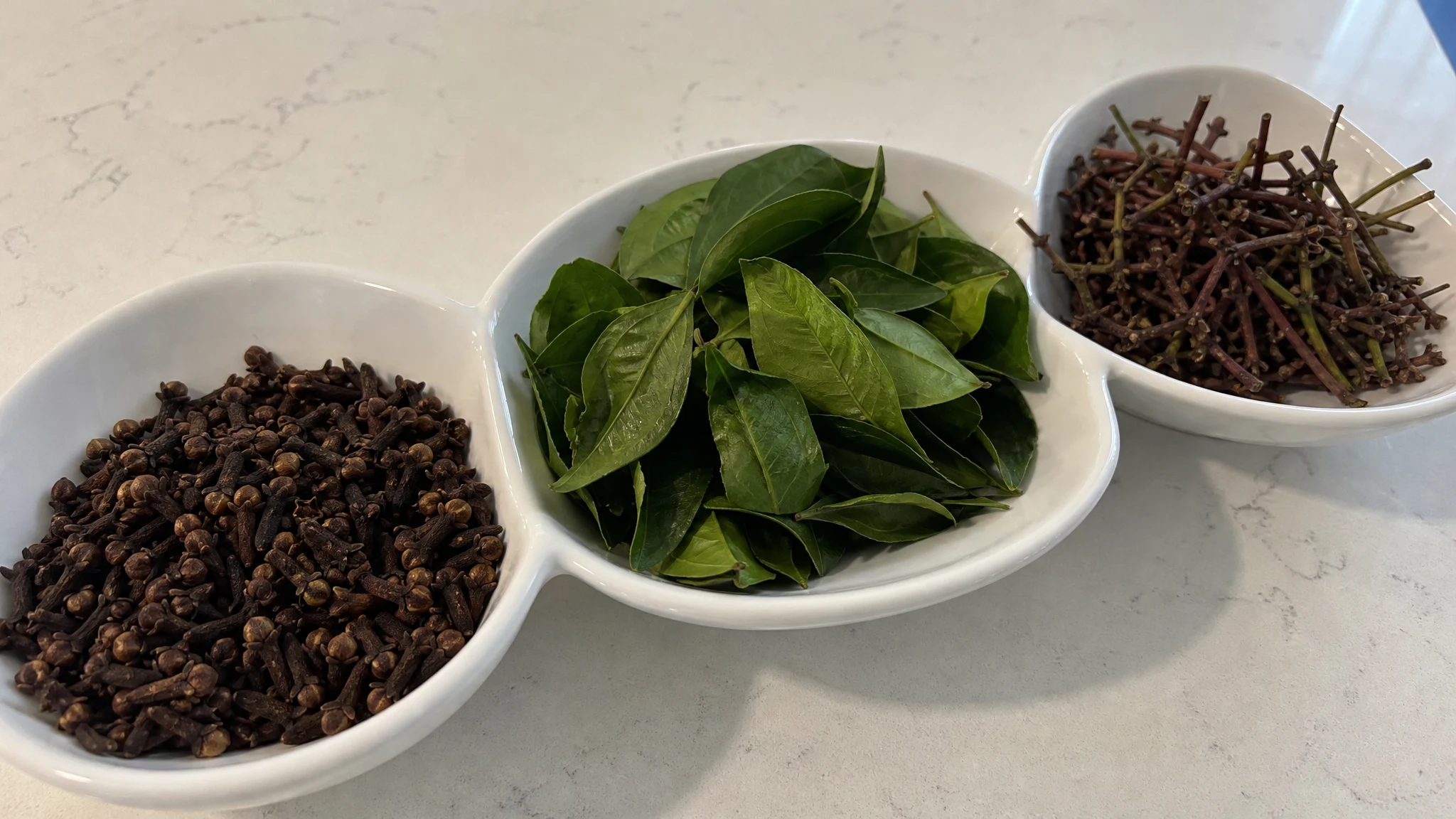
Our eugenol oil is a refined isolate taken from clove oil, and we say outright that it is not an essential oil. We do not lean on that difference. Eugenol is the main component of clove oil, so we treat the advice as applying to it, and we sell it as an external fragrance material for makers, not for animals or for any therapeutic use. Questions about a particular animal belong with your veterinarian.
Why cats come up first
Cats are missing a working copy of a liver enzyme gene, UGT1A6, that helps clear phenolic compounds. A 2011 study dated that loss to between 11 and 35 million years ago and found it across the cat family ( Evolution of a major drug metabolizing enzyme defect in the domestic cat and other felidae: phylogenetic timing and the role of hypercarnivory ). The authors were studying drugs, not fragrance. Eugenol is a phenol, so reading their finding as a reason for extra care is reasonable, but it is our inference and not a measured threshold. Dogs are not singled out by either source above, and we would not read that as a free pass; both groups say any species can be affected.
A walk through the house
The workspace
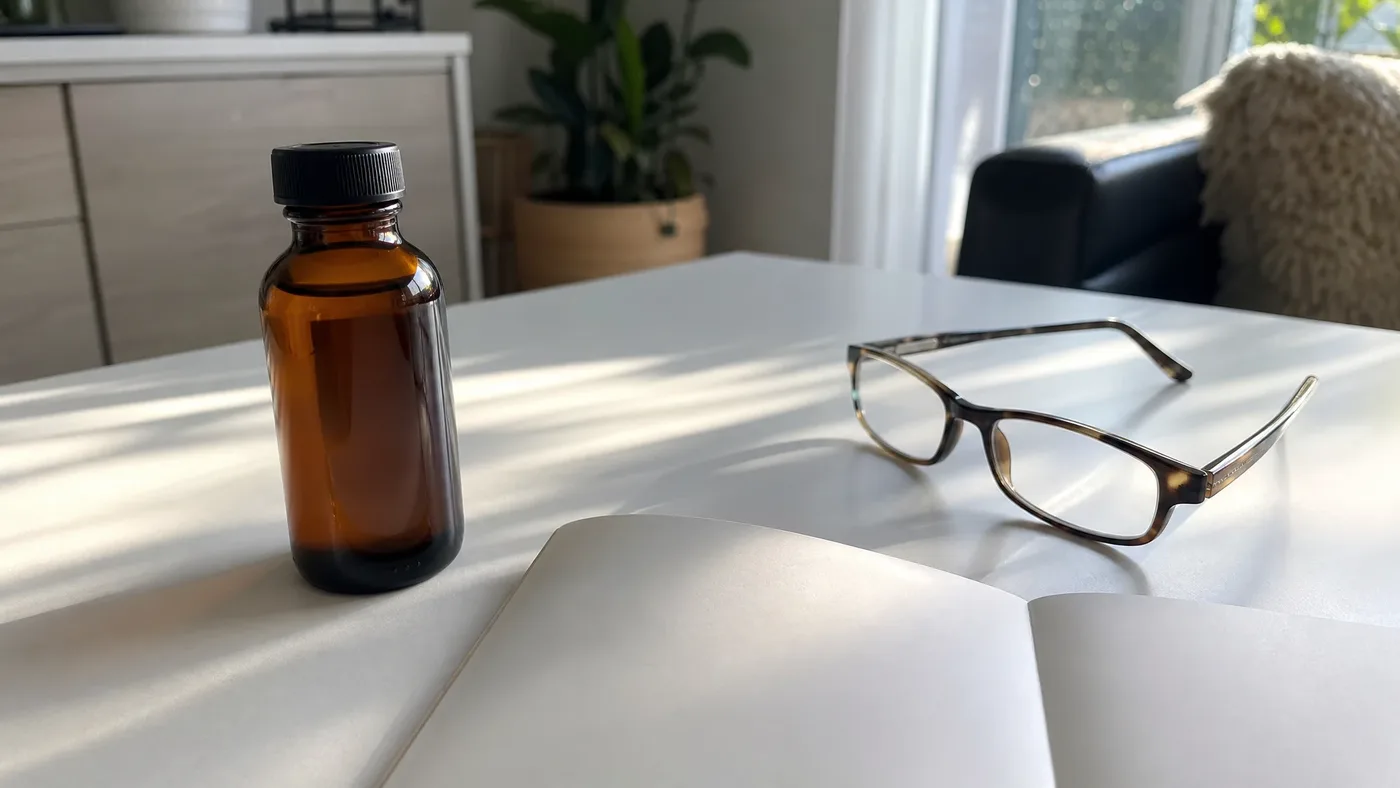
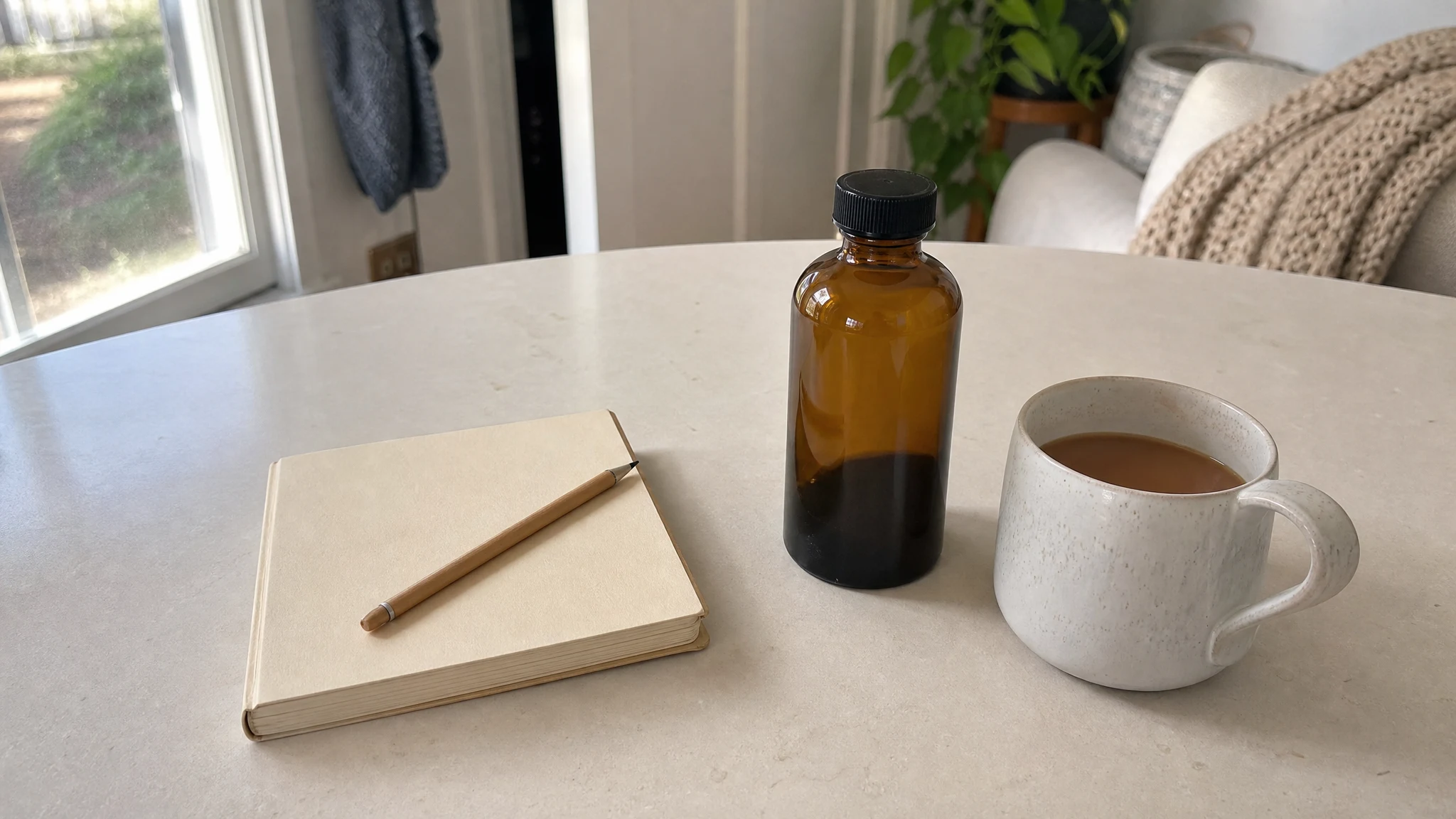
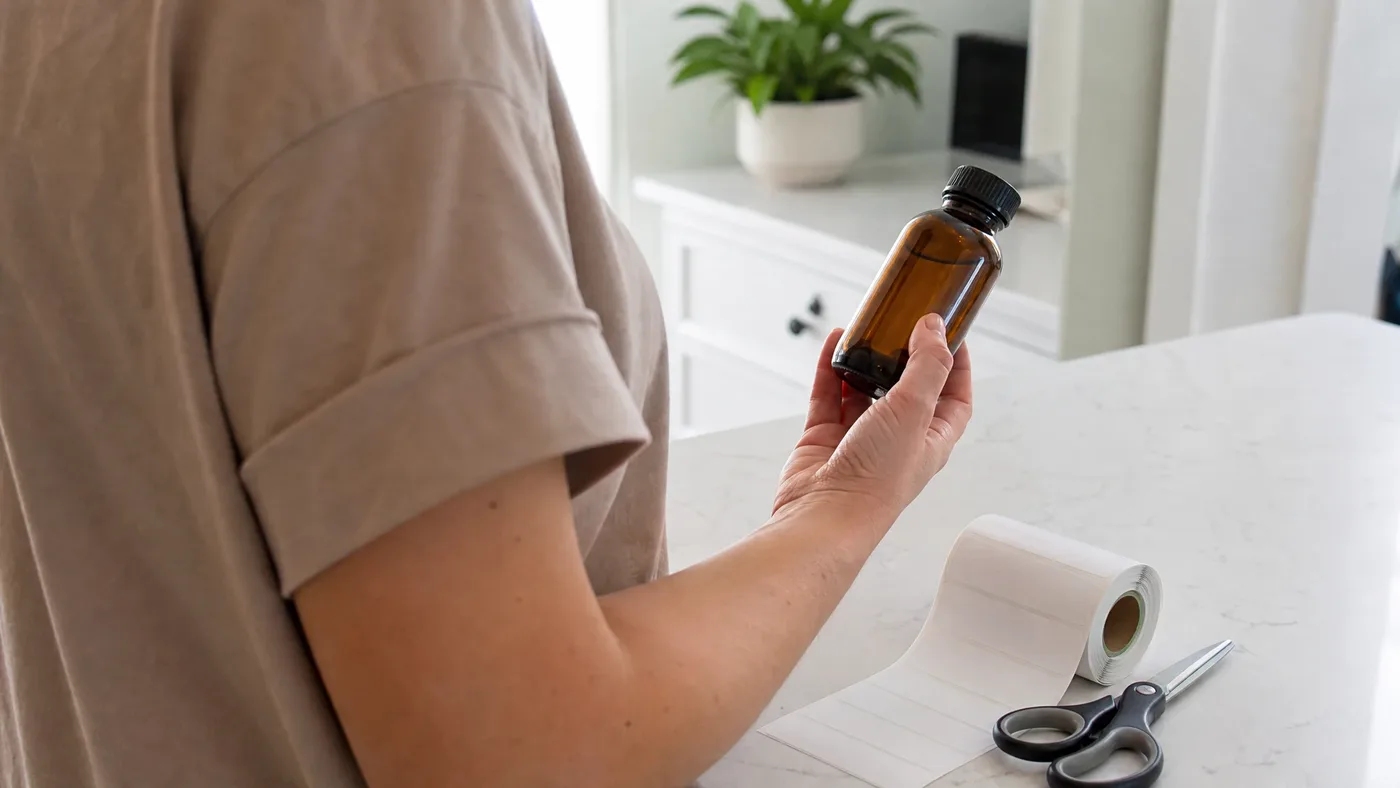
This is where the neat oil lives, and neat oil is the most concentrated form an animal could meet. Keep the bottle capped and in a closed cupboard or box, not on an open shelf, and work somewhere a pet cannot wander in. Our guidance is to keep it away from eyes, children and pets and out of casual reach. Our handling guide covers spills, and a spill is worth wiping up straight away with paper you then bag and bin, since a cat will happily walk through a puddle and groom it off its paws.
The living room
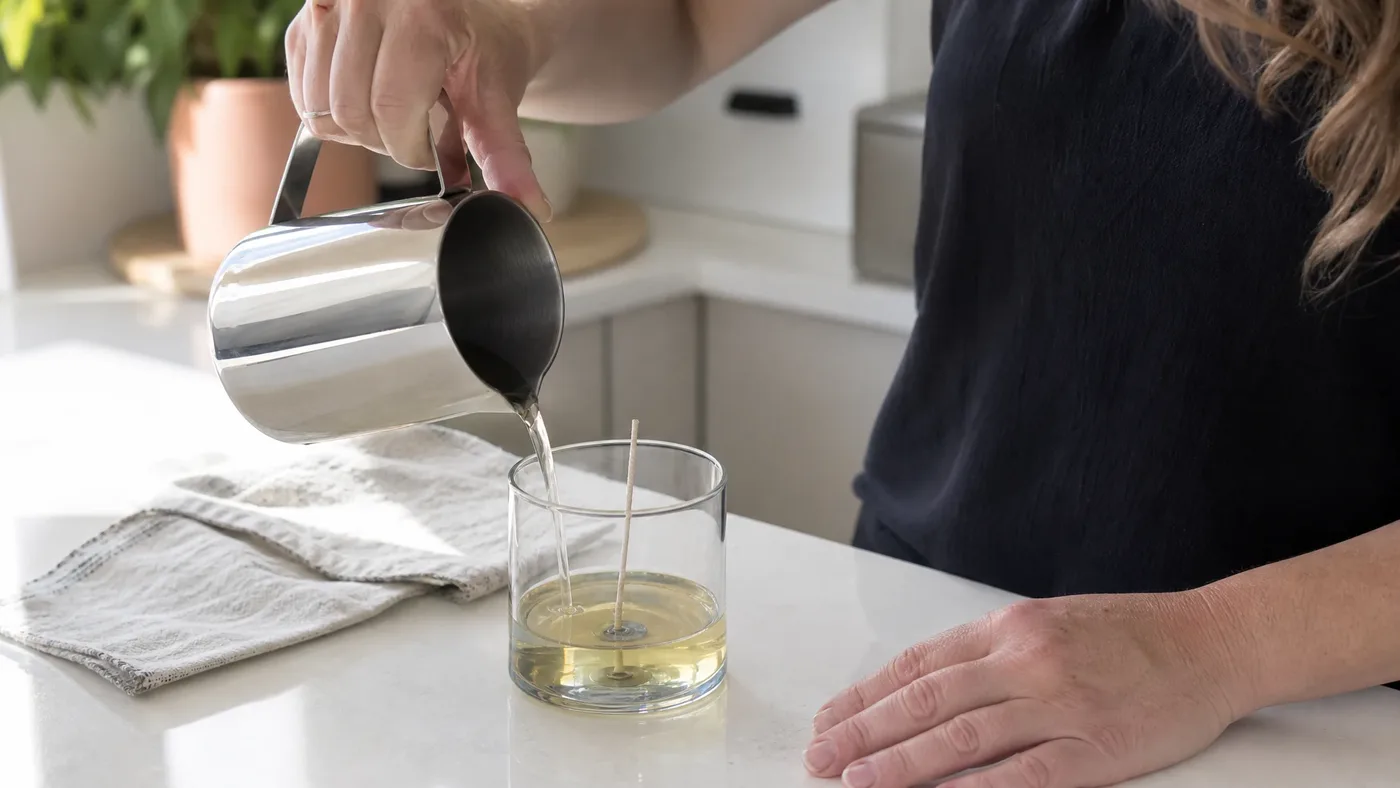
A candle, a reed diffuser or a dish of wax melts is a different situation from a bottle: the eugenol is a small part of a scented product. Placement still matters. Put them high, away from the sofa arm, and out of reach of a tail. For the formats themselves see reed diffusers and wax melts. A bowl of potpourri or a sachet on a low table is a licking and chewing risk, which is why we would put those out of reach or leave them out of a home with animals. If you are scenting a gift for someone else, ask whether they have pets.
The laundry and linens
A freshly sprayed throw is the easy one to miss, because cats sleep on exactly the fabric you just scented. Let it dry, keep it off the pet bed, and remember a mist puts more into the air than a passive scent does. Our notes on linen spray go into how much liquid that really is.
The bathroom
Spiced soap sits at the edge of a sink where a dog can lick a wet bar. Keep it on a high dish.
If an animal is exposed
Pet Poison Helpline lists drooling, vomiting, lethargy and loss of appetite as the most common signs, usually appearing within 6 to 8 hours. Its guidance is to move an animal that breathed fumes into fresh air, to wash skin contact with liquid dish detergent, to dilute an oral exposure early with water or food, and not to induce vomiting. We are a shop, not a clinic, so treat that as the outline and let a professional steer. Call your veterinarian or the ASPCA Animal Poison Control Center hotline at (888) 426-4435 right away, and have the product to hand.
The calmest home for a cat is one where the strong smells stay in the workroom and the animals never have to think about them. That is a habit, not a gadget, and it costs nothing.
Sources & Further Reading
- Pet Poisons: Be Mindful of these Household Products and Cleaning Agents, ASPCA
- Essential Oils, Pet Poison Helpline
- Evolution of a major drug metabolizing enzyme defect in the domestic cat and other felidae: phylogenetic timing and the role of hypercarnivory, Shrestha et al., PLoS One 2011