How Much Eugenol Oil Can You Put in Soap?
Here is a surprise for soap makers: the regulatory ceiling for eugenol in bar soap is generous. It is your nose and your process that run out of room first. The trick is knowing the real numbers, and counting all the eugenol, not just what comes from the bottle labelled eugenol.

What IFRA actually allows
IFRA's eugenol standard sets maximums by product category, expressed as eugenol in the finished product. Bar soap, body wash and bath gels sit in category 9, with a limit of 4.9%. Compare that with 0.64% for body creams and lotions (IFRA Standards, 51st Amendment). Rinse-off earns a roomier limit, which fits the product leaving the skin quickly. The Standard also asks you to count eugenol whether it is added directly or arrives inside a natural oil.
Why the limit rarely binds
Try the arithmetic on a batch with 1,000 g of oils. Soap suppliers typically test fragrance at about 5% of oil weight (CandleScience uses 5% unless IFRA is lower), which is 50 g of fragrance. A 4.9% limit applied even to the oil weight alone would allow 49 g of eugenol, and the finished bar weighs more than the oils, so the real allowance is a little higher still. That is roughly the entire fragrance. Reasoning from those numbers, a soap maker is unlikely to hit the cap with a sensible fragrance load. What stops you is scent: eugenol is dominant, and past a modest share you are making a one-note soap, not a spiced one.
The limit does matter for the product you may make next to it. Our IFRA article shows how quickly the numbers tighten when a bar becomes a lotion or a solid perfume.
Count the eugenol you did not add on purpose
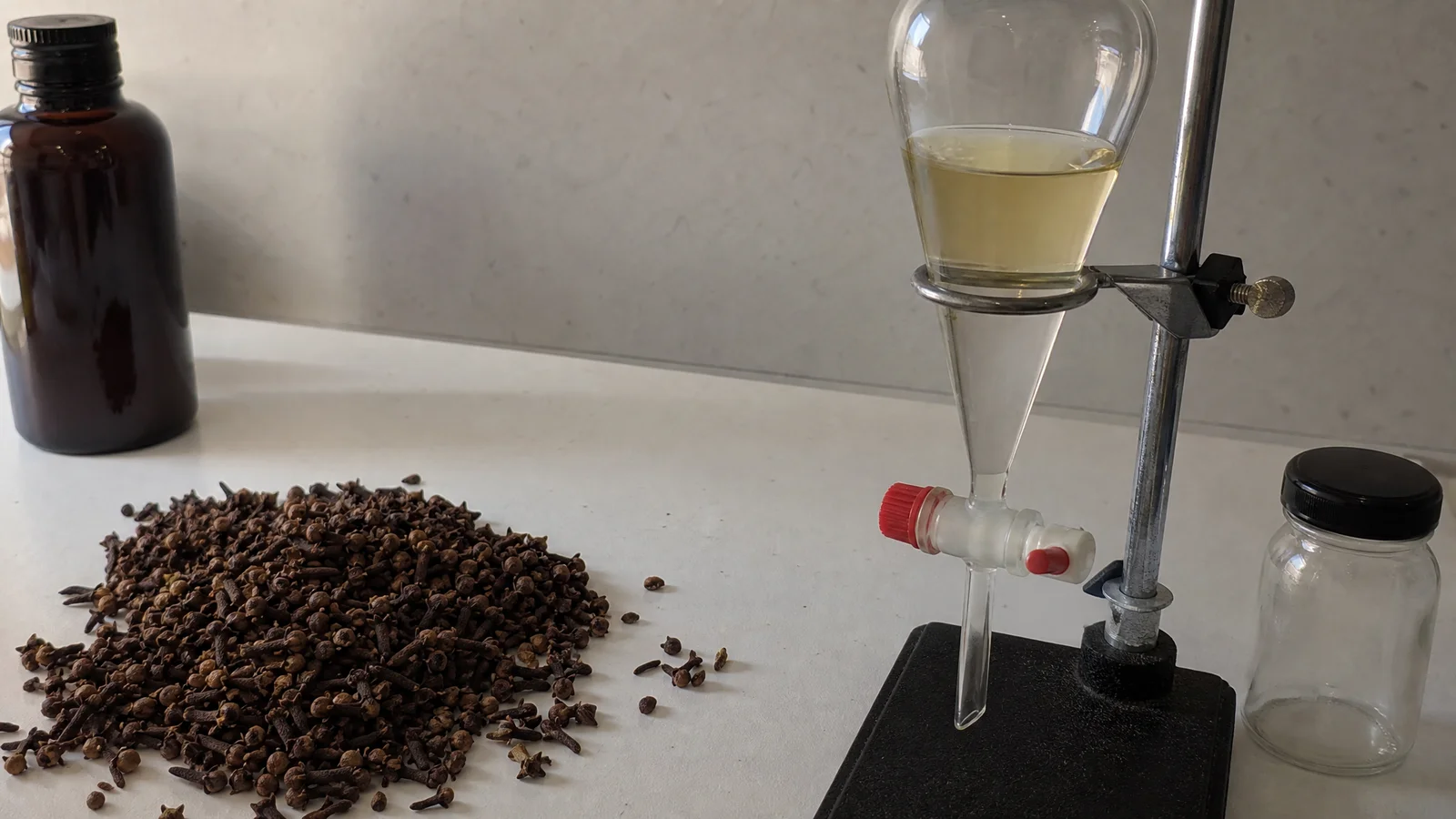
Clove and cinnamon leaf oils are mostly eugenol, so a spice blend can carry far more than its label suggests. In EFSA's clove bud oil batches the average was 75% eugenol and in leaf oil 83% (EFSA FEEDAP Panel, 2023). Then add the eugenol oil itself. A worked example on a 1,000 g oil batch: 6 g of clove bud oil carries about 4.5 g of eugenol, and 4 g of eugenol oil (counted at an assumed 98%, so use your lot's assay) adds 3.9 g, for roughly 8.4 g, or 0.84% of the oils. Fine against 4.9%, and a good reminder that your sheet should have a column for it. Our blend calculation article walks the method.
Reading the scent before the math
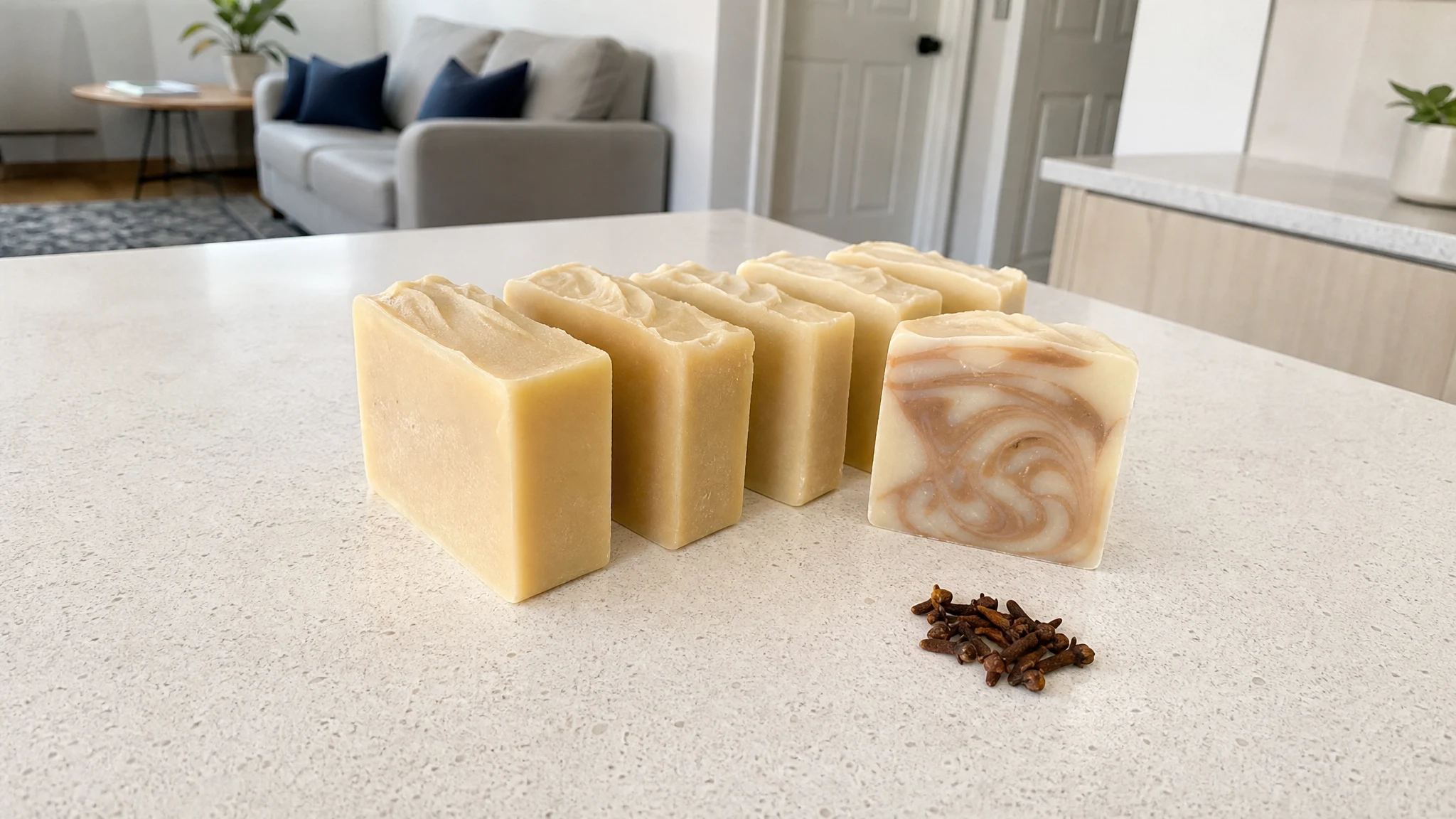
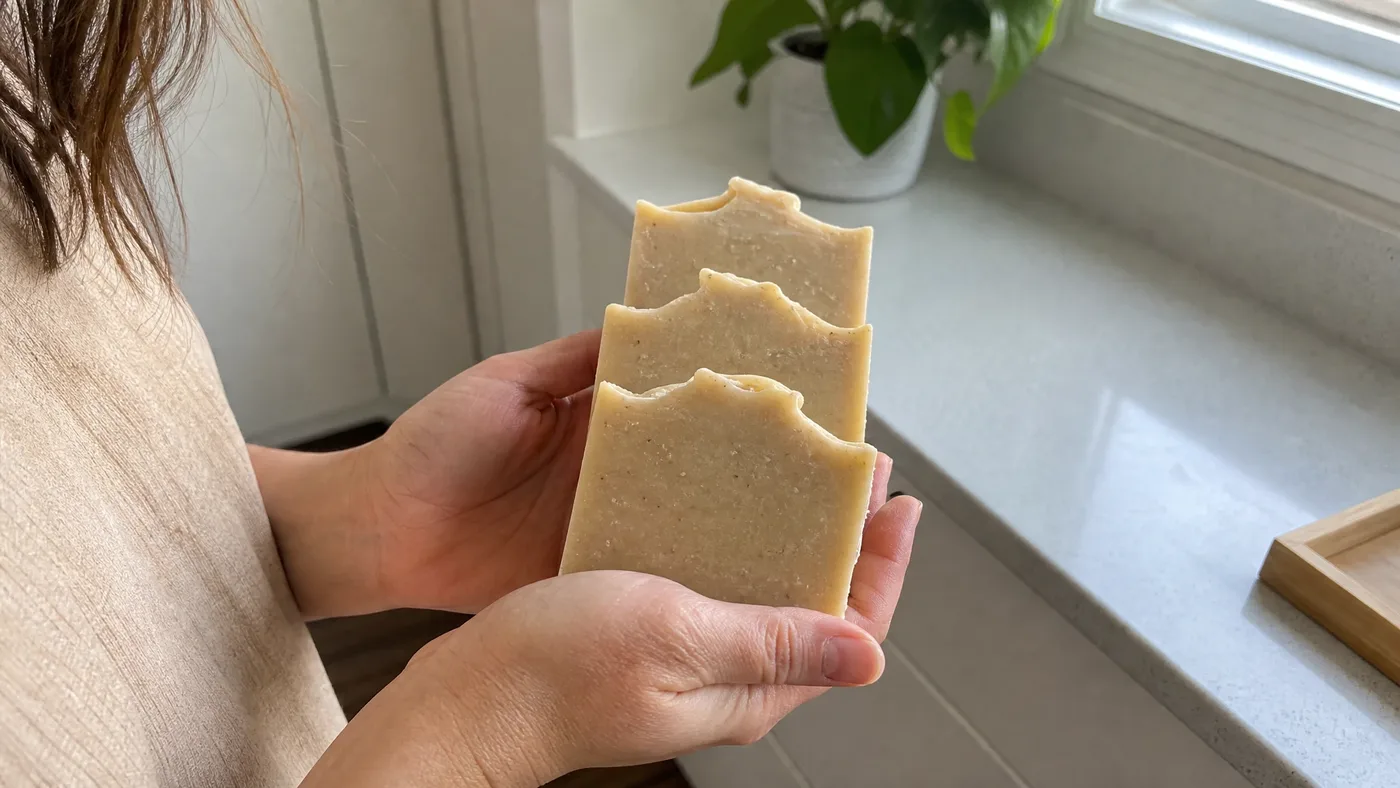
Lift a cured bar of any spiced soap to your nose and you will notice that the first impression is the loudest one. Eugenol is that kind of ingredient: warm, spicy, a little sweet, and quick to announce itself. Rose, ylang ylang and vanilla are the partners we like beside it, and they come from your aroma supplier. Start well under any ceiling and let your nose, not the spreadsheet, tell you when the bar is saying enough.
Pick one basis and stay on it
Soap suppliers state fragrance as a fraction of oil weight, while IFRA states a fraction of the finished product. Dividing a limit across oil weight alone is the cautious reading, because the finished bar weighs more, and we favour that choice. Whatever basis you use, write it on the batch sheet.
The formula, and a table
- Fragrance grams = oil grams x fragrance rate
- Eugenol grams = fragrance grams x eugenol share of the blend
- Eugenol as % of oils = eugenol grams / oil grams x 100
| Oil weight | Fragrance at 5% | Eugenol at 20% of fragrance | % of oils |
|---|---|---|---|
| 500 g | 25 g | 5 g | 1.0% |
| 1,000 g | 50 g | 10 g | 1.0% |
| 2,000 g | 100 g | 20 g | 1.0% |
The last column never changes, which is the benefit of working in percentages: scale the batch and every row moves together. These figures show the method and are not a recommended rate.
Is it a soap, legally?
The FDA's soap FAQ says a product with synthetic detergents is a cosmetic, as is one intended to moisturise or make the user smell nice (FDA, Frequently Asked Questions on Soap). That affects labelling and oversight, not the IFRA category, which follows how the product is used. A cosmetic regulatory specialist can tell you which paperwork applies.
A notebook habit that pays off
Write the oil weight, the fragrance weight and the basis you used on every batch card before you pour. Leave room beside it for what you notice at unmoulding, a week in and at the end of the cure: how strong the scent is, whether the colour has drifted toward tan, how the bar feels in the hand. After a few batches that page becomes your own usage guide, which is worth more than any table we could print.
Proving it on your bench
Make a small unscented control and a small eugenol batch with the same oils, and judge scent and colour at unmoulding and again after a full cure. Wholesale Supplies Plus suggests four to six weeks (Wholesale Supplies Plus). If the bars are for anyone with a fragrance allergy, for a baby or for broken skin, ask an allergist or dermatologist first. Handle the neat oil gently: small amounts, hands washed afterwards, away from eyes, children and pets.
Write the limit down, count every source of eugenol, and let the scent decide how far under it you want to stay.
Sources & Further Reading
- IFRA, 2023. IFRA Standards, 51st Amendment, eugenol entry. ifra-standards-51st-amendment.pdf
- EFSA FEEDAP Panel, 2023. Safety and efficacy of clove bud oil and clove leaf oils. pmc.ncbi.nlm.nih.gov/articles/PMC10375362
- CandleScience. Process for cold process soap fragrance testing. candlescience.com
- Wholesale Supplies Plus. Testing fragrances in cold process soap. wholesalesuppliesplus.com
- US FDA. Frequently Asked Questions on Soap. fda.gov