Using Eugenol in Melt and Pour Soap
Melt and pour is the friendliest way into soap: no lye, no waiting, a bar in an afternoon. Eugenol fits it well too, as long as you start with the right piece of paper. That paper is not an IFRA table. It is the spec sheet for your base.

The base maker speaks first
Each base manufacturer publishes how much fragrance, and how much of everything else, its base will take before it starts to sweat, soften or discolour. That number is specific to the base and can be quite small, and it caps your whole fragrance, not only the eugenol. So the first line of your calculation is the base's own maximum, and eugenol is a share of what fits under it.
The IFRA ceiling comes second. For bar soap (category 9), IFRA's eugenol limit is 4.9% of the finished product (IFRA Standards, 51st Amendment). Reasoning from the arithmetic, a base that allows only a small percentage of total fragrance will keep you far below that figure even if the fragrance were mostly eugenol. In other words, the base sheet and your nose will limit you long before regulation does. Counting still matters, though, because eugenol from clove or cinnamon leaf oil adds to the total. Our blend calculation article shows how.
The arithmetic for a pour
Eugenol in grams = base weight x fragrance fraction x eugenol share. Say you pour 1,000 g of base at a fragrance level of 1%. That is 10 g of fragrance, and if eugenol makes up 5% of it, you are weighing out half a gram. This is an illustration, not a recipe.
Half a gram is hard to measure on a kitchen scale, so use a 0.01 g scale or make a weighed stock: one part eugenol oil with nine parts of a carrier oil you have checked is compatible with your base, then weigh the stock. Carrier oils come from a craft or soap-supply seller; we sell eugenol oil only.
Heat, gently
Melt the base according to its sheet, let it cool toward the lower end of its pour window, and stir the fragrance in just before pouring. Two reasons. Some base makers warn that overheating can darken their soap, and a hot melt carries away light aroma molecules first. And while neat eugenol's flash point is above 100 C, per PubChem (PubChem, eugenol), a blend is limited by its most volatile ingredient, so check every oil's sheet. Our SDS guide explains where to look.
A four-cavity pour before the big batch
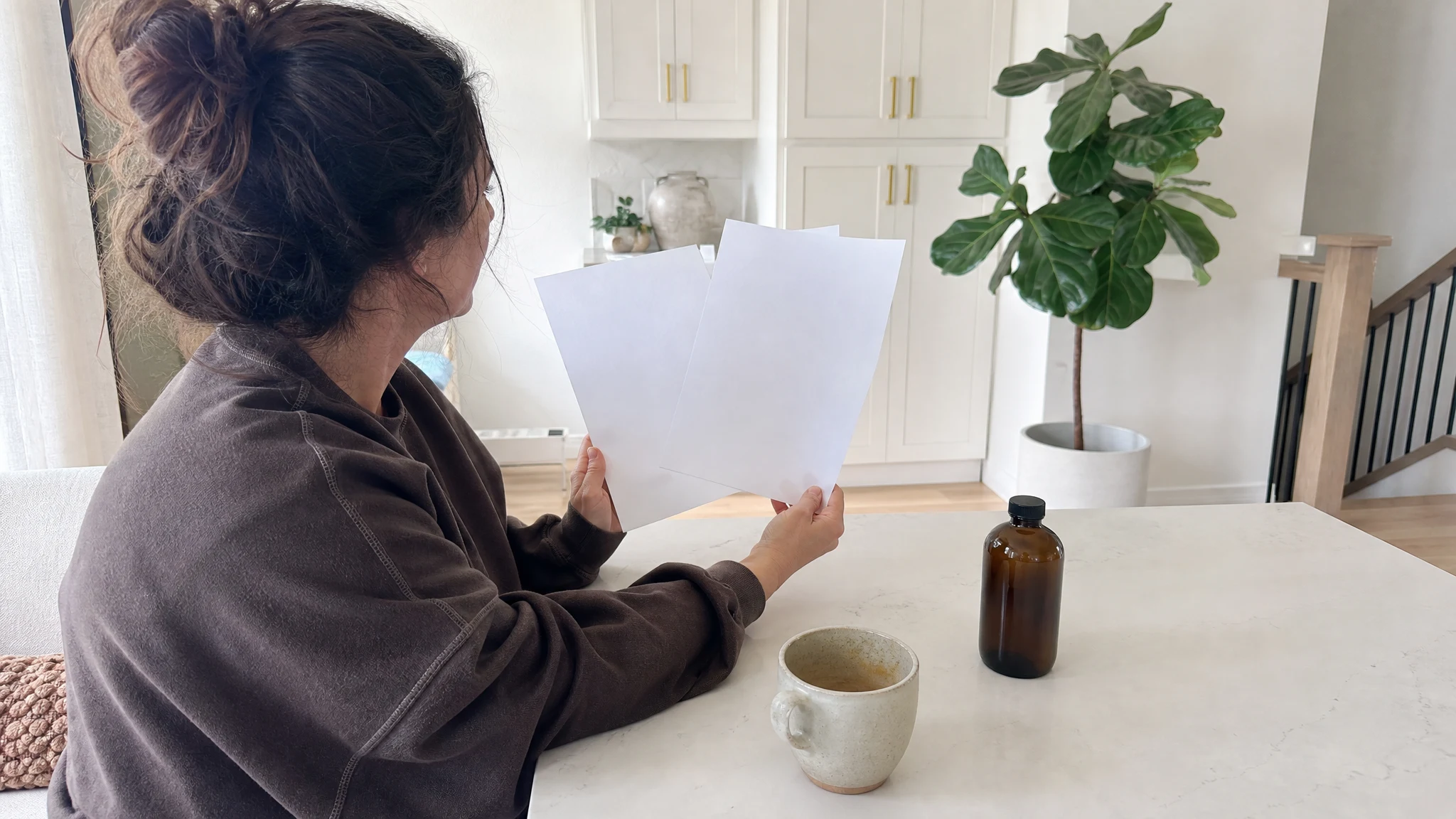
Because every base behaves a little differently, a cheap trial answers questions no article can. Pour four small cavities from the same melt: one unscented, one with your blend at the intended rate, one at half that rate, and one with fragrance at the base maximum but no eugenol. Photograph them against a white card in the same light after a day, a week and a month, and compare each to the control rather than to memory. If the eugenol cavity darkens, the eugenol is the reason, and your base maker is the person to call. Eugenol's phenol character, which Kamatou and colleagues link to discolouration in soap, makes that worth a look. Our cold process discoloration article covers a related effect.
Pouring, unmoulding and wrapping
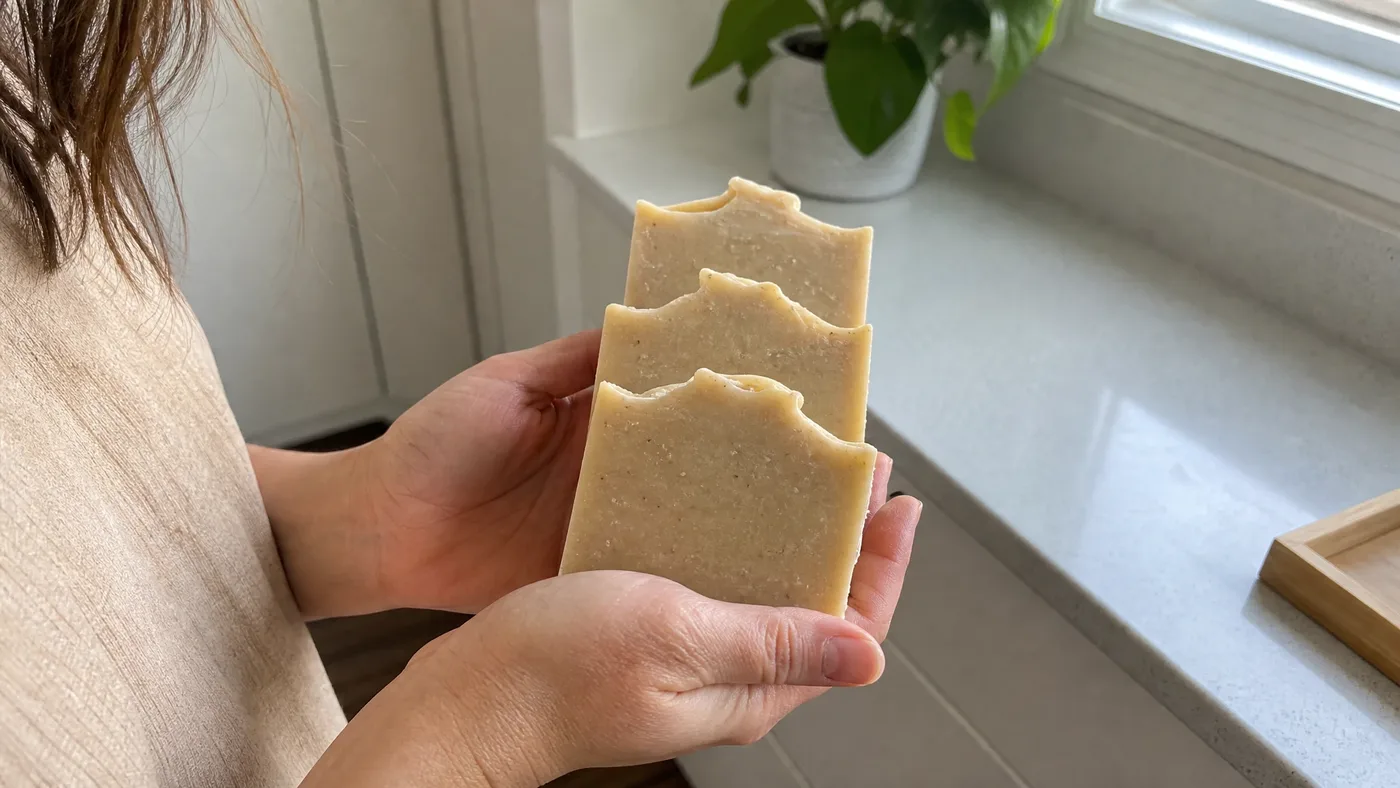
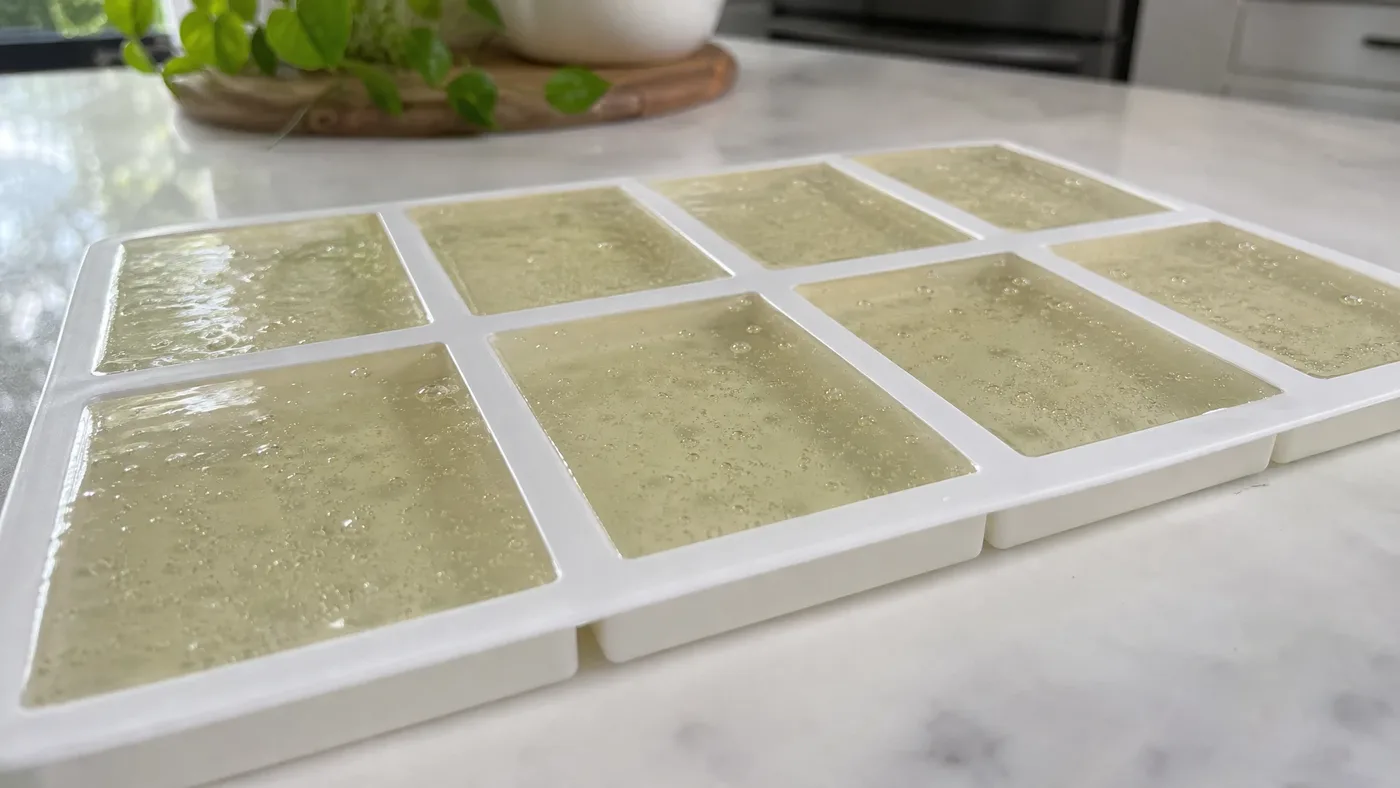
Spritzing the top of the poured soap with rubbing alcohol breaks the bubbles that rise to the surface, and leaving the mould undisturbed lets the bar set evenly. Once it is firm, pop the bars out and look at them in daylight. Melt and pour sweats in humid rooms, so wrap each bar snugly as soon as it is fully set and has cooled to room temperature. A tight wrap holds the warm spice smell in the bar rather than the room, and stops the surface from picking up moisture.
Choosing the mould
Simple shapes show off a spiced bar best. Deep detail and tiny ridges tend to trap bubbles and make unmoulding fussier, while a plain rectangle or oval lets the soap itself do the talking. If you are making your first batch, a silicone loaf mould that you cut into bars gives you a forgiving shape and plenty of surface to inspect.
What do you call the bar?
Under the FDA's soap FAQ, a product containing synthetic detergents is a cosmetic and not a soap, and a product intended for things like moisturising the skin or making the user smell nice is also a cosmetic (FDA, Frequently Asked Questions on Soap). Some melt and pour bases include synthetic detergents, so a bar made from one is likely a cosmetic, with the labelling that goes with that. Your base's ingredient list tells you. A regulatory specialist can confirm the label, and in the EU and UK eugenol also counts as a fragrance allergen that must be declared above set thresholds.
Whatever you pour, keep the lids on your fragrance bottles while the soap melts. Warm spice smells escape quickly, and a bottle left open next to a hot pitcher loses its best notes before it reaches the bar.
A note on who it suits
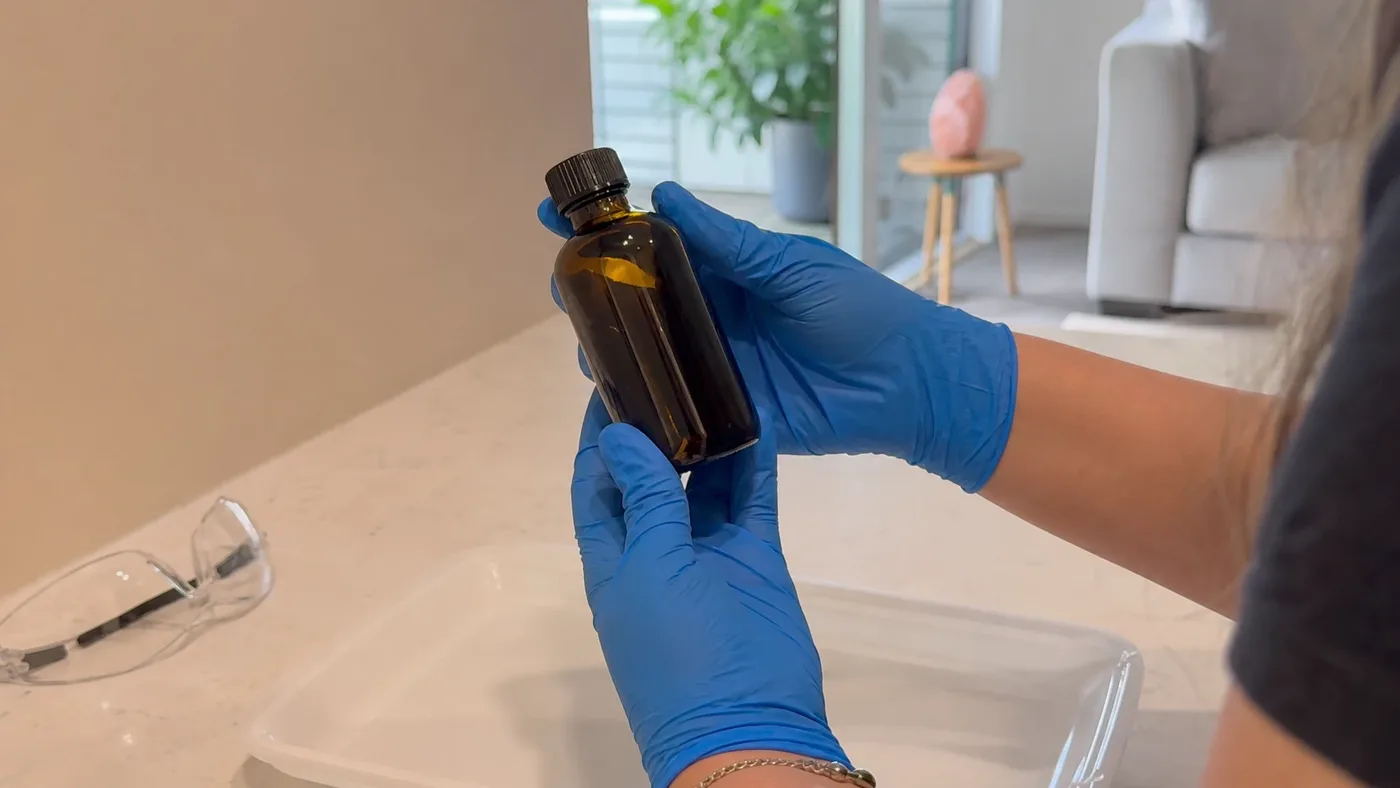
Skip eugenol in bars for children, for people with a known fragrance allergy, or for skin concerns, and ask an allergist or dermatologist. Use small amounts, wash your hands after handling the neat oil, and keep it away from eyes, children and pets.
Base sheet first, a count of your eugenol second, scent third, and a four-cavity trial before the full pour. That order saves a lot of soap.
Sources & Further Reading
- IFRA, 2023. IFRA Standards, 51st Amendment, eugenol entry. ifra-standards-51st-amendment.pdf
- National Library of Medicine. PubChem, eugenol, CID 3314. pubchem.ncbi.nlm.nih.gov/compound/Eugenol
- Kamatou GP, Vermaak I, Viljoen AM, 2012. Eugenol: from the remote Maluku Islands to the international market place. Molecules 17(6):6953-6981. pmc.ncbi.nlm.nih.gov/articles/PMC6268661
- US FDA. Frequently Asked Questions on Soap. fda.gov