Eugenol Oil Price Guide: What Purity Grades Really Cost
If you've spent any time sourcing eugenol oil, you already know the price range is surprisingly wide. A quick search turns up figures anywhere from a few dollars per ounce to hundreds of dollars per kilogram, sometimes for products that look nearly identical on the label. The difference almost always comes down to purity grade, sourcing origin, and whether the supplier actually knows what they're selling.
This guide breaks down what eugenol oil truly costs at each quality tier, what those price differences actually reflect, and where the red flags tend to hide. Whether you're formulating a perfume accord, crafting artisan candles, or blending a cosmetic product, understanding eugenol grades will save you money and frustration.
What Is Eugenol Oil, and Why Does Purity Matter?
Eugenol is the primary aromatic compound found in clove bud, clove leaf, and clove stem essential oils. In its refined, isolated form, it appears as a pale yellow to nearly colorless liquid with that unmistakable warm, spicy, slightly woody scent that perfumers describe as the "heart" of clove.
Purity matters for several reasons. In cosmetic formulations, lower-purity eugenol may carry residual compounds that affect color stability, scent longevity, and skin compatibility. For candle and soap makers, impurities can interfere with scent throw and discoloration. And in fine fragrance work, even a small percentage of off-notes changes the character of a blend entirely.
The eugenol oil cost you pay is, in most cases, a direct reflection of how thoroughly the oil has been refined and tested. Cutting corners on price usually means cutting corners on processing.
For a deeper look at how to evaluate a supplier's documentation and sourcing claims, see our complete quality and sourcing guide for eugenol oil.
Eugenol Grades Explained
The industry doesn't use a single universal grading system, which makes comparison shopping genuinely confusing. Here's how the tiers shake out in practice.
Technical Grade (80 to 88% Purity)
This is the entry level of refined eugenol. Technical grade is processed enough to remove the bulk of the raw clove oil's other constituents, but it still carries noticeable color (often a medium amber) and a less clean aromatic profile. You'll detect underlying green, woody, or slightly musty notes alongside the warm clove character.
Technical grade is primarily used in industrial fragrance applications and is rarely appropriate for leave-on cosmetic products.
Cosmetic or Refined Grade (88 to 99% Purity)
This is the workhorse of the aromatic and cosmetic industry. Refined eugenol in this range is lighter in color, cleaner in scent, and suitable for a wide variety of applications including soap, candles, perfume accords, and rinse-off personal care products. Most reputable retail and wholesale suppliers sell within this tier.
Within this range, there's still meaningful variation. An 88% product and a 99% product are not interchangeable, and the price reflects that gap.
High-Purity or Pharma-Adjacent Grade (99% and above)
This designation refers to eugenol that has been refined to the highest commercially available standard, typically verified by gas chromatography (GC) purity testing with a certificate of analysis attached. The scent is notably cleaner, the color is very pale or water-white, and the consistency is more predictable batch to batch.
Perfumers working with fine fragrance and formulators who need precise, repeatable results typically source at this tier. The eugenol oil price premium here is real, but so is the quality floor.
Eugenol Oil Price by Grade: What to Expect
| Grade | Purity Range | Typical Retail Price (per 100g) | Typical Wholesale Price (per kg) | Best For |
|---|---|---|---|---|
| Technical | 80 to 88% | $8 to $15 | $35 to $60 | Industrial fragrance, research |
| Refined / Cosmetic | 88 to 98% | $15 to $35 | $60 to $120 | Candles, soap, rinse-off cosmetics |
| High-Purity | 99%+ | $35 to $70 | $110 to $200+ | Fine fragrance, leave-on cosmetics |
Prices shift with global clove harvests, shipping costs, and currency fluctuations in Indonesia and Madagascar (the two dominant production regions). Budget accordingly if you're planning a large buy, and check supplier pricing across at least two quarters before committing to a long-term source.
Top Picks at Each Price Point
Budget Tier: $10 to $20 per 100g
At this price, you're working with technical to low refined grade material. It's acceptable for candle making where deep color in the finished wax isn't a concern, and for soap where the eugenol's scent will anchor a blend without needing to be pristine on its own.
Look for suppliers who at least provide a basic specification sheet, even if a full GC report isn't available. Avoid any seller who cannot tell you the origin country of the raw clove material.
Mid-Tier: $20 to $45 per 100g
This is the sweet spot for most small-batch makers. A solid refined grade eugenol in this range, from a supplier who provides a certificate of analysis, covers the majority of cosmetic and aromatic applications confidently.
At this price, you should expect: documented purity above 90%, stated country of origin, a clear refractive index and specific gravity spec, and a supplier who answers technical questions in writing. If they can't do that, move on.
Premium Tier: $50 and above per 100g
High-purity eugenol from verified distillers with full traceability documentation. This tier is appropriate for fine fragrance formulators, cosmetic product developers who need consistent, reproducible results, and artisan perfumers who are selling finished goods where ingredient quality is a brand value.
At this price, a full GC-MS report is non-negotiable. You're paying for precision, and precision requires data.
Key Features to Compare When Shopping

- Certificate of Analysis (CoA): The single most important document. It should include purity percentage, specific gravity, refractive index, and ideally GC chromatography data. No CoA means no accountability.
- Stated Purity Percentage: Look for this on the product listing itself, not buried in a downloadable PDF that may not be batch-specific.
- Country of Origin: Indonesian clove leaf eugenol and Malagasy clove bud eugenol have slightly different aromatic profiles. Know what you're getting.
- Color Description: Suppliers should state whether the product is colorless, pale yellow, or amber. Color tells you a lot about refinement level without needing any other data.
- Batch Traceability: Can the supplier match the CoA to the specific batch you're receiving? Reputable suppliers can.
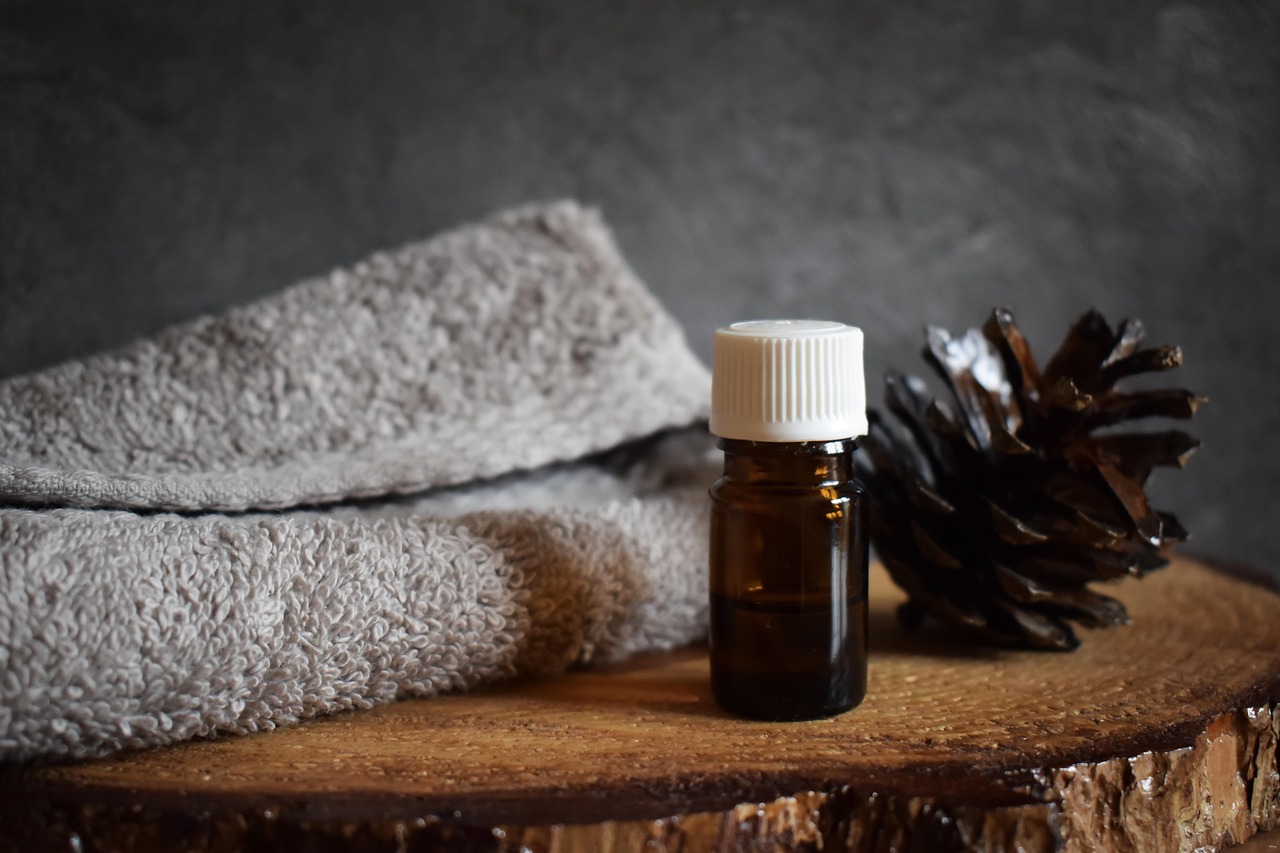
- Packaging: Eugenol is sensitive to light and air. It should arrive in dark glass or food-grade aluminum with a proper seal. Plastic containers are a warning sign for premium-priced material.
Red Flags to Avoid
The eugenol oil market has its share of questionable sellers, particularly on general-purpose e-commerce platforms. Here's what should make you pause before purchasing.
- No purity listed anywhere. If the listing says "100% pure eugenol oil" without providing a numerical purity percentage backed by documentation, that phrase is marketing language, not a specification.
- Price far below market. If refined-grade eugenol is selling for $5 per 100g when the going rate is $20 to $30, something is wrong. It's either mislabeled, heavily adulterated with synthetic fillers, or simply clove leaf oil being sold under the eugenol name.
- No country of origin. Legitimate suppliers know where their raw material comes from. Vague sourcing language like "sourced globally" or "premium origin" is a deflection.
- Generic CoA shared across all products. Some sellers use a single CoA template for their entire catalog. Check whether the document is batch-specific and dated within the last 18 months.
- Strong off-notes in the scent. Pure, refined eugenol should smell like a clean, warm clove note. If you detect sulfurous, fishy, or aggressively bitter notes, the refinement is inadequate regardless of what the label claims.
- No return or sample policy. Quality suppliers offer sample sizes, because confident sellers know their product holds up to inspection.
Where to Buy Eugenol Oil
Specialty Aromatic Chemical Suppliers
Companies that specialize in isolated aromatic compounds and fragrance ingredients are the most reliable source for refined and high-purity eugenol. They typically carry multiple grades, provide full documentation, and have knowledgeable staff who understand formulation needs. Expect professional minimums, often starting at 100g to 500g for retail orders.
Essential Oil Wholesalers with GC Testing
Some essential oil wholesalers have expanded into isolated compounds and carry eugenol as part of a broader clove product line. Look for wholesalers who publish their GC testing methodology and update CoAs with each new batch.
Direct from Distillers or Refiners
For high-volume buyers, going direct to a refinery in Indonesia or Madagascar can dramatically reduce the eugenol oil cost per kilogram. This route requires more due diligence on your end, including verifying regulatory compliance for importing aromatic chemicals. Our bulk buying guide for eugenol oil covers this process in detail.
What to Avoid: General Retail Platforms
Large general-purpose marketplaces can be useful for sampling small quantities from suppliers who also sell through more professional channels. They are not a reliable primary source. Inconsistent quality control, mislabeled grades, and resellers with no direct knowledge of the supply chain are common.
A Note for Candle and Soap Makers
If you're sourcing eugenol primarily to replace or compare with synthetic clove fragrance oil, purity grade becomes a slightly different conversation. You're optimizing for scent performance in a specific medium (soy wax, beeswax, cold process soap) rather than cosmetic elegance. A solid 90 to 95% refined grade will perform beautifully in most candle and soap applications, and it keeps your eugenol oil cost reasonable at production scale.
Curious about how eugenol oil stacks up against fragrance oil alternatives in wax and soap bases? We've covered that comparison directly in our article on eugenol oil versus clove fragrance oil for candle makers.
Final Buying Checklist
- Confirm the purity percentage is documented, not just implied.
- Request or download the batch-specific certificate of analysis before ordering.
- Verify the country of origin for the raw clove material.
- Check that pricing aligns with the grade being sold.
- Order a sample before committing to volume, if the supplier allows it.
- Confirm packaging is dark glass or aluminum for anything above technical grade.
- Match the grade to your application: candles and soap can work with refined grade; fine fragrance and leave-on cosmetics warrant high-purity material.
Eugenol oil price is ultimately a story about refinement and accountability. The grades are real, the differences are meaningful, and the documentation exists to back them up when a supplier is worth their salt. Spend a little time verifying before you buy, and the oil you receive will be exactly what your formulation needs.